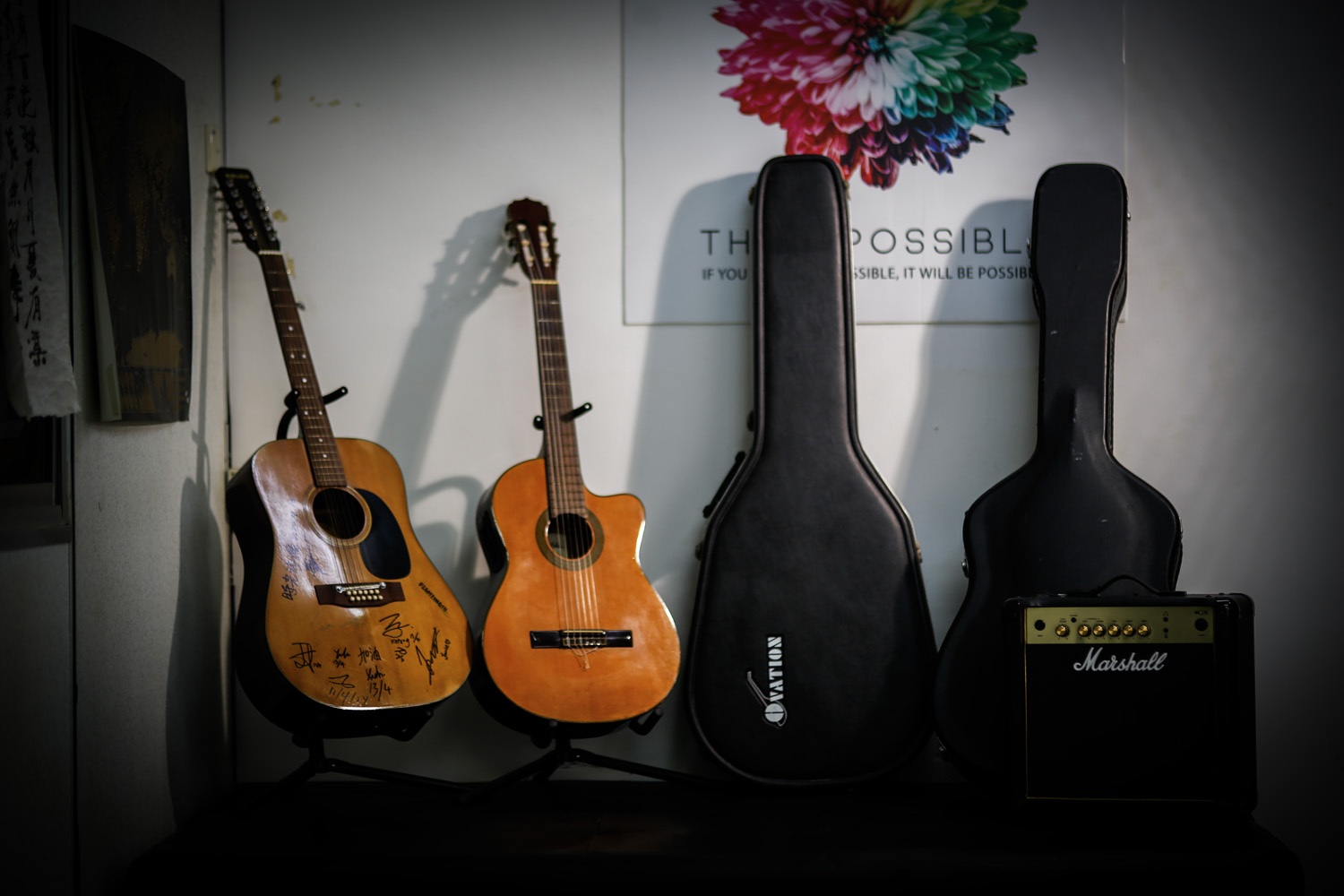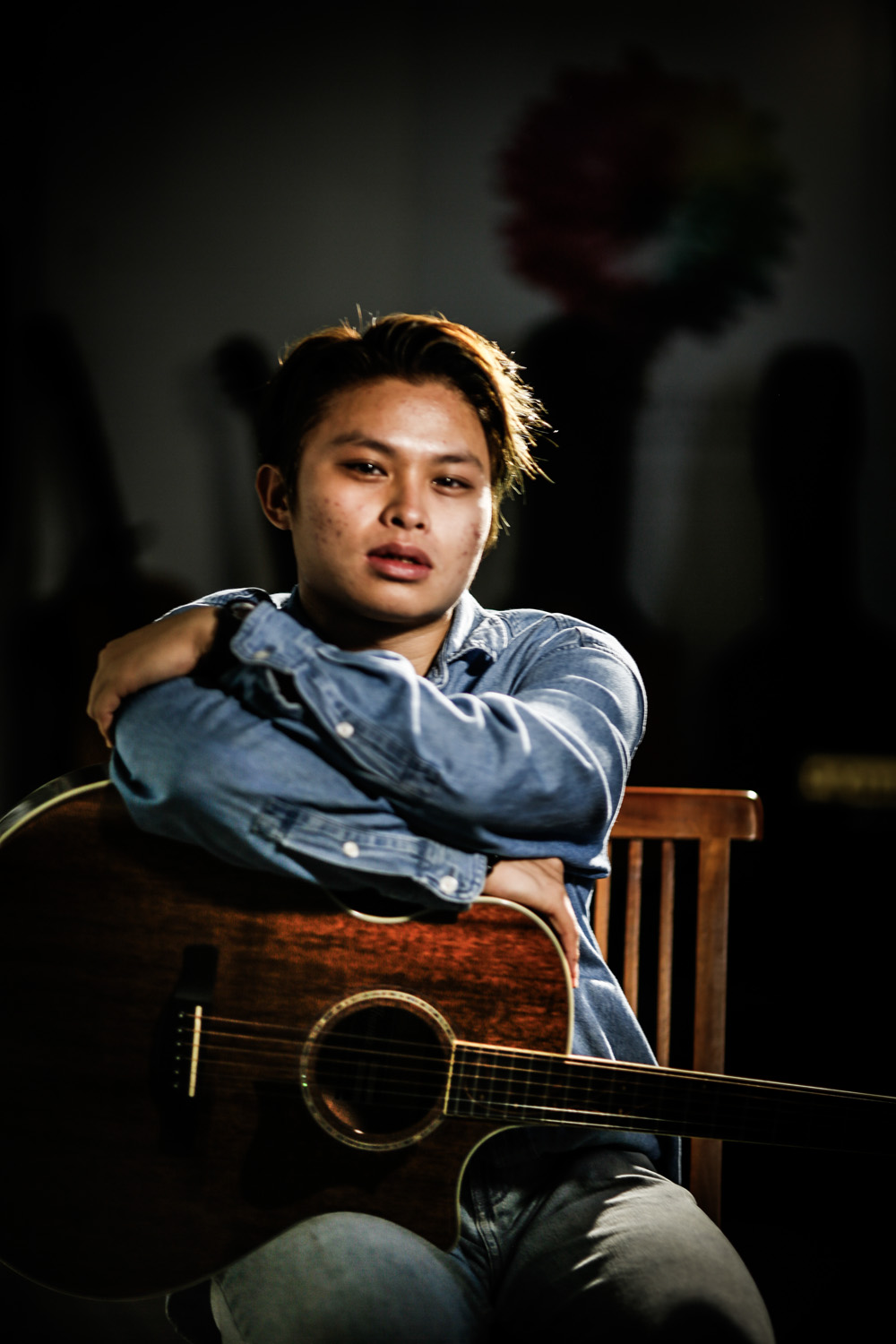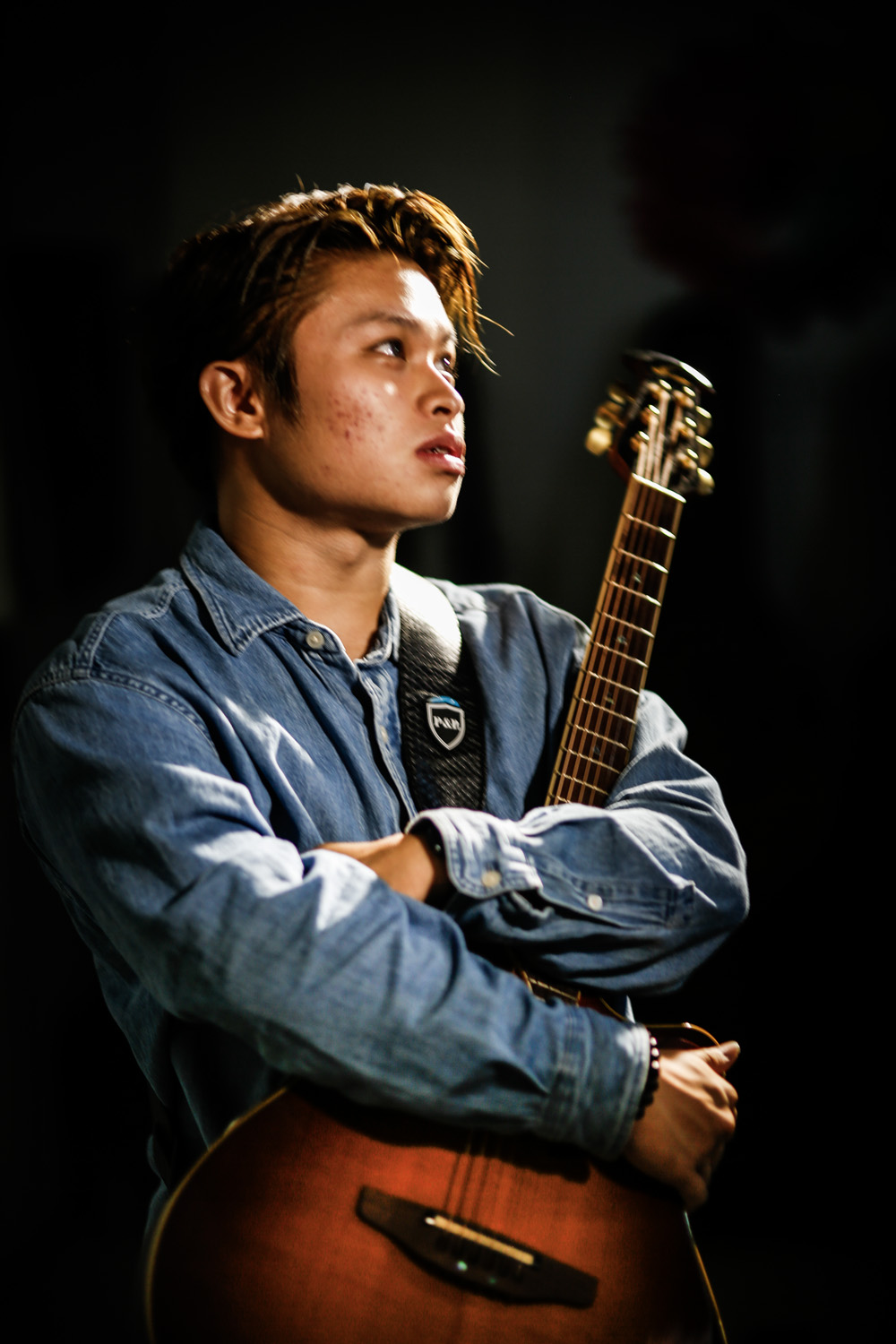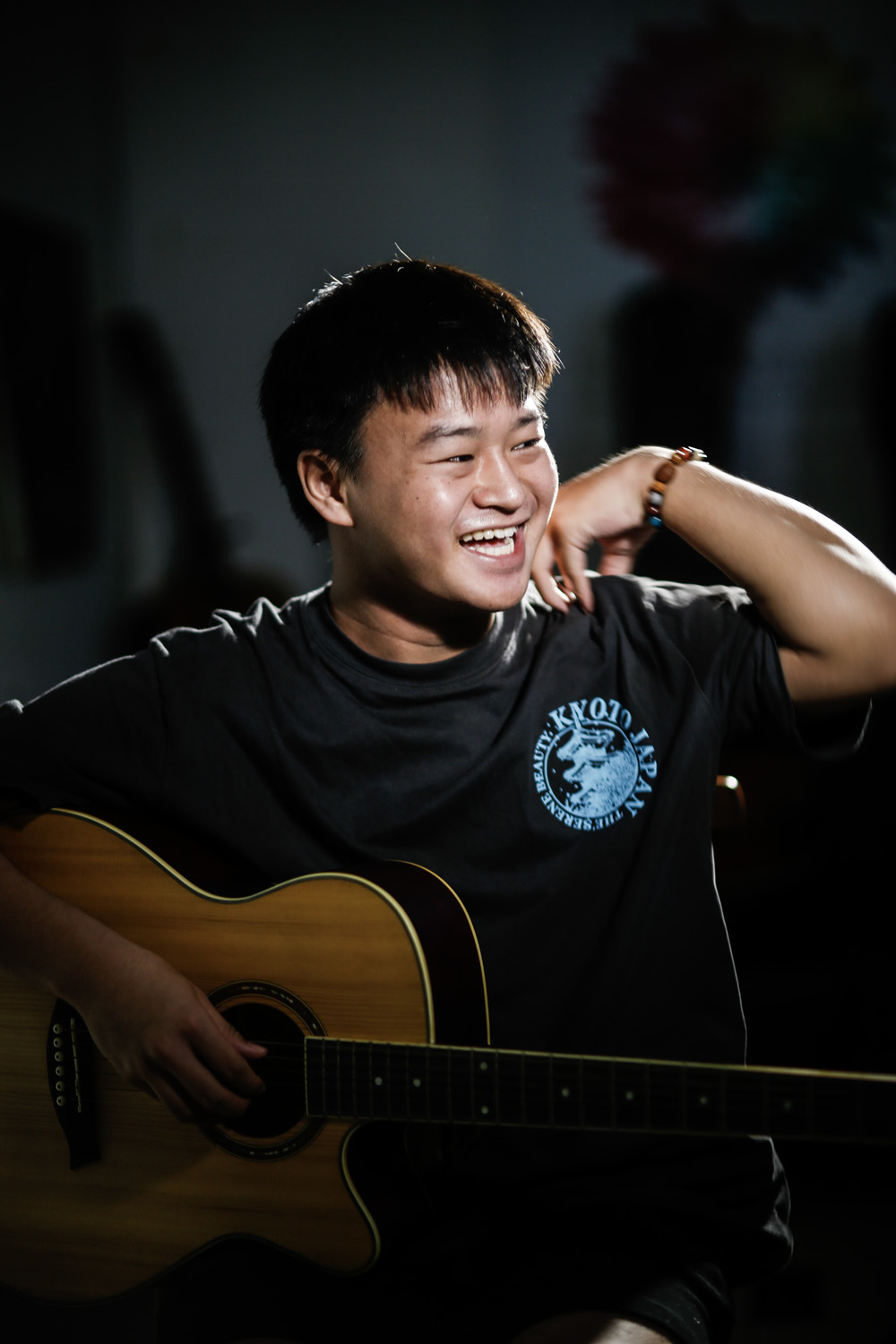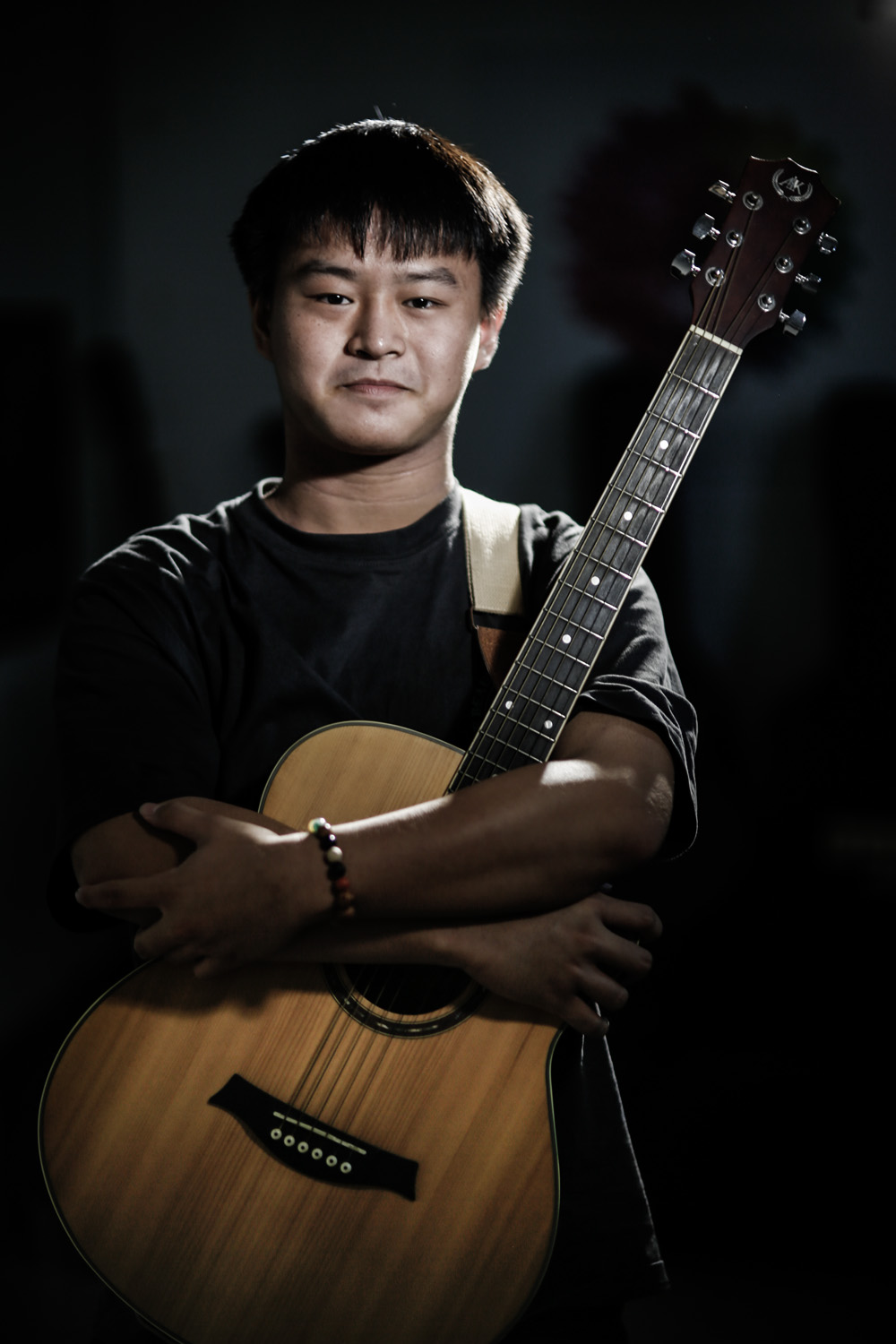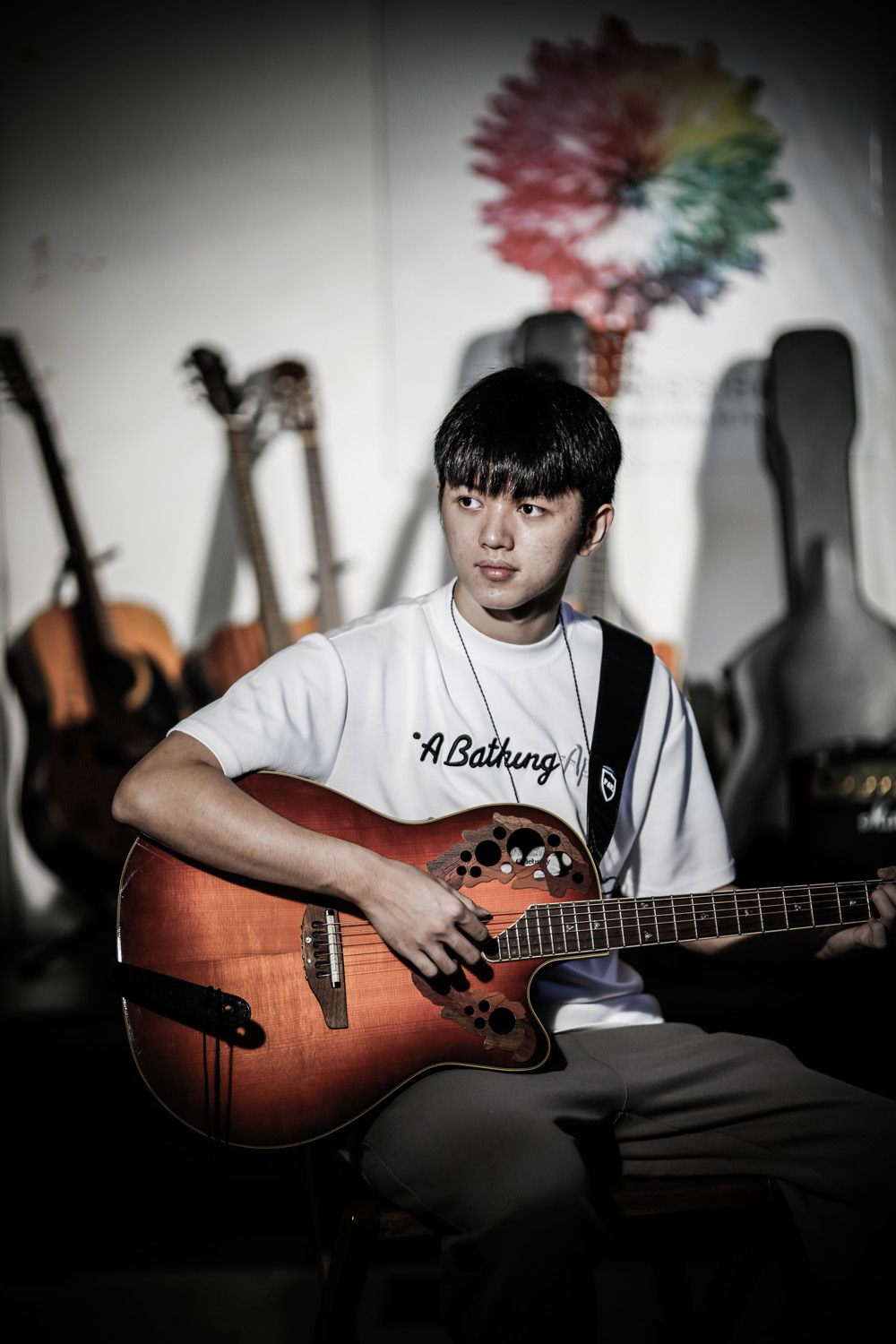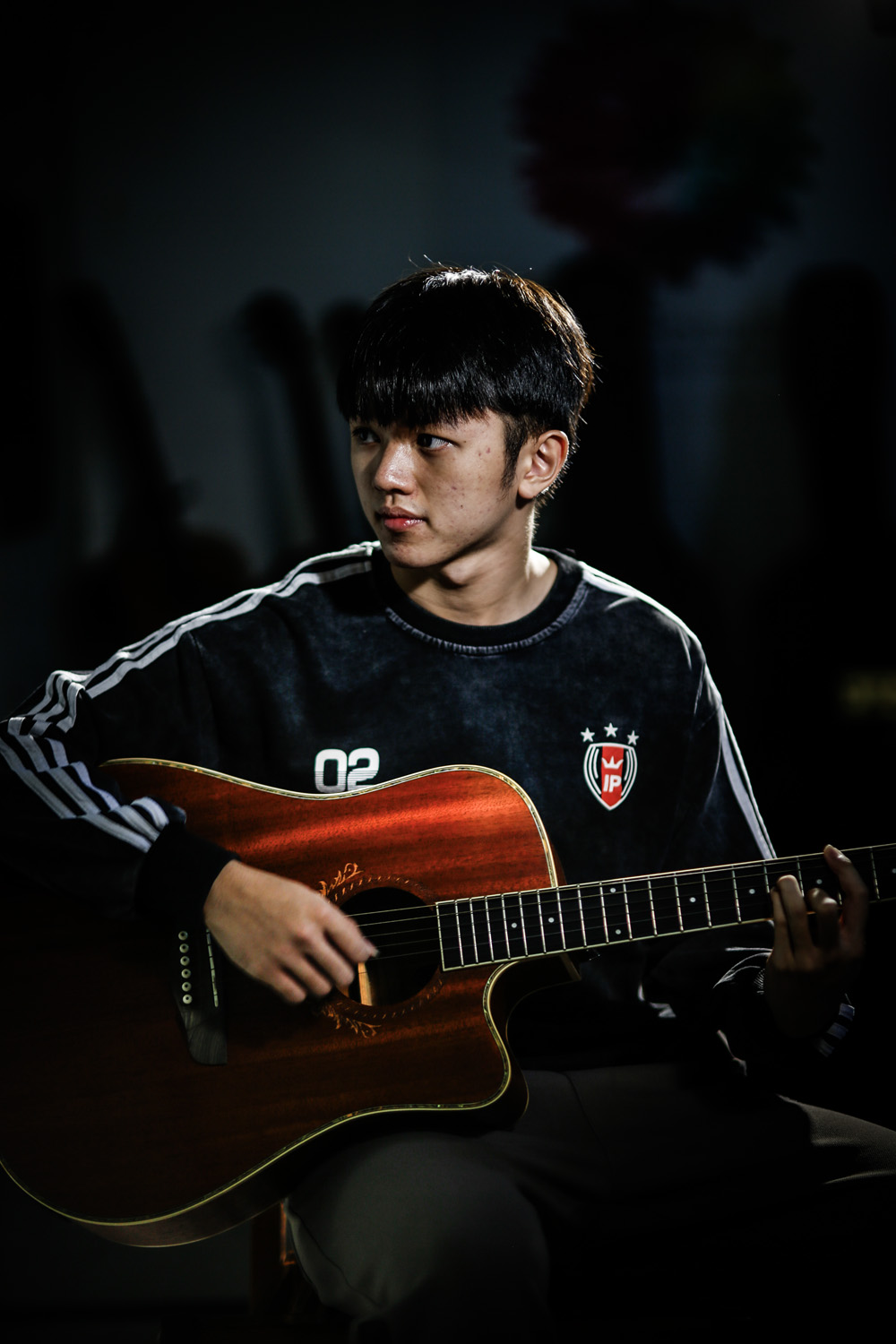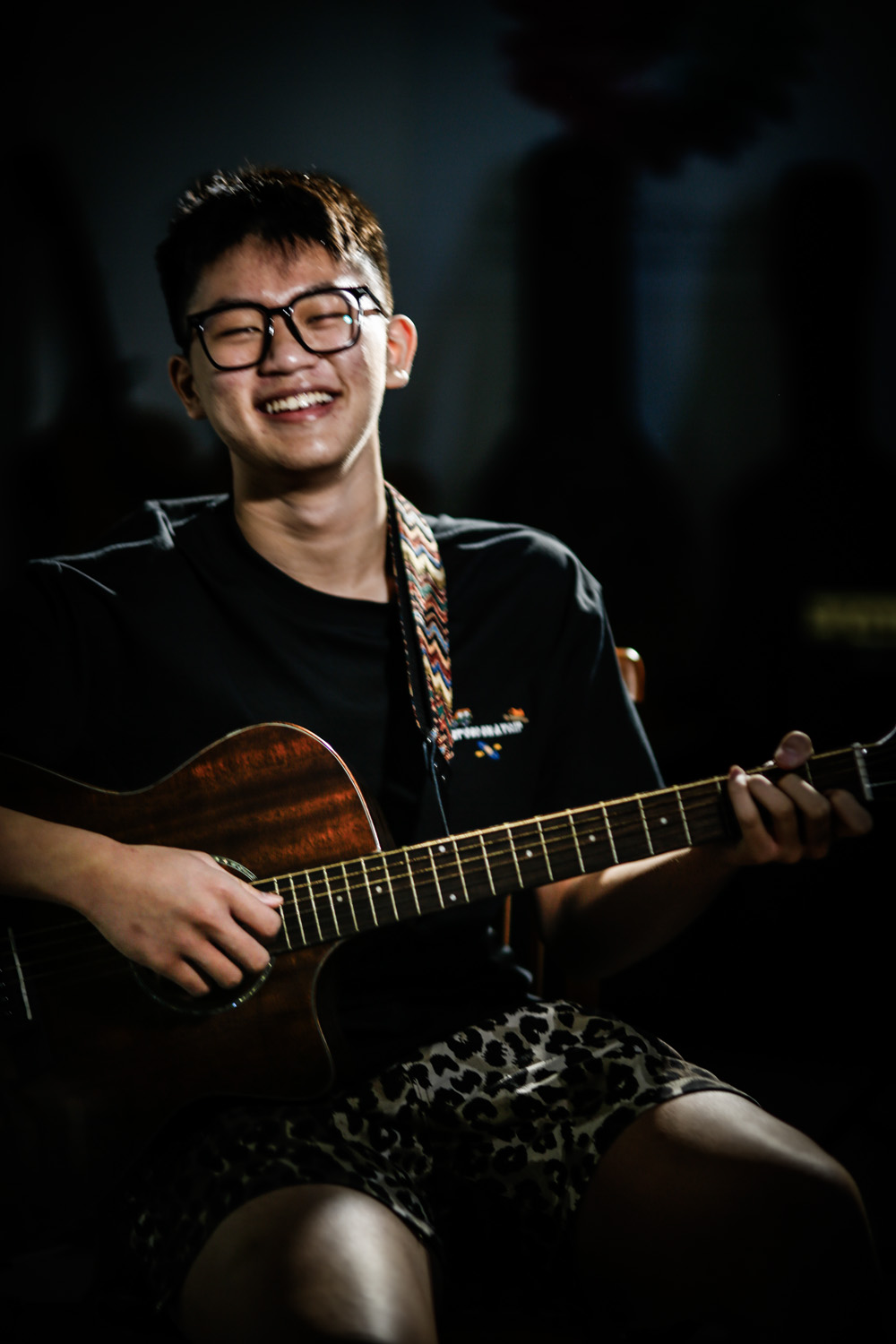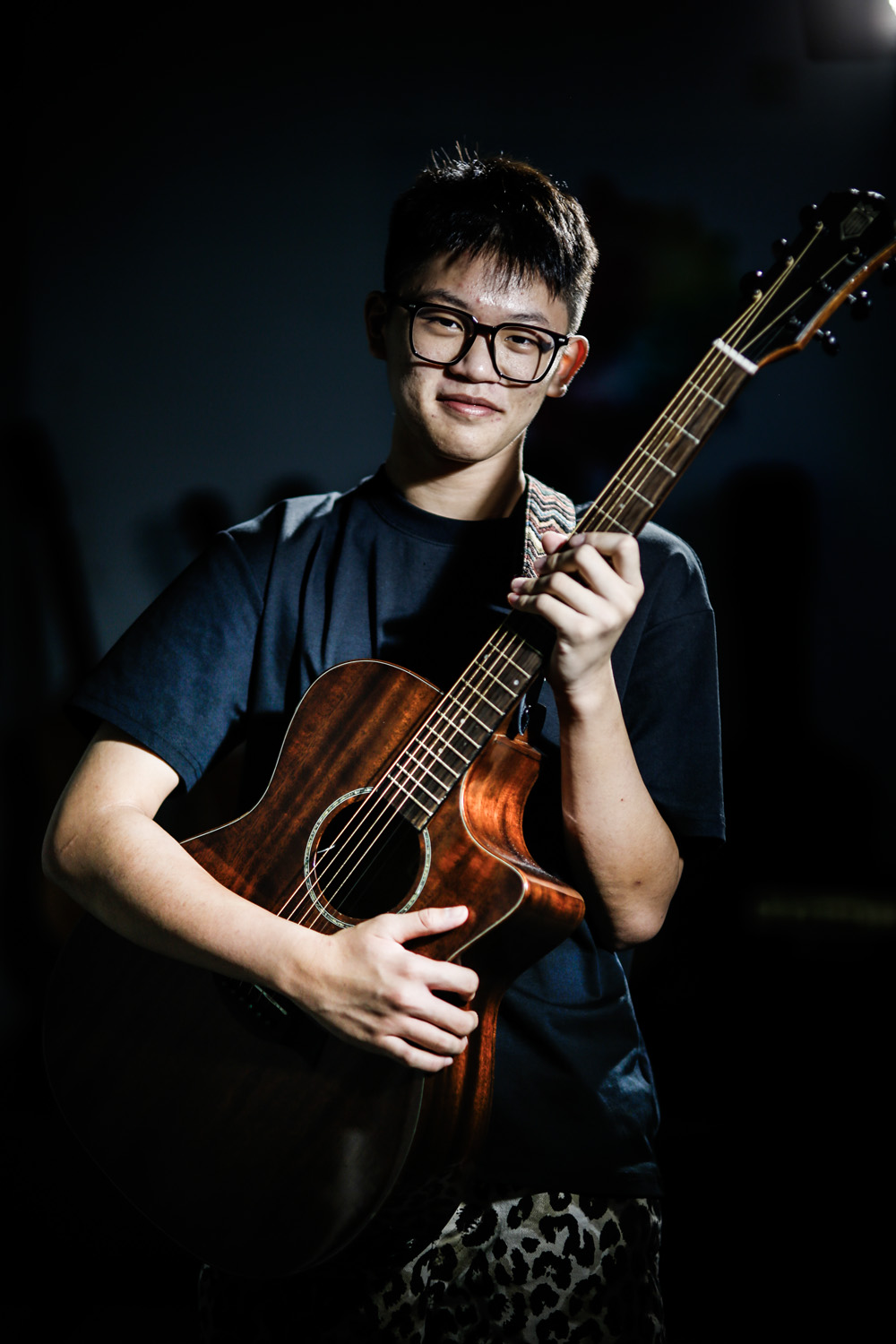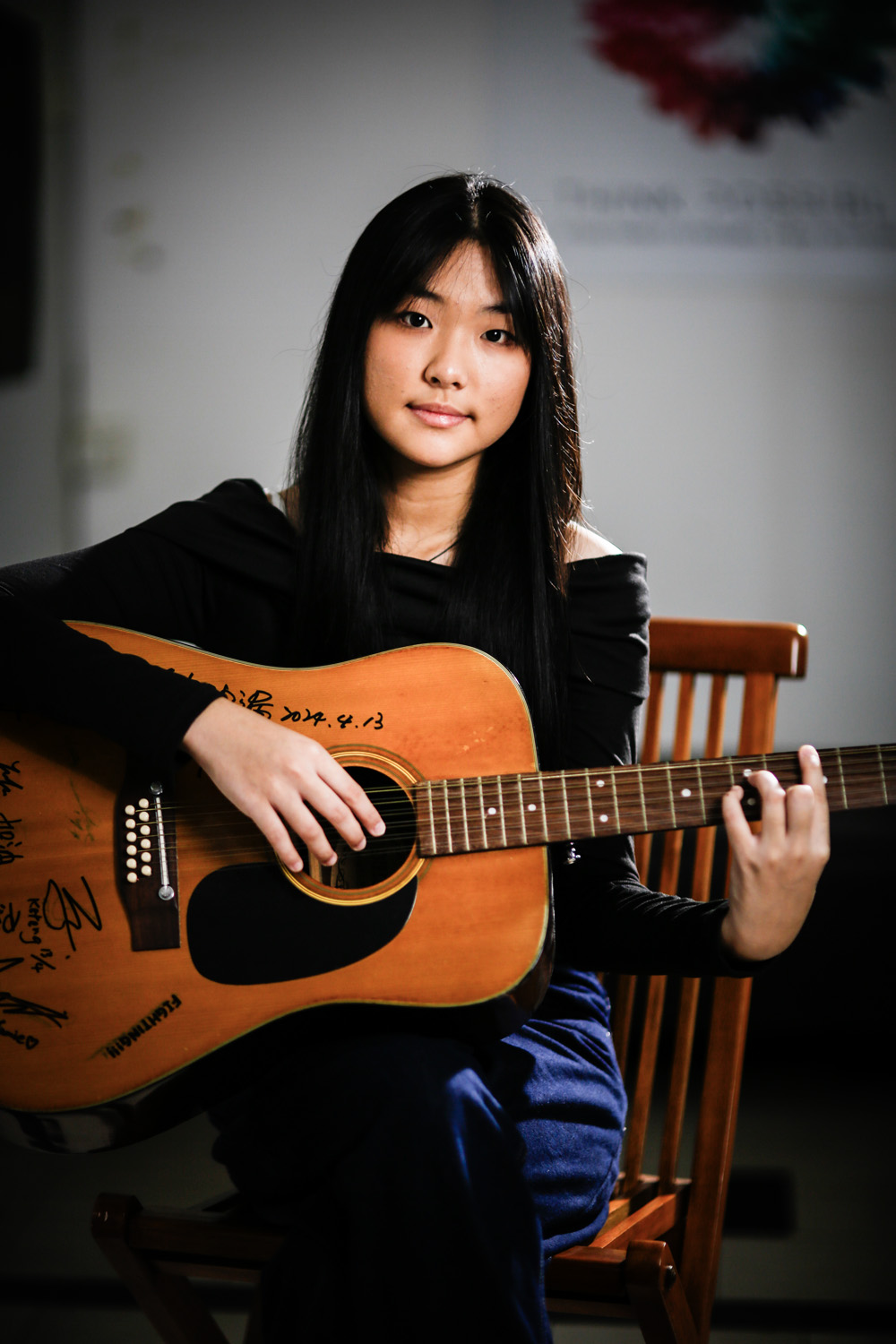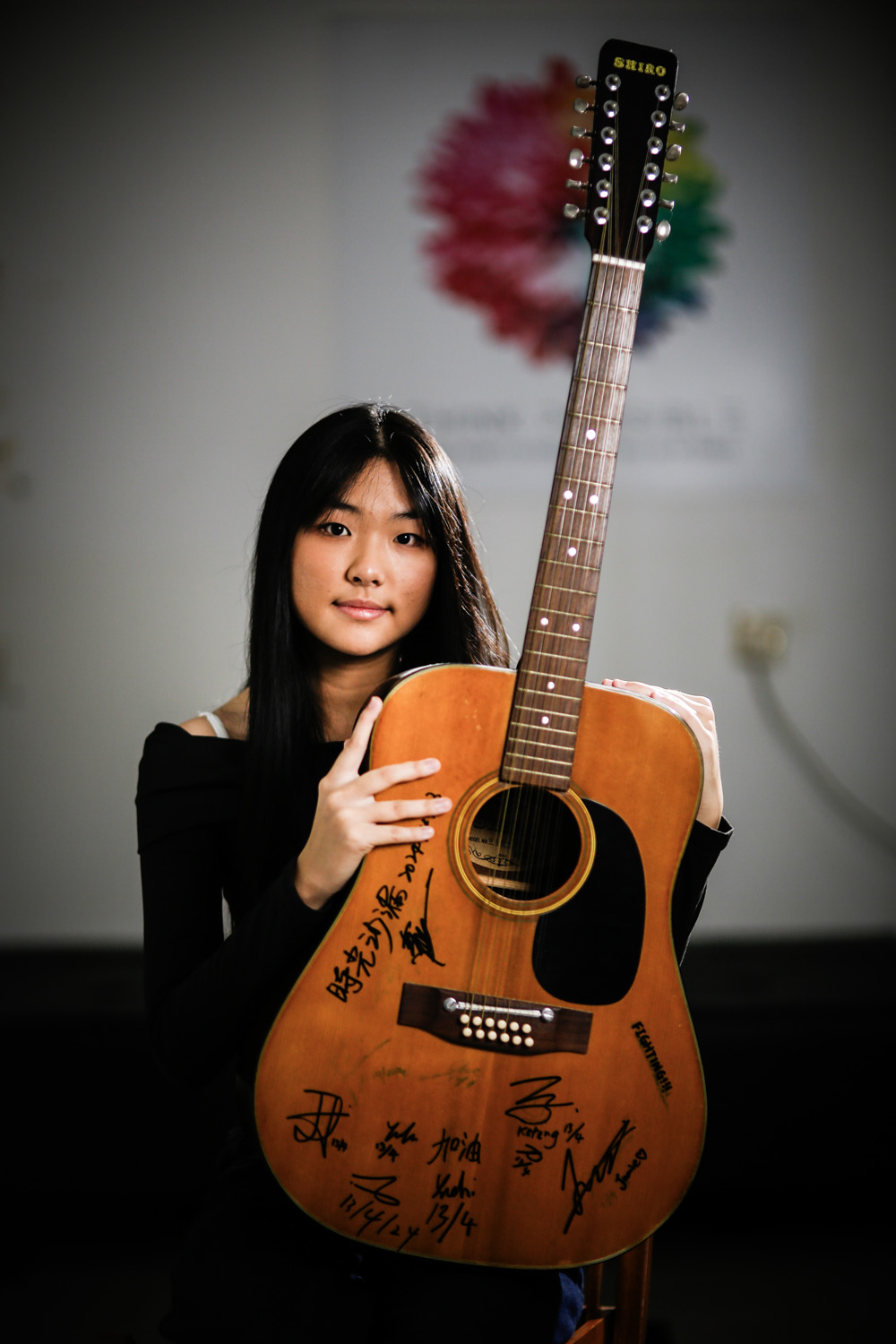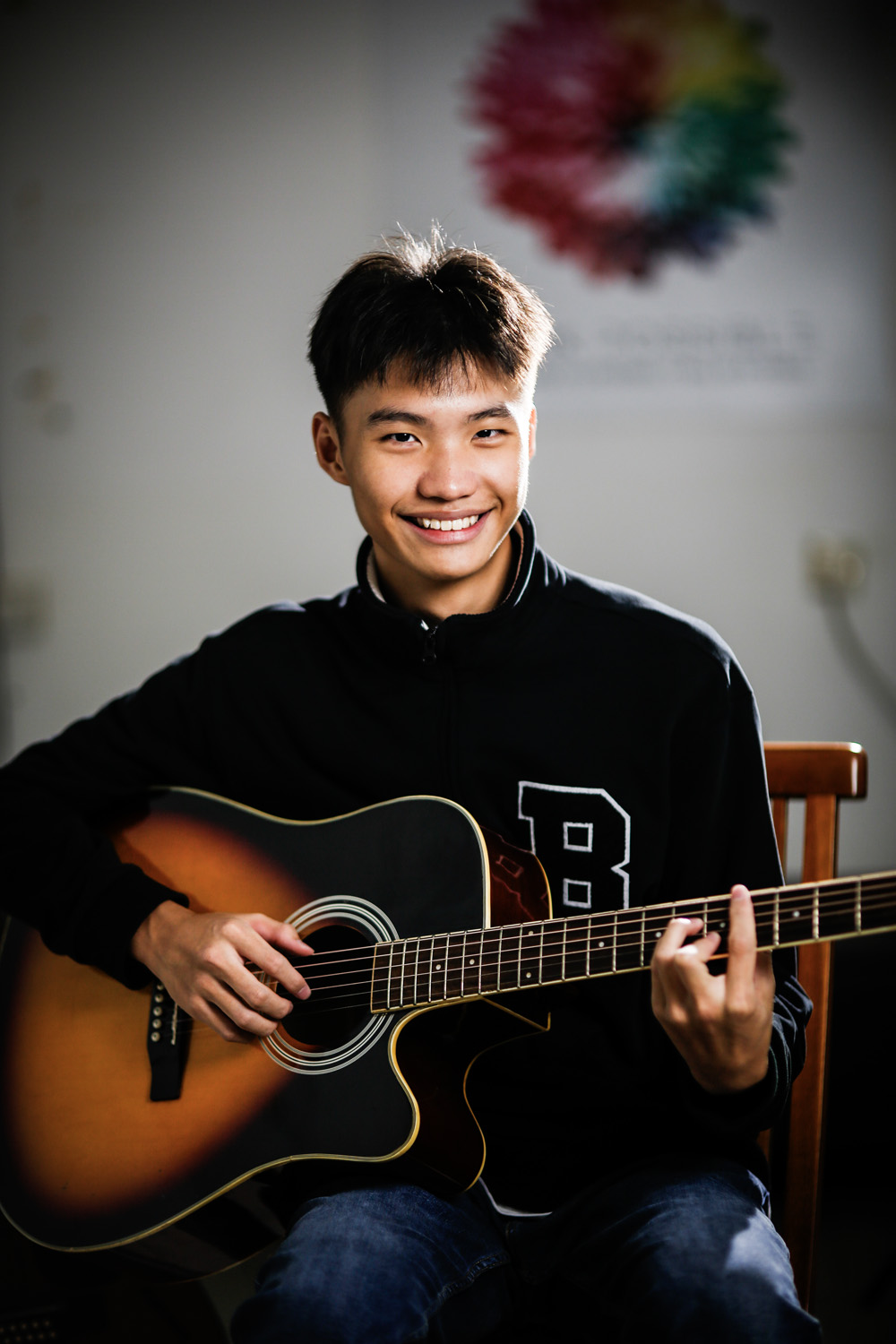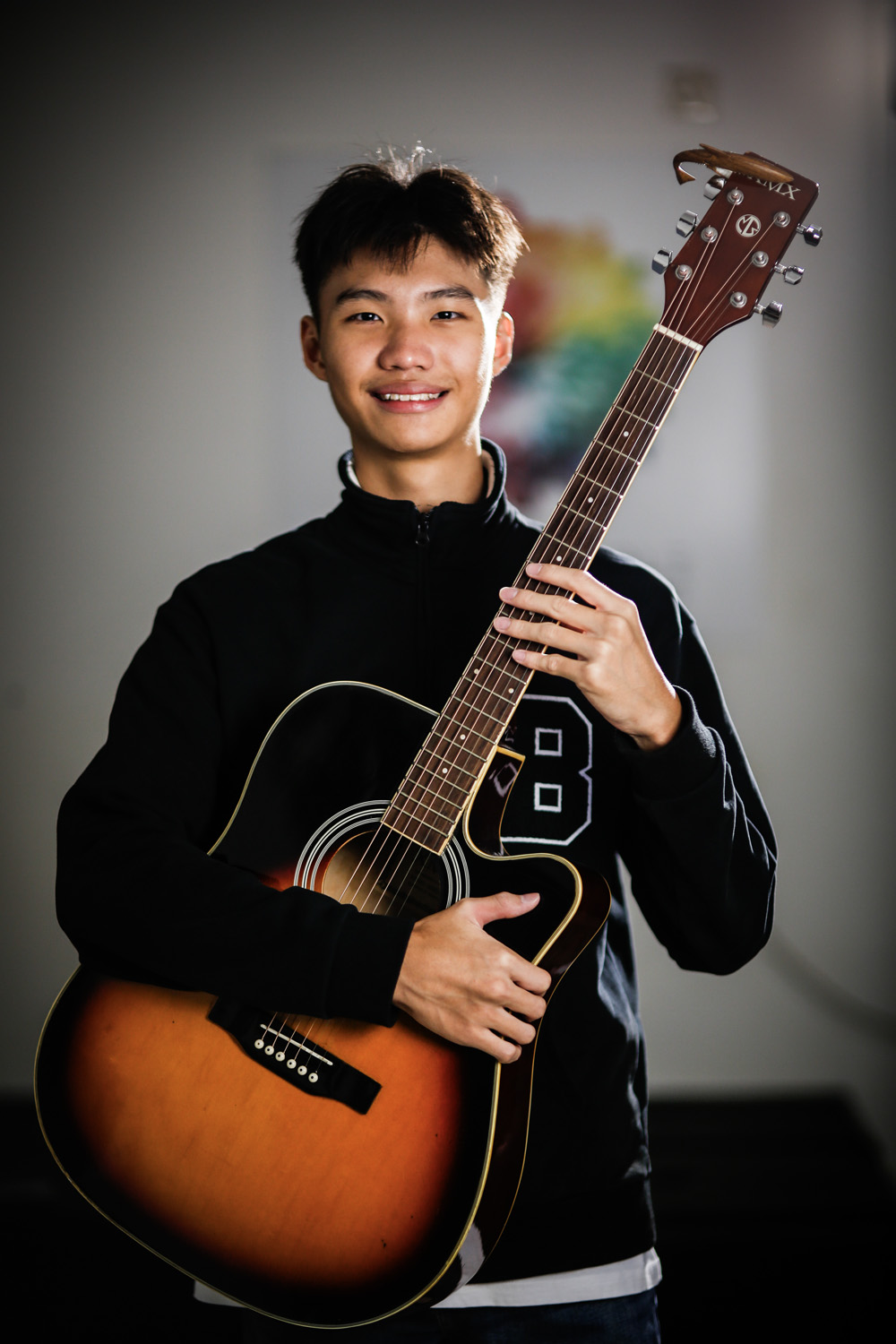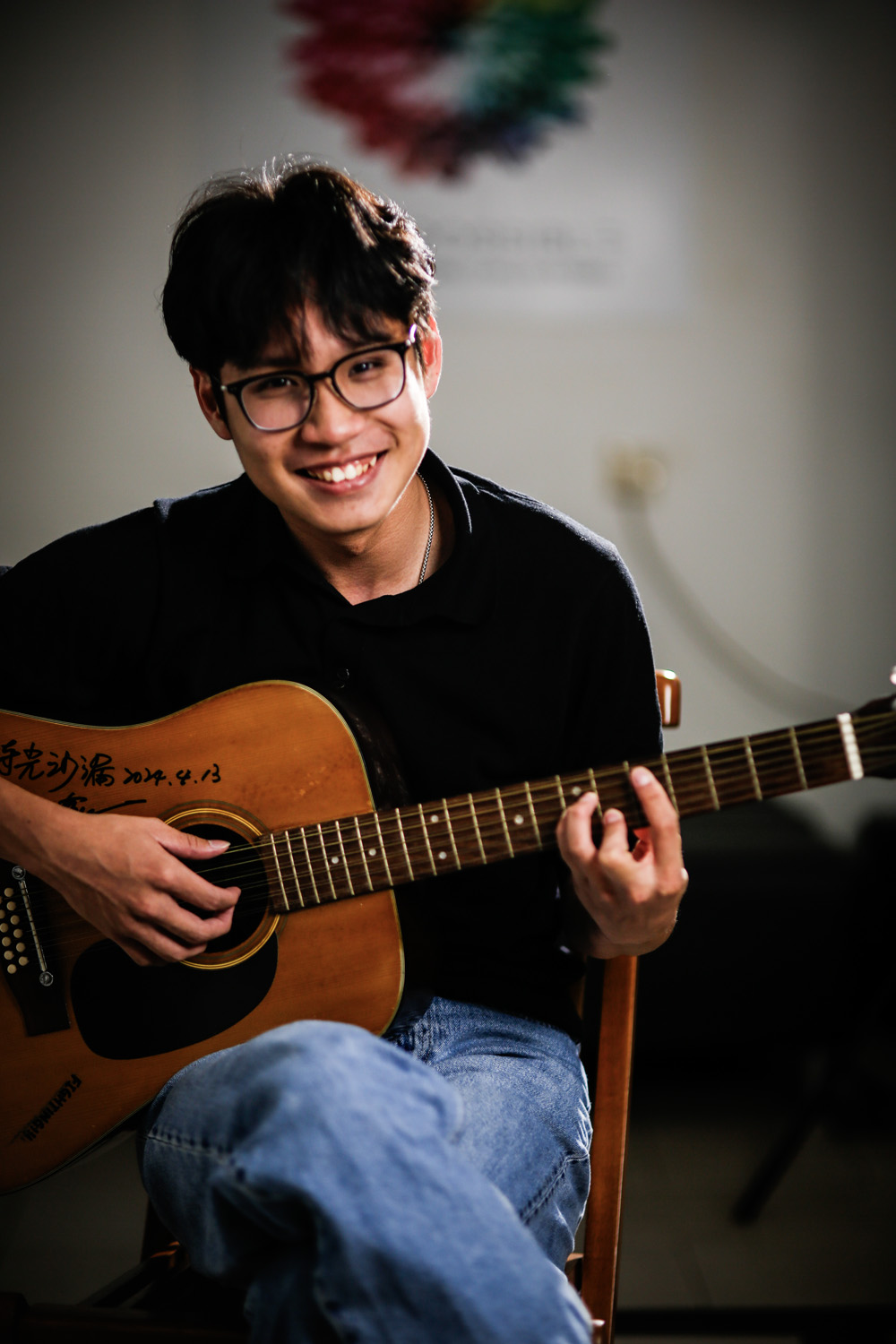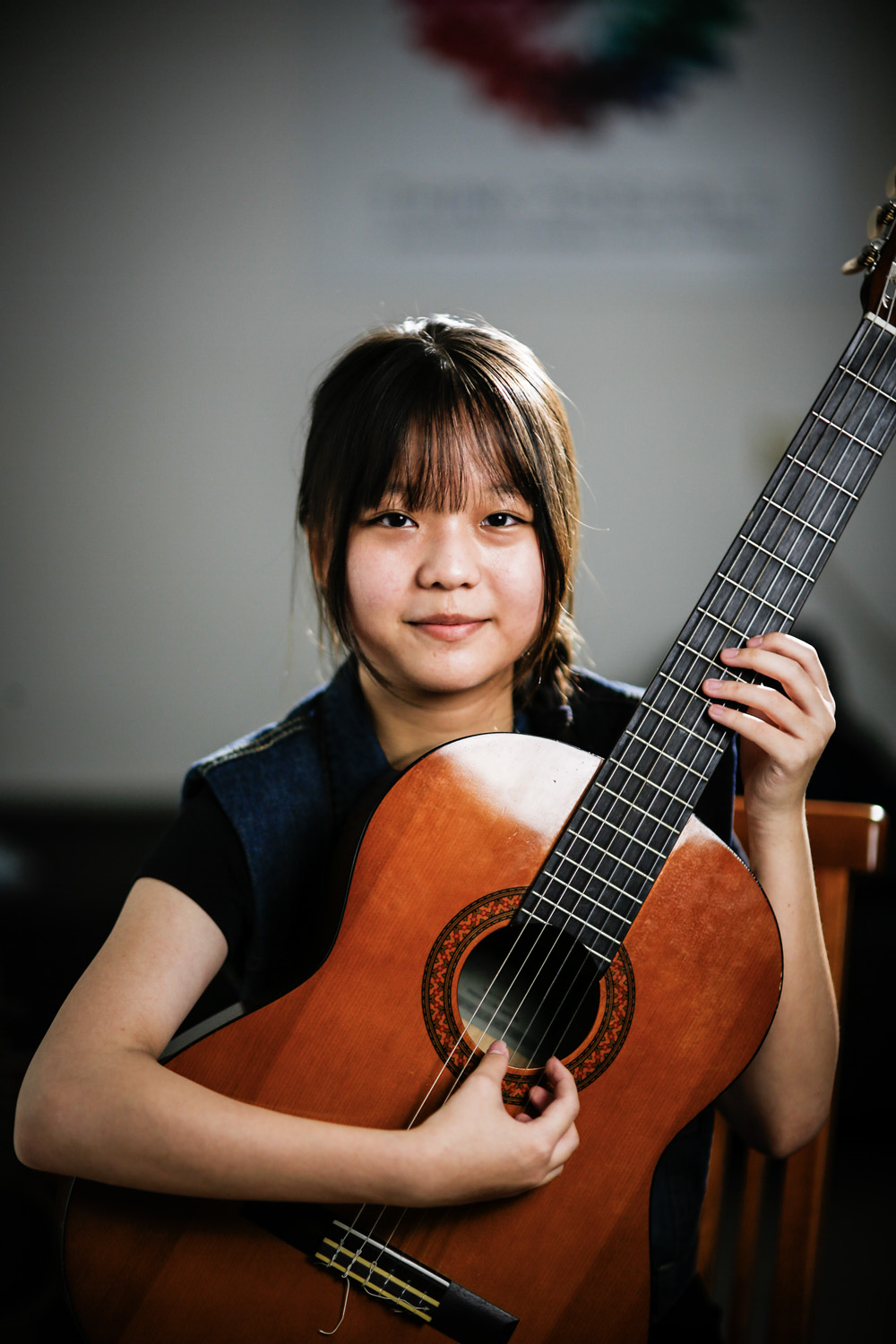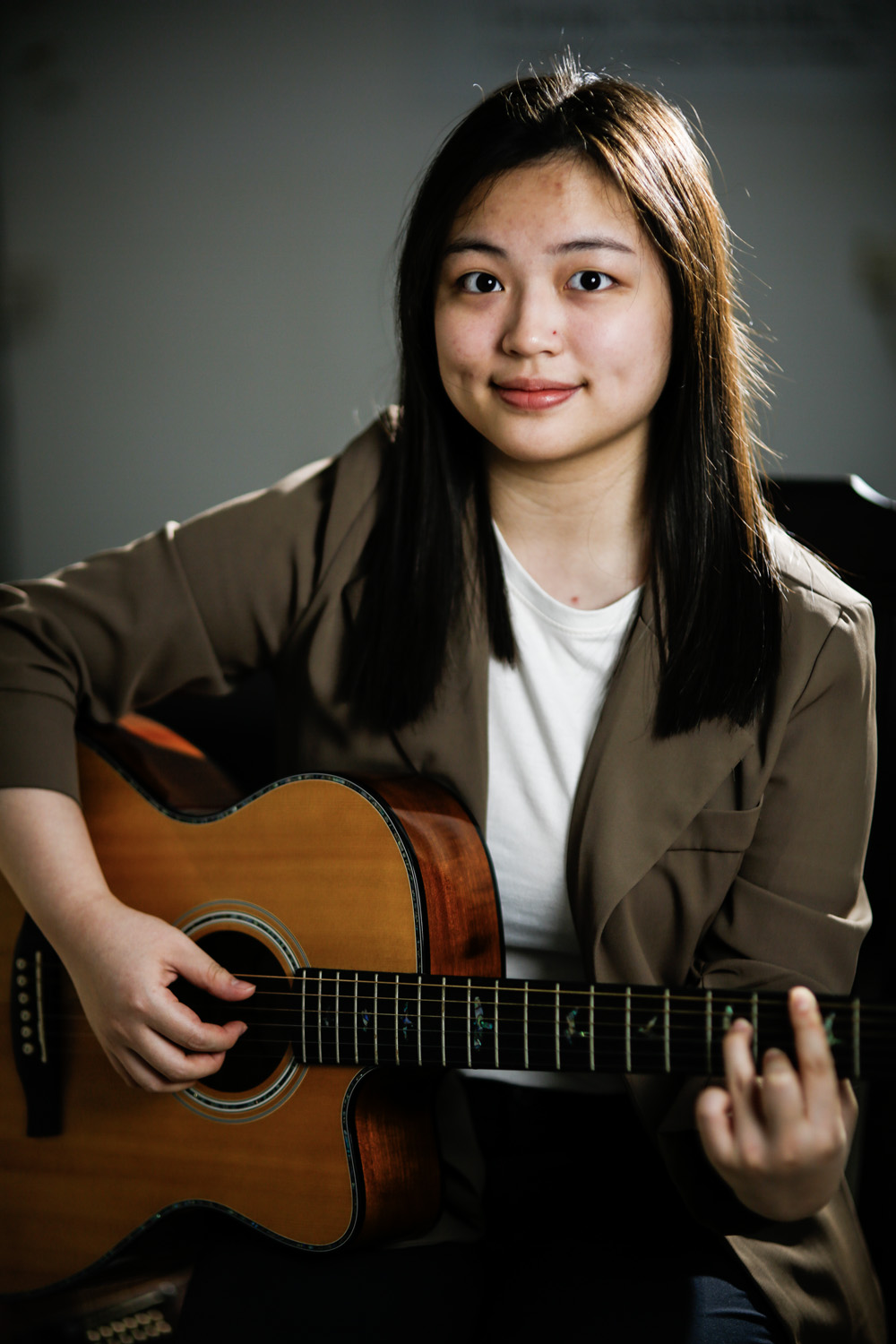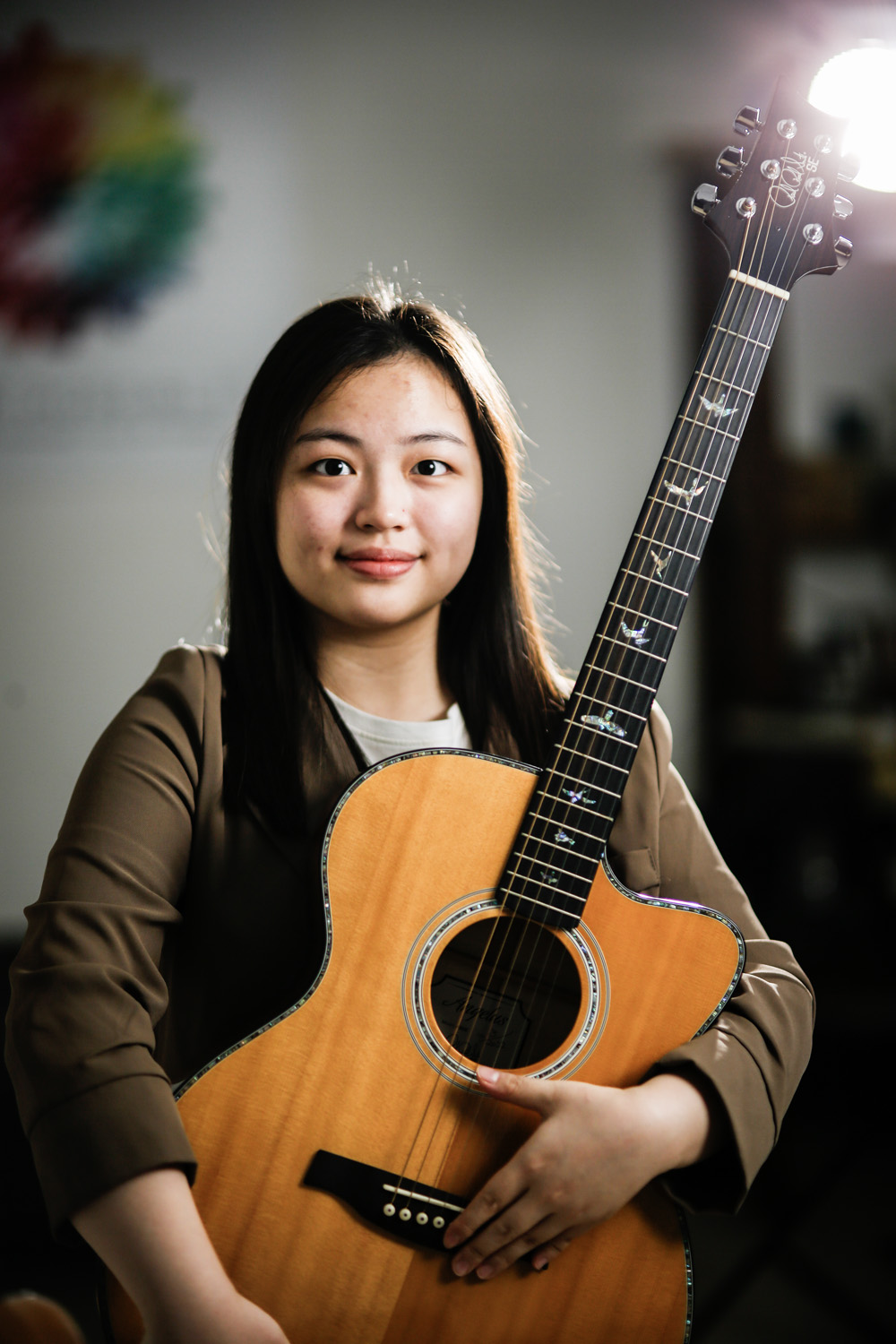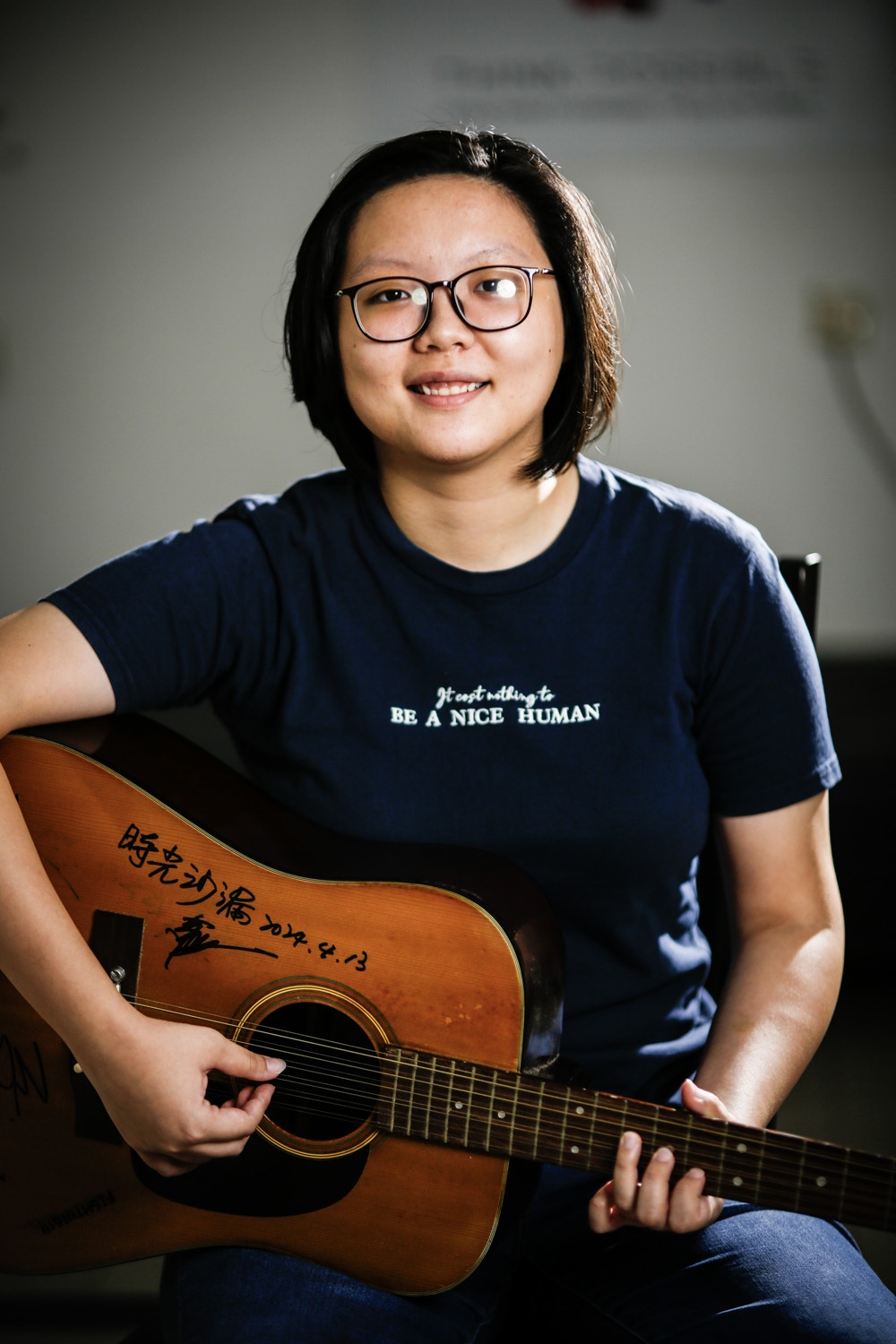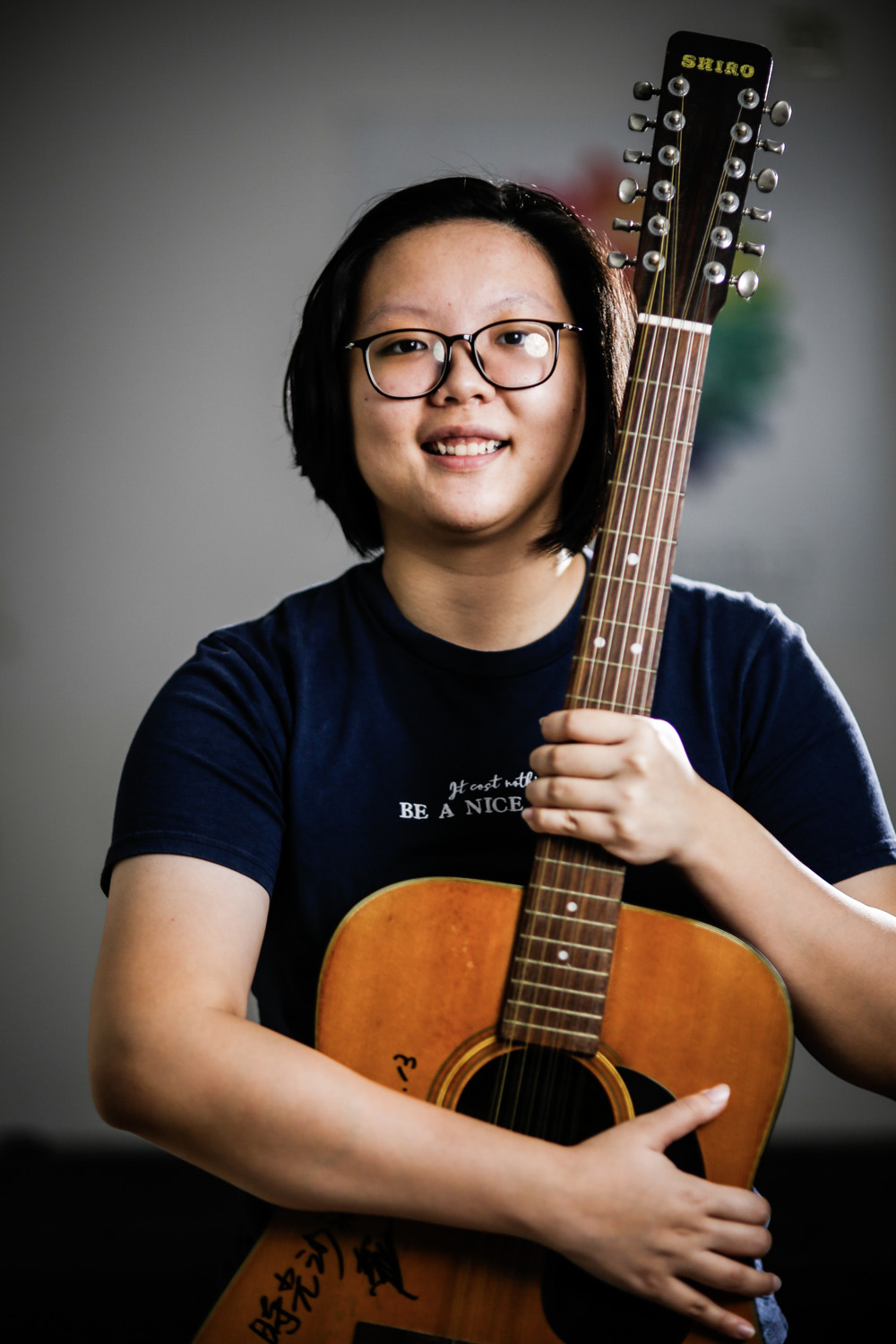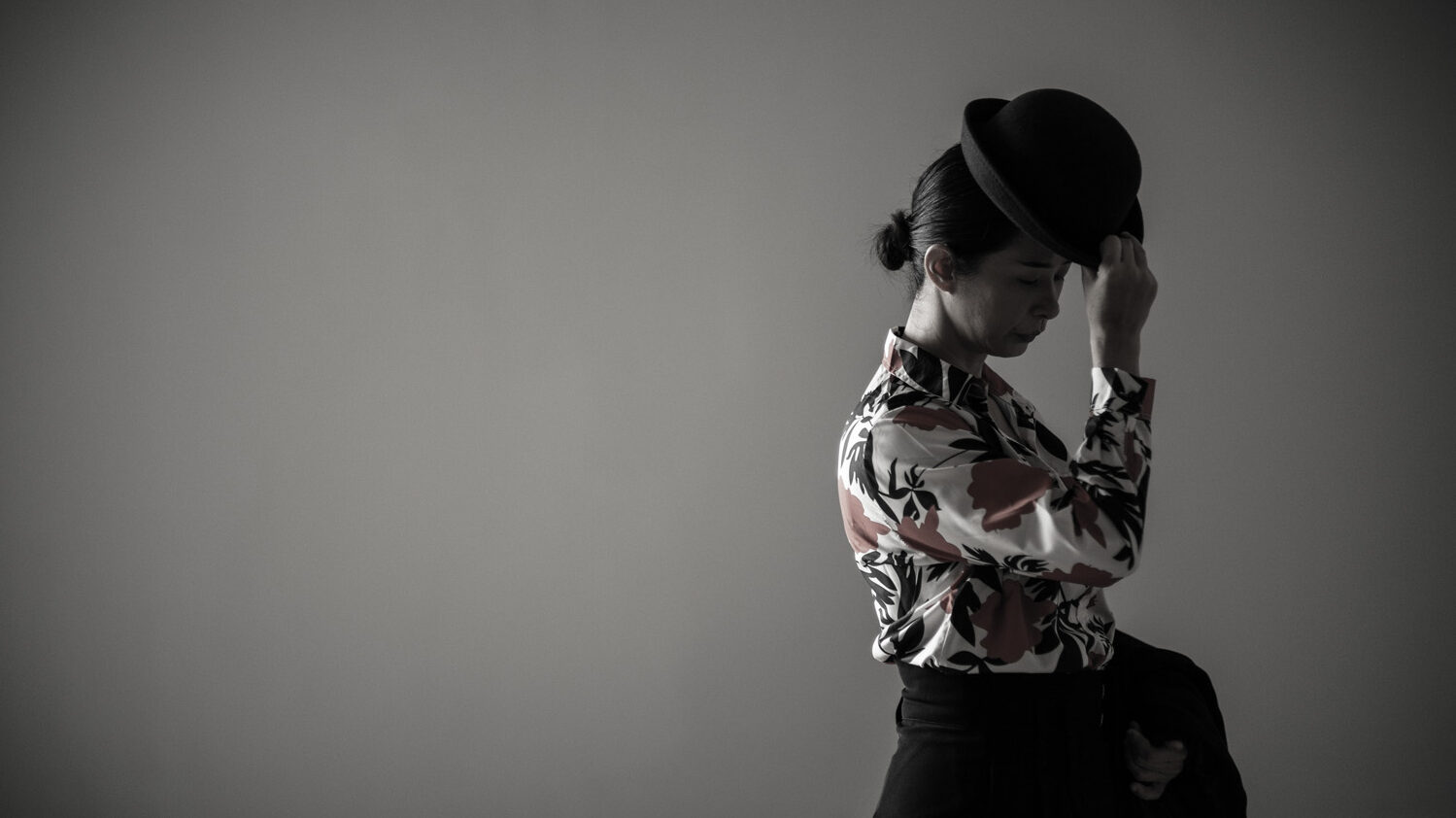
In April this year, I photographed a group of teenagers who were preparing for a guitar performance in June.
They were not professional musicians or models. They were my guitar students — young people still discovering music, performance, and perhaps a little more about themselves along the way.
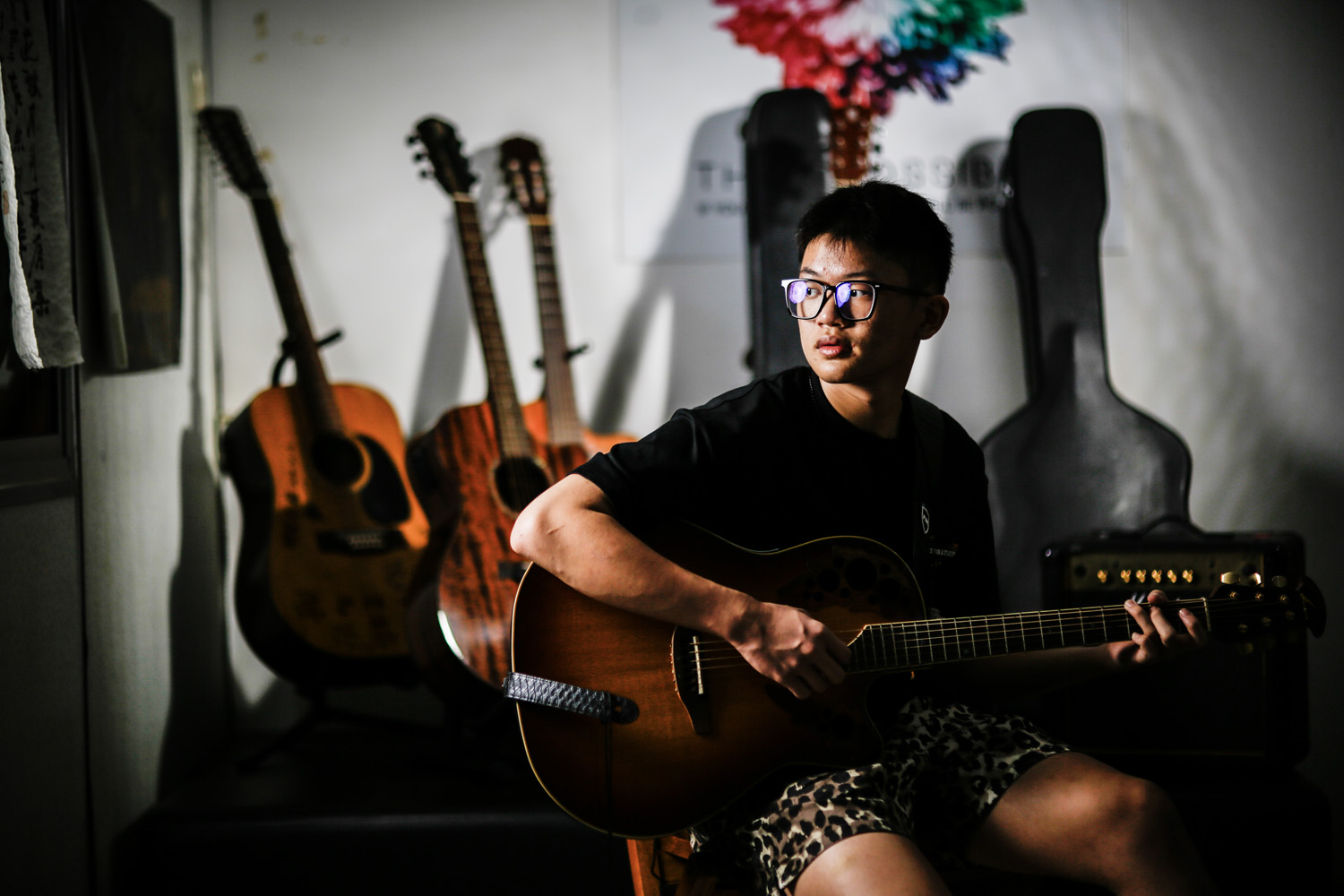
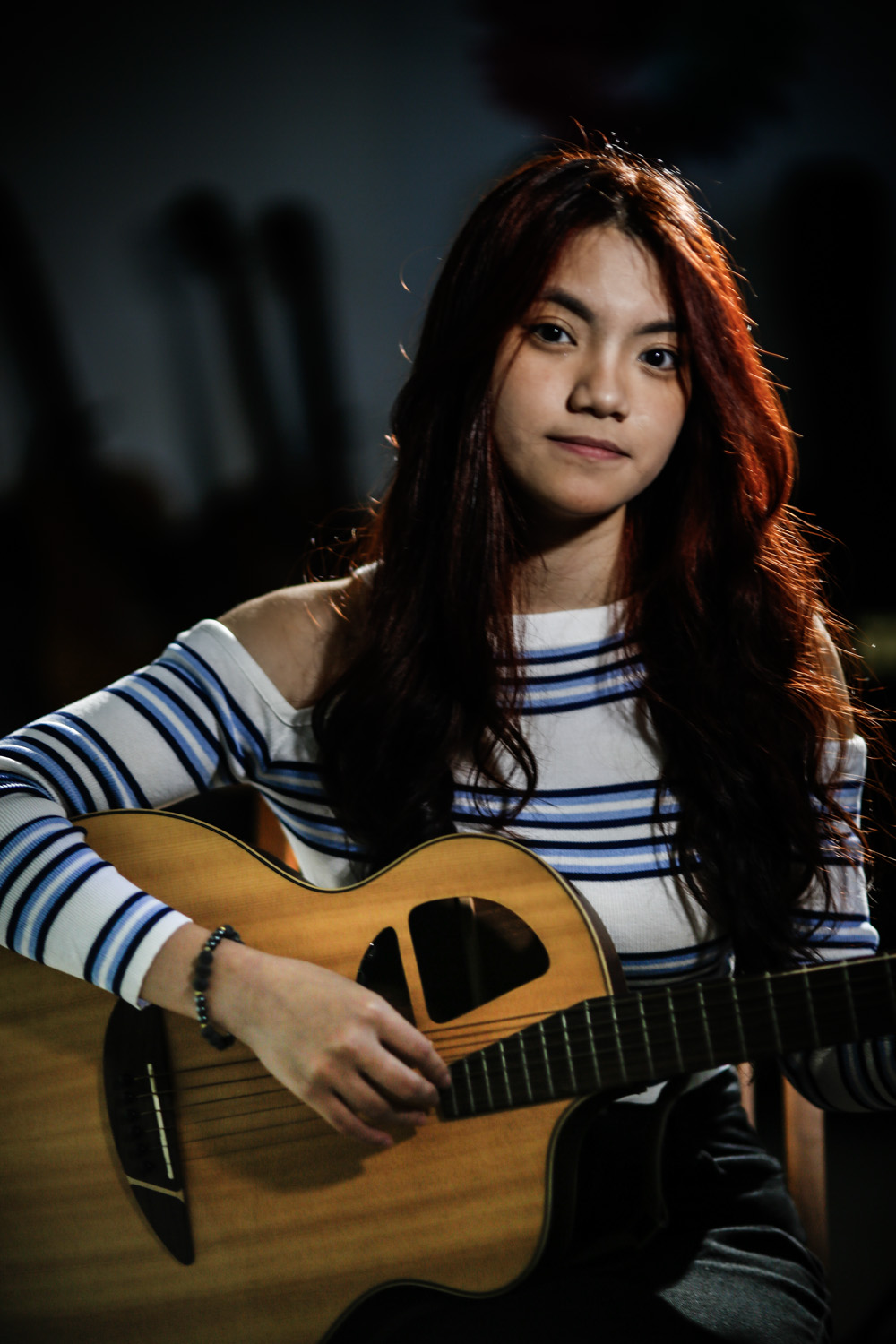
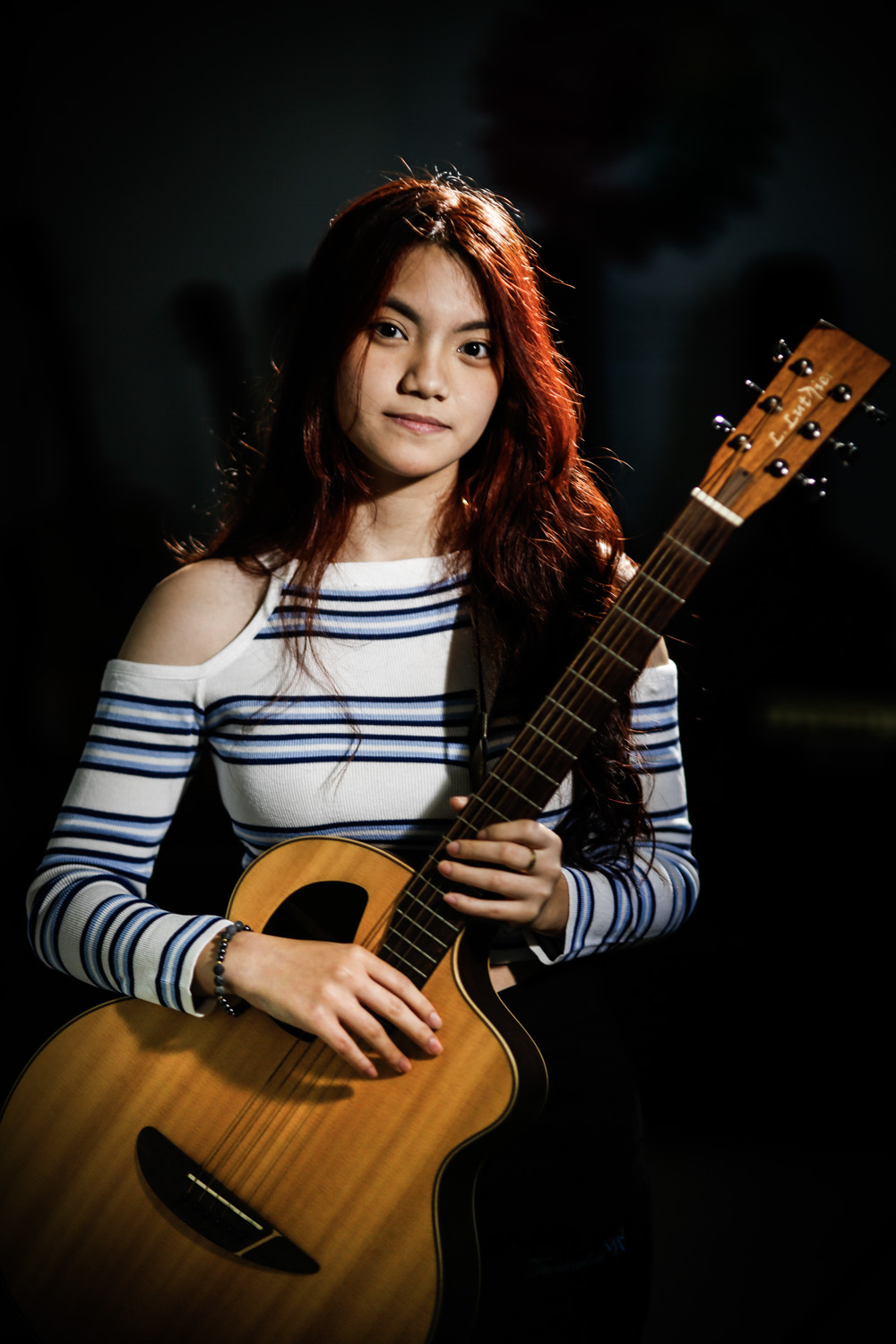
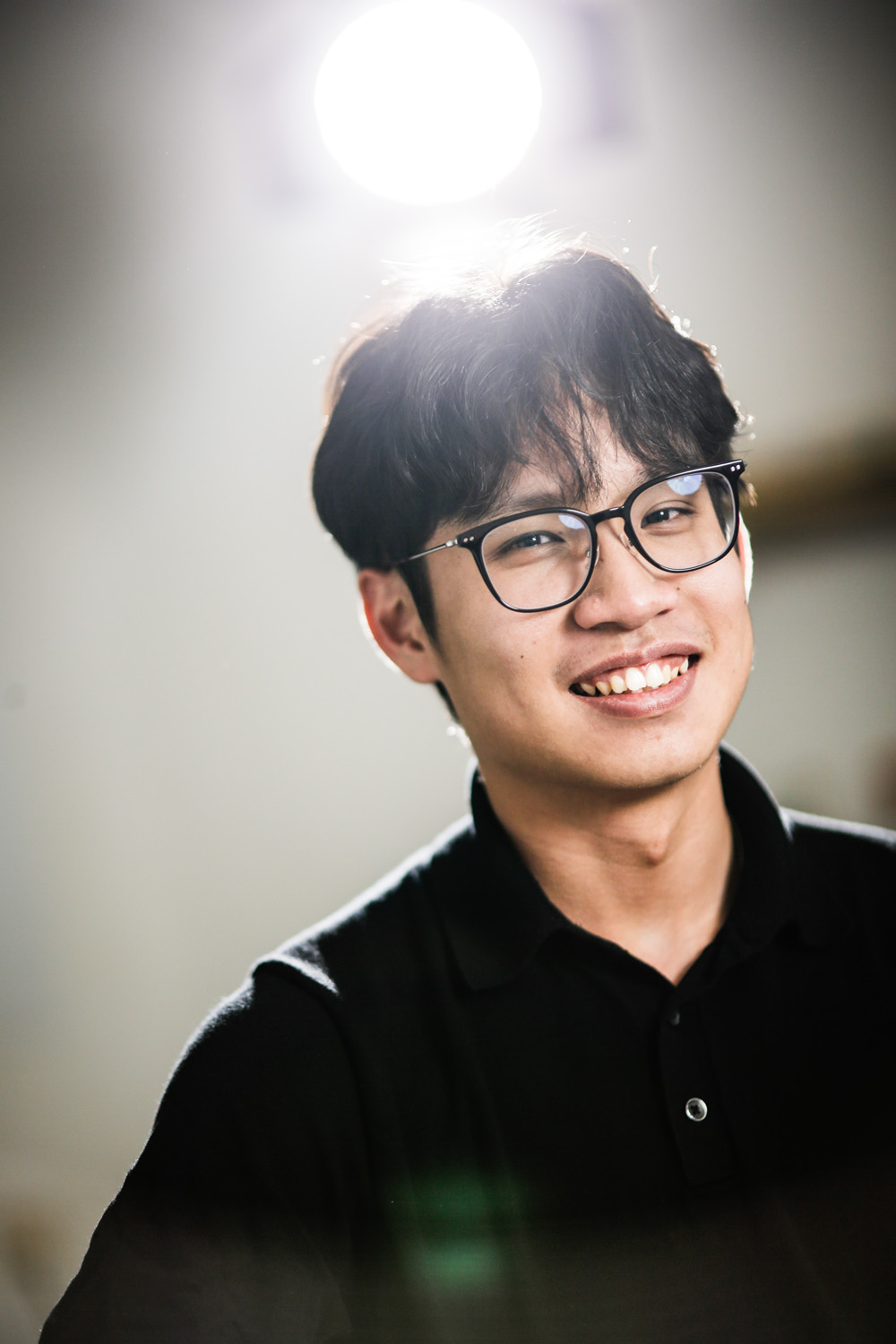
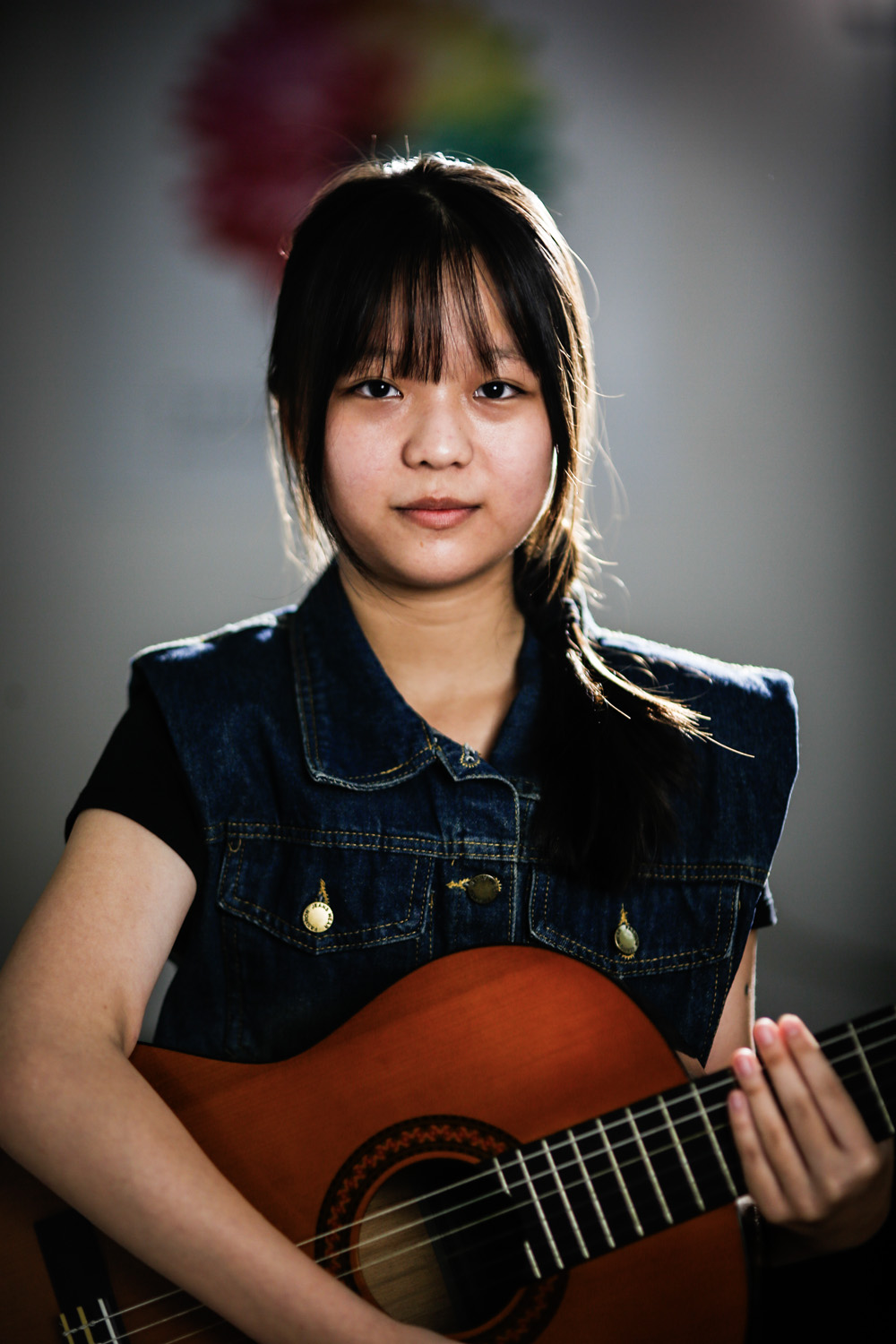
For the portraits, I used two lights.
One was positioned behind them to create a strong backlight, separating the subjects from the background. The second light came from the front side, creating a contrasting side light across their faces. The result was a subtle interplay of light and shadow, revealing only part of their expressions.
I wanted to capture something beyond a simple portrait.
With a guitar in their arms, I wanted the photographs to reflect the concentration, confidence, and quiet intensity that appear when they become completely absorbed in playing.
I have photographed these students for every performance over the years.
Part of it is practical — the photographs become promotional material for their concerts. But there is another reason that matters much more to me.
They are growing up.
The faces in front of my camera today will inevitably change. Their hairstyles will change, their interests will change, and one day they may no longer be the teenagers who stand nervously on a stage with a guitar in their hands.
That is why, after every performance, I print their portraits as large posters and give them one to keep.
A photograph may begin as publicity.
But eventually, it becomes a memory.
Years from now, when these young musicians look back at these photographs, I hope they will not only remember the concert. Perhaps they will remember the friends they stood beside, the songs they played, the excitement before going on stage, and the person they were at that particular moment in their lives.
For me, that is one of the quiet privileges of photography.
To photograph someone is to preserve a version of them that time will eventually change.
And sometimes, the photographs we take for a performance become something much more lasting than the performance itself.