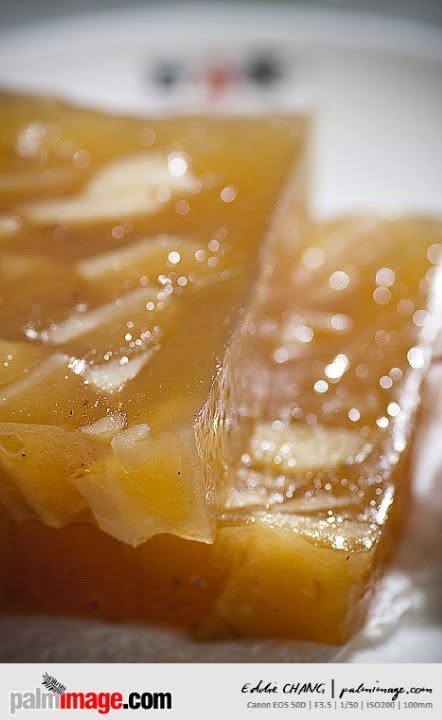
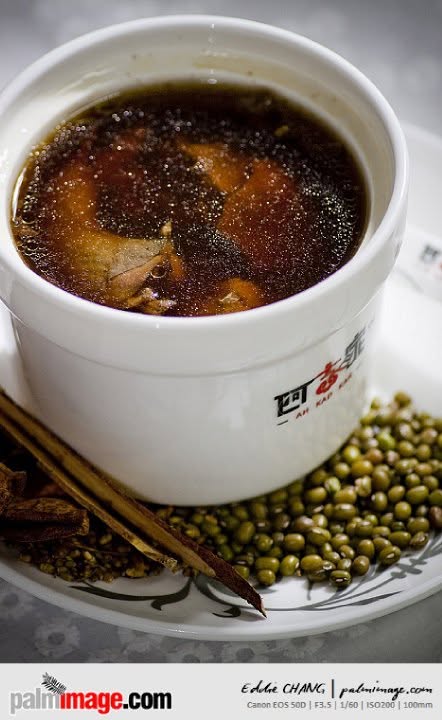
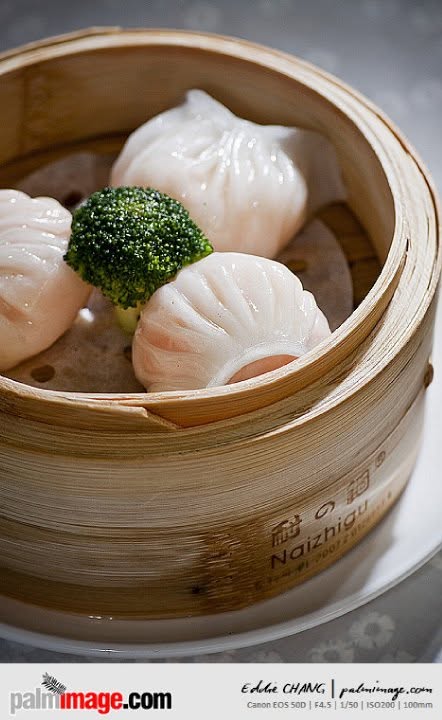
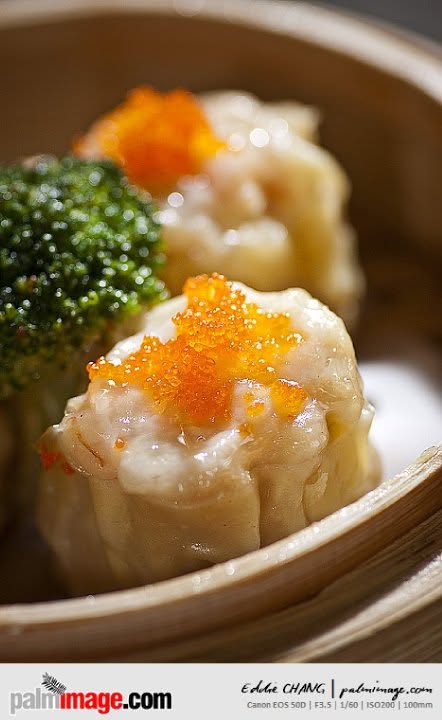
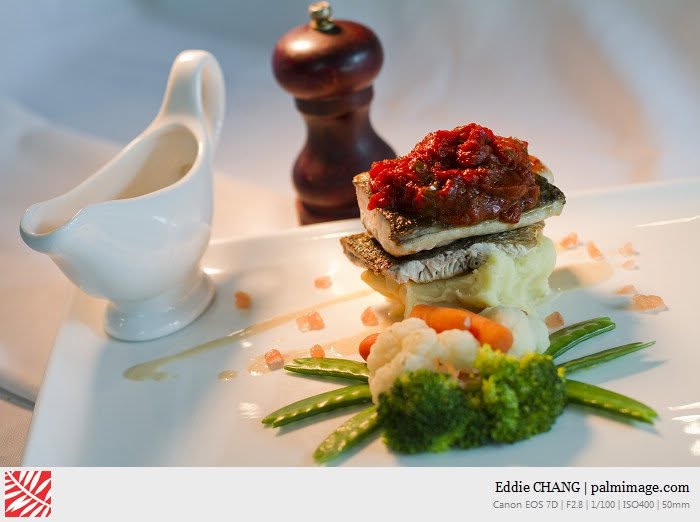
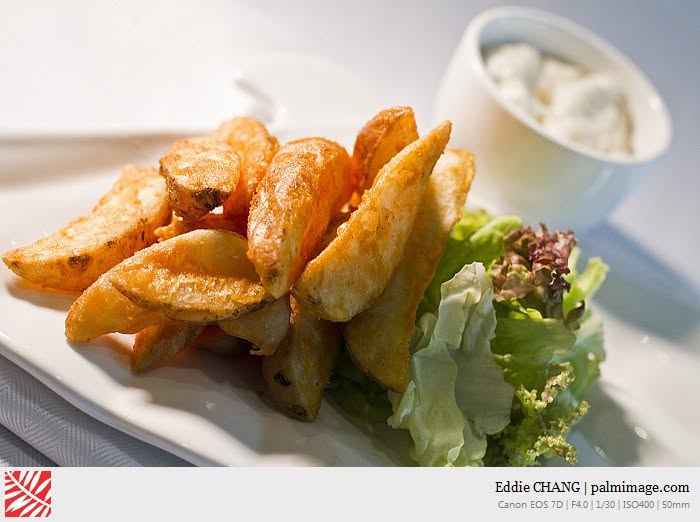
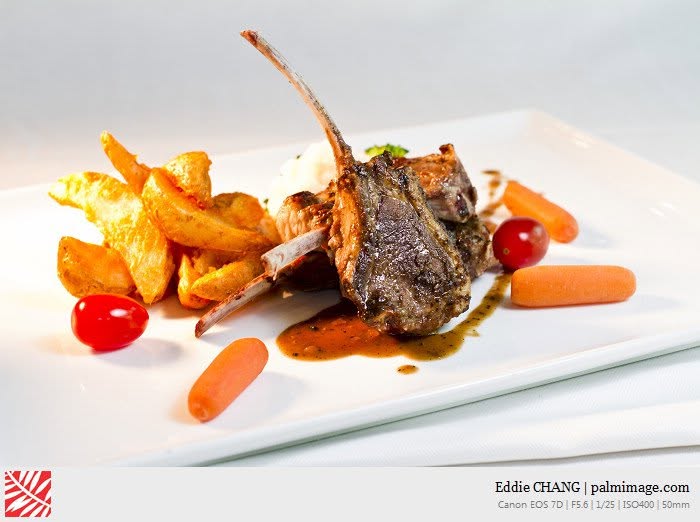
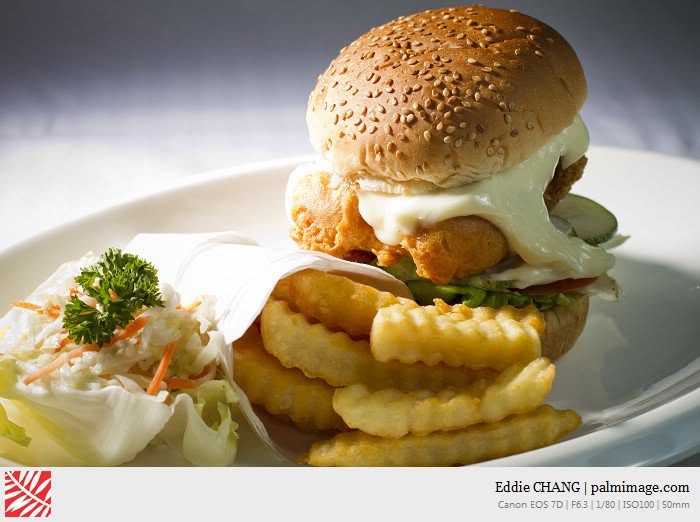
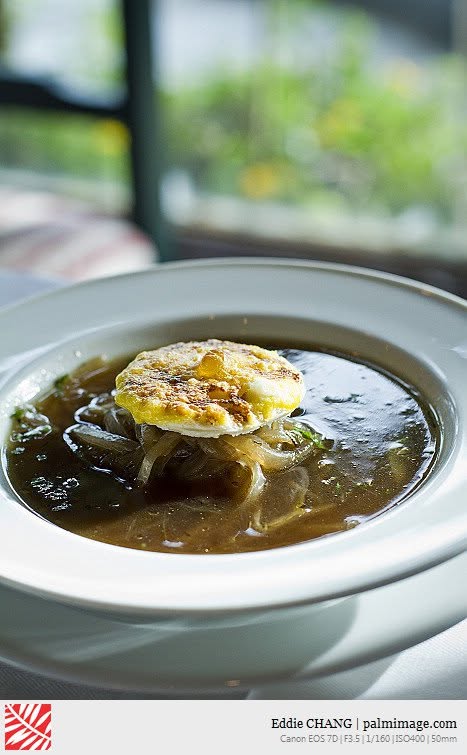
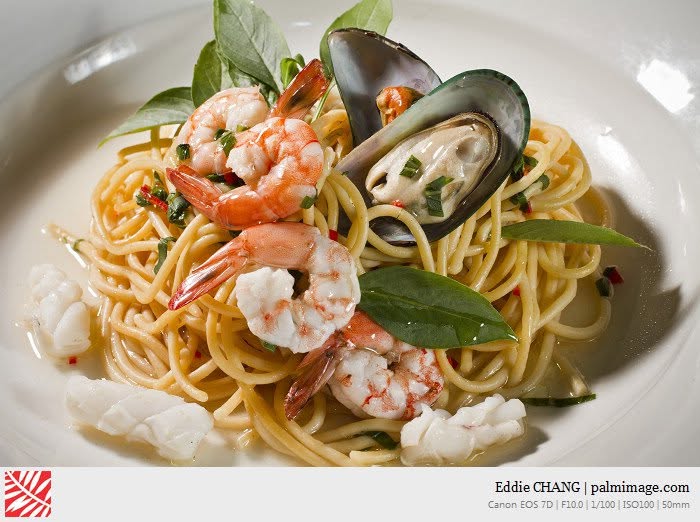
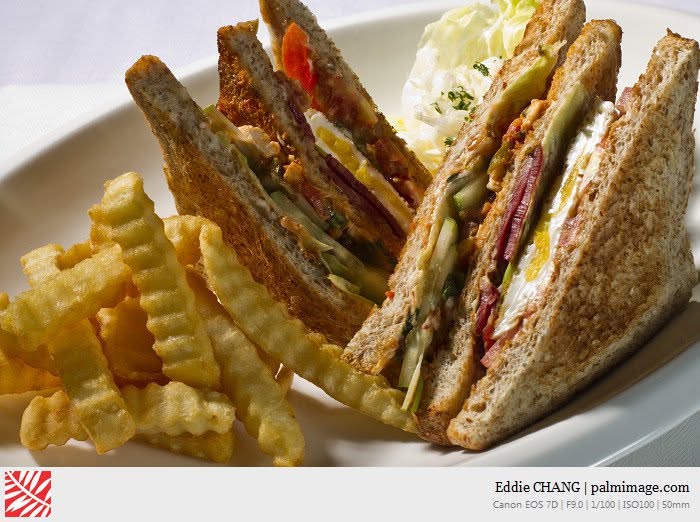
Food photography was one of the assignments I genuinely enjoyed during my years as a professional photographer.
I photographed everything from Chinese cuisine and Hong Kong dim sum to Western dishes prepared by five-star hotels, as well as the many flavours of local Malaysian food. Every assignment offered a different kind of exploration — one that satisfied both my curiosity behind the camera and, quite honestly, my appetite.
Food photography is very different from photographing most other subjects.
Light becomes especially important. Every highlight, shadow, texture, and reflection can change the way a dish is perceived. More importantly, the photographer needs to work closely with the chef, understanding how the dish was prepared and what makes it special, so that its character can be translated through the lens.
The challenge is not simply to make food look beautiful.
It is to make someone looking at a photograph imagine its warmth, texture, aroma, and taste.
That is where the real satisfaction lies.
There are many techniques used in commercial food photography to alter the appearance of food for the camera. Some photographers may use hairspray, artificial coatings, or other non-edible materials to create a particular shine or texture.
I have never been comfortable with that approach.
Whenever possible, I prefer to work with edible ingredients such as olive oil and other natural food materials to enhance the appearance of the dish. Once the photographs are done, the food should still be food — not something that has been turned into a prop simply for the camera.
Perhaps this comes from a simple belief I have carried with me for a long time:
Nothing should be wasted simply for the sake of a photograph.
Photography allows us to preserve beauty, but it should never require us to forget the value of what we are photographing.
For me, the best food photograph is not only one that makes you hungry.
It is one that respects the food, the person who created it, and the work that brought it to the table.