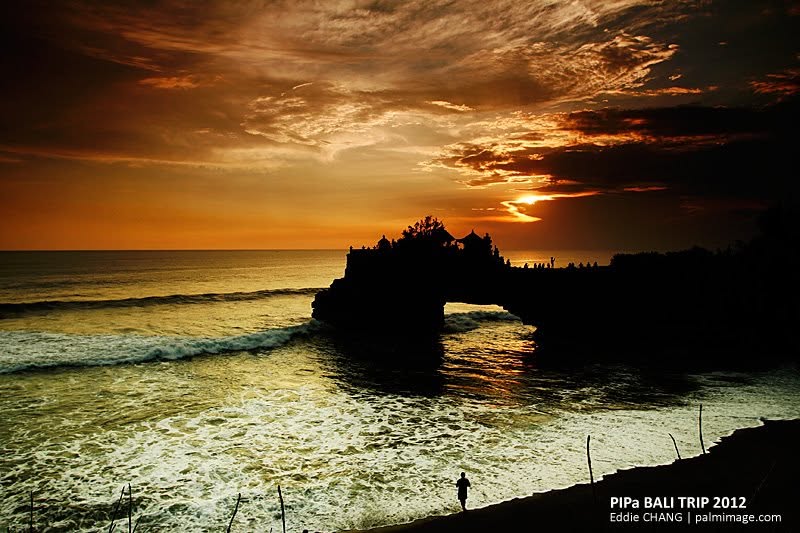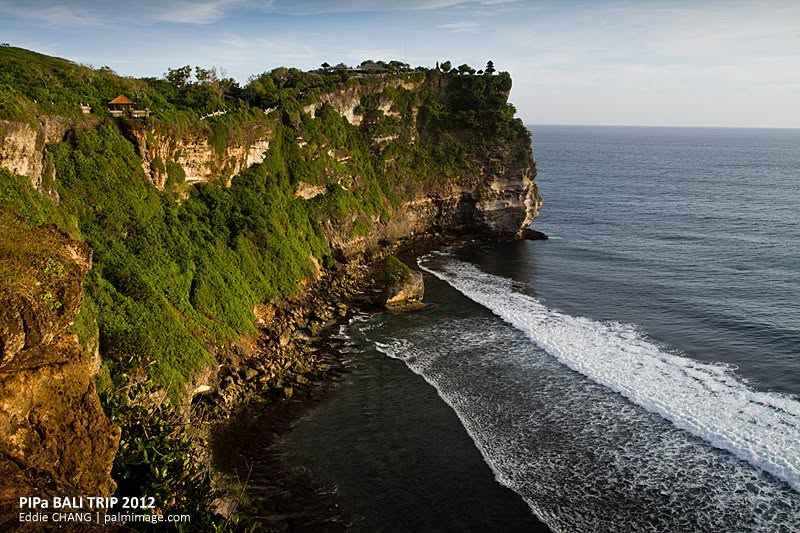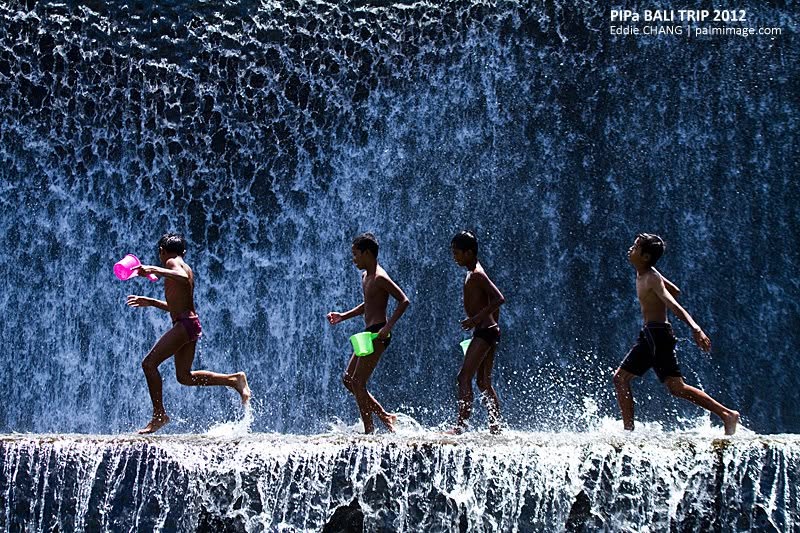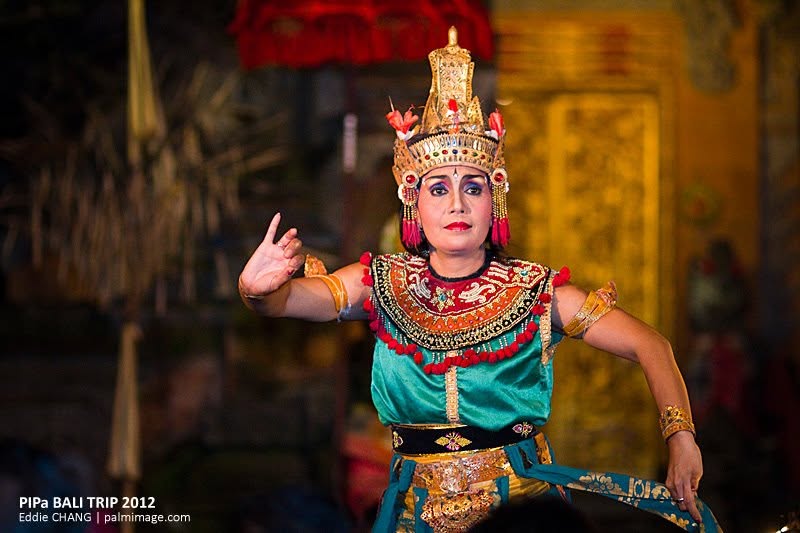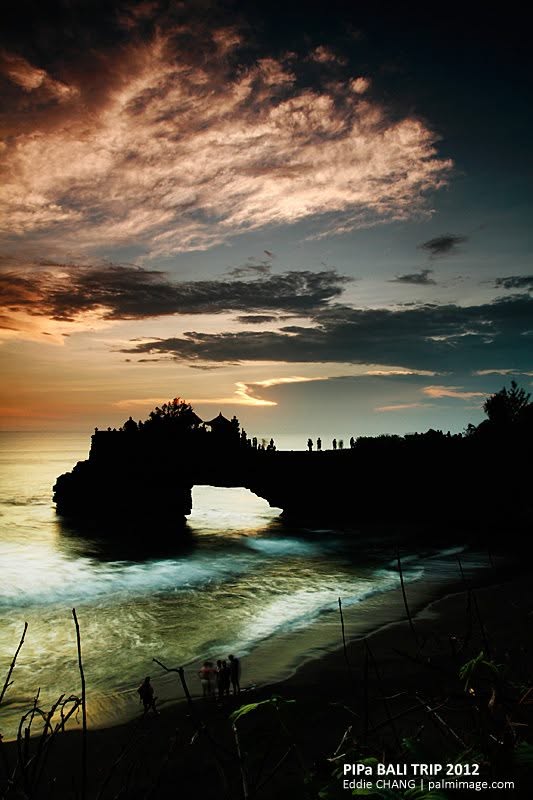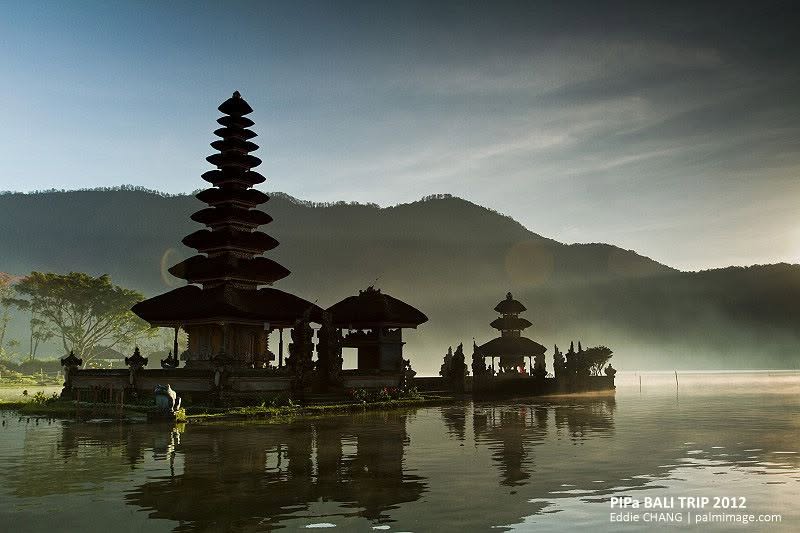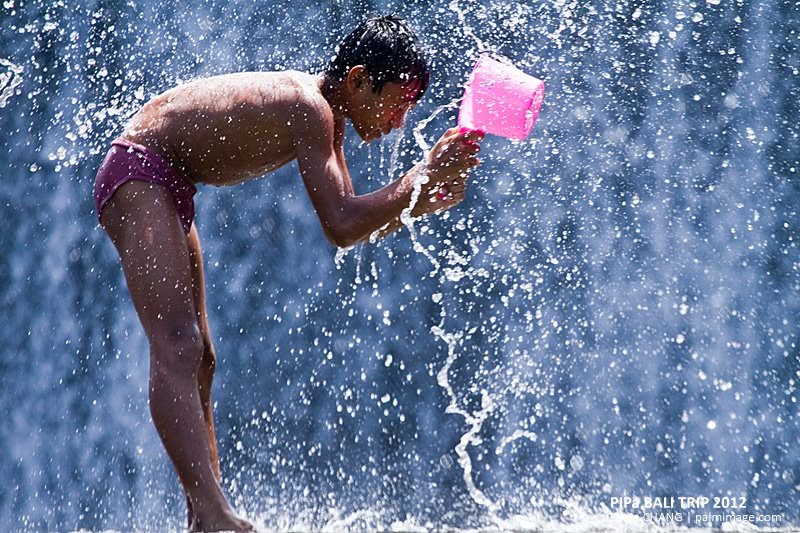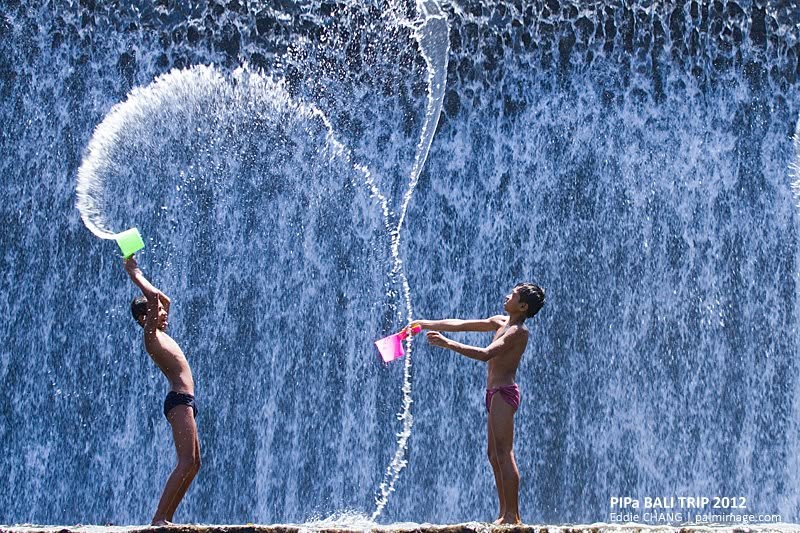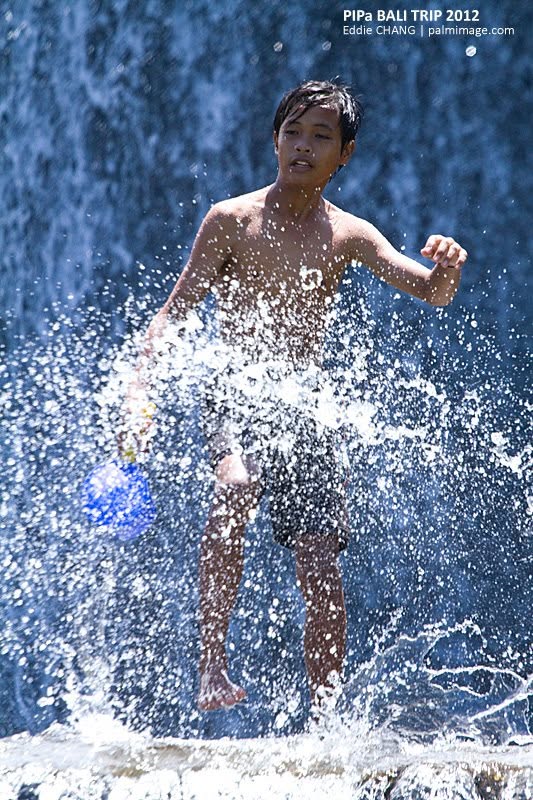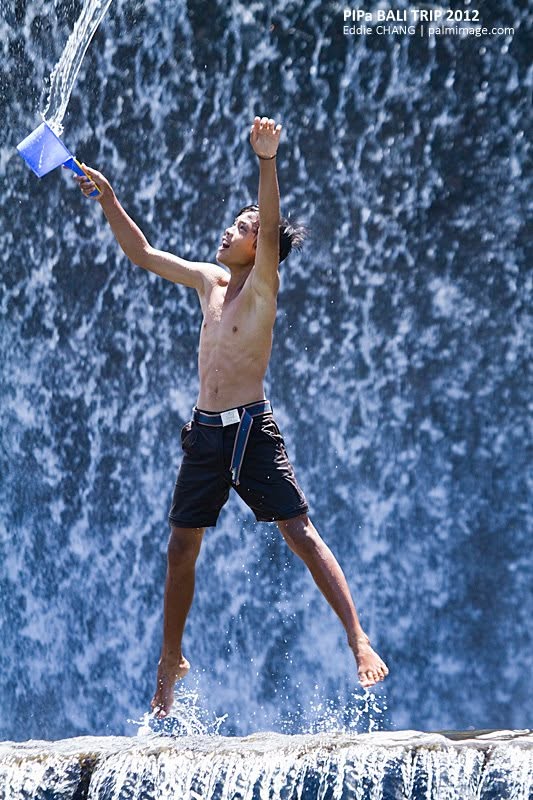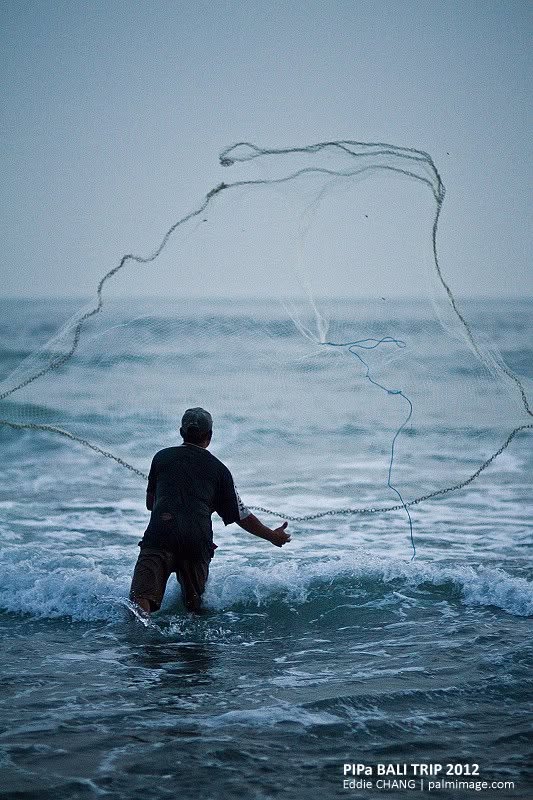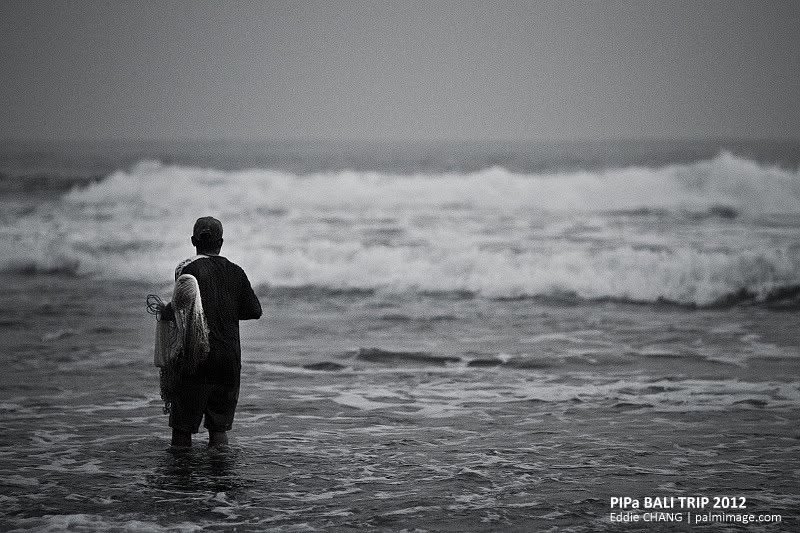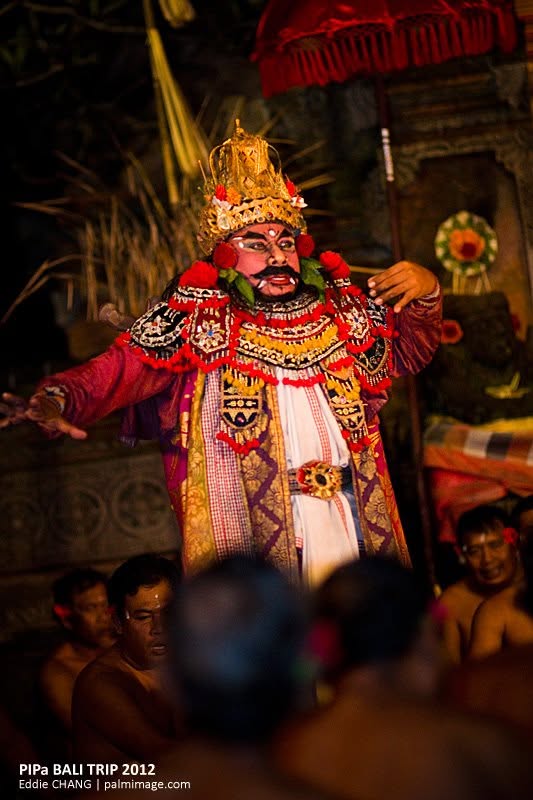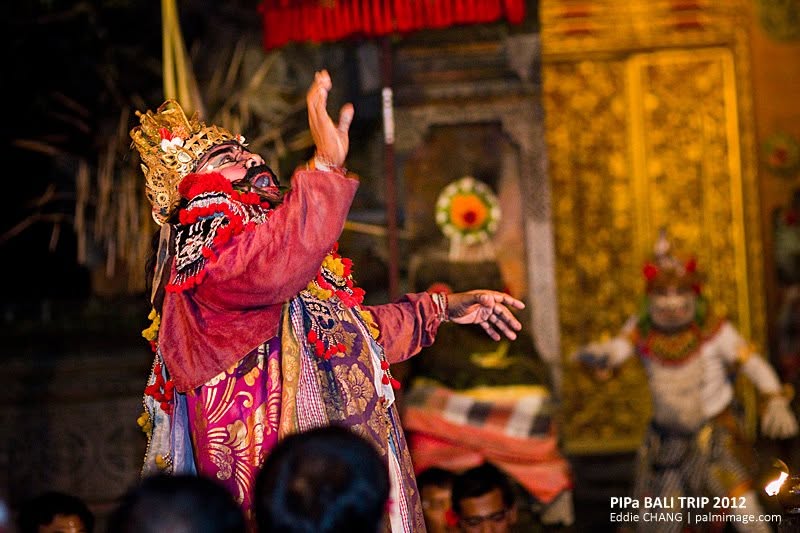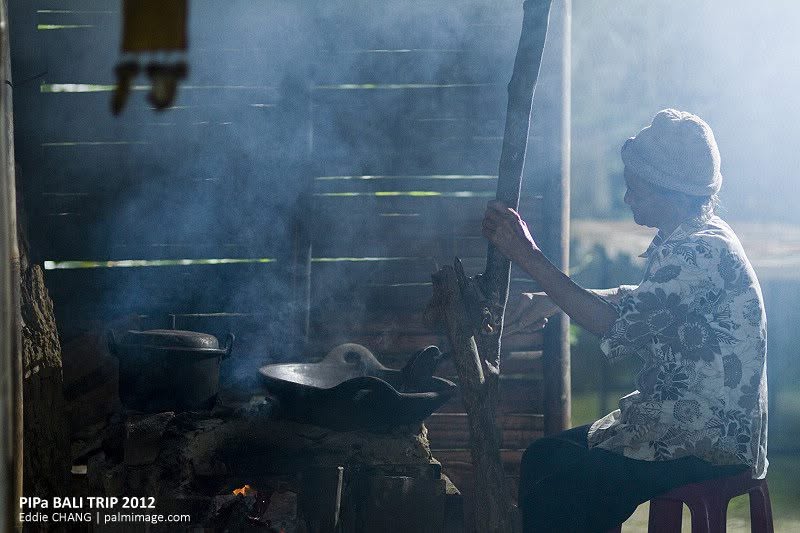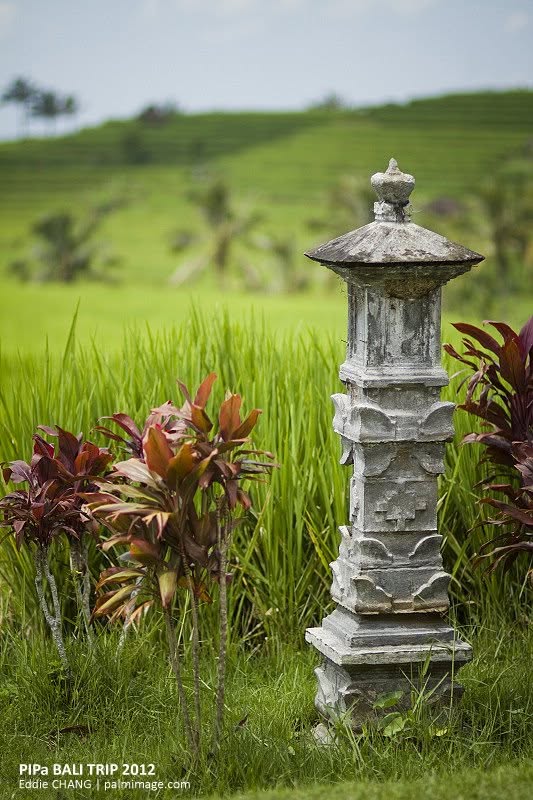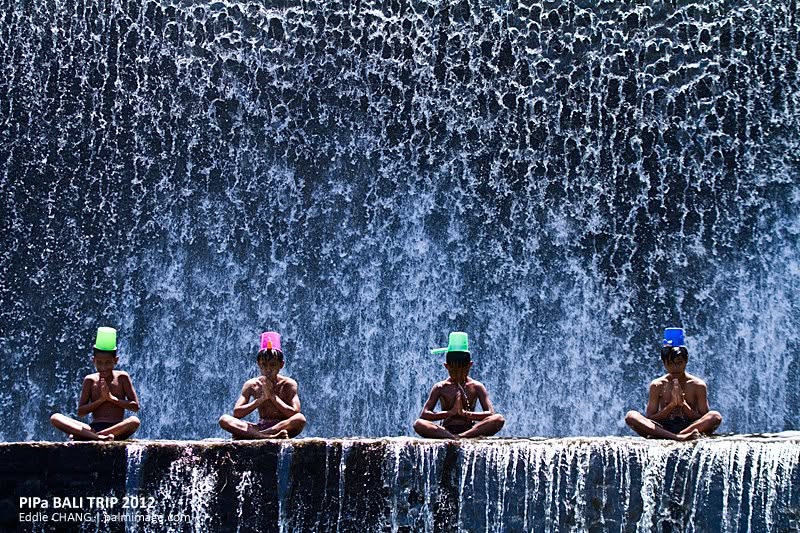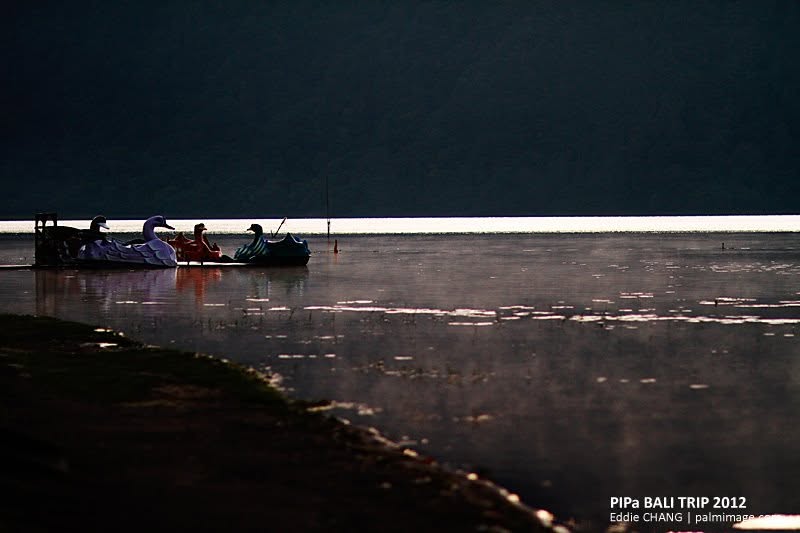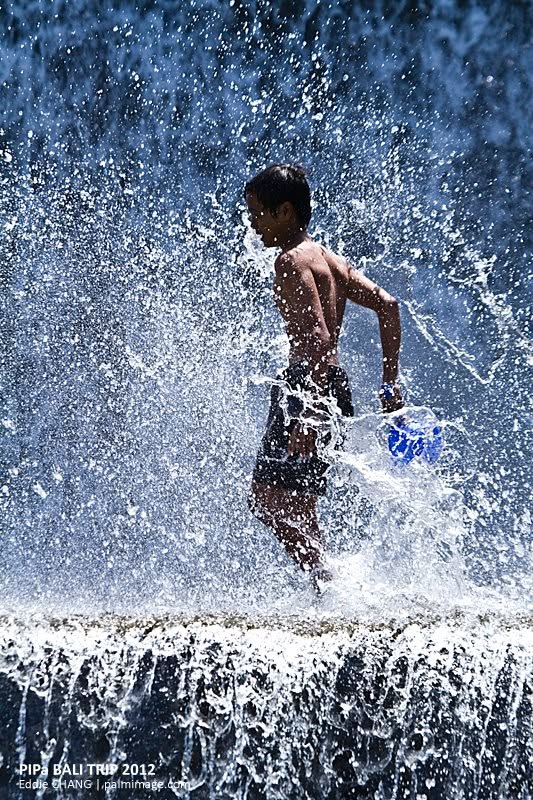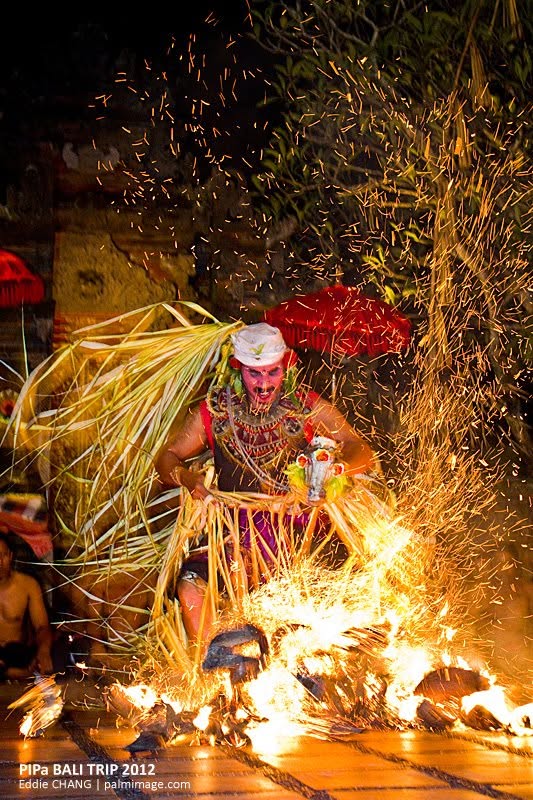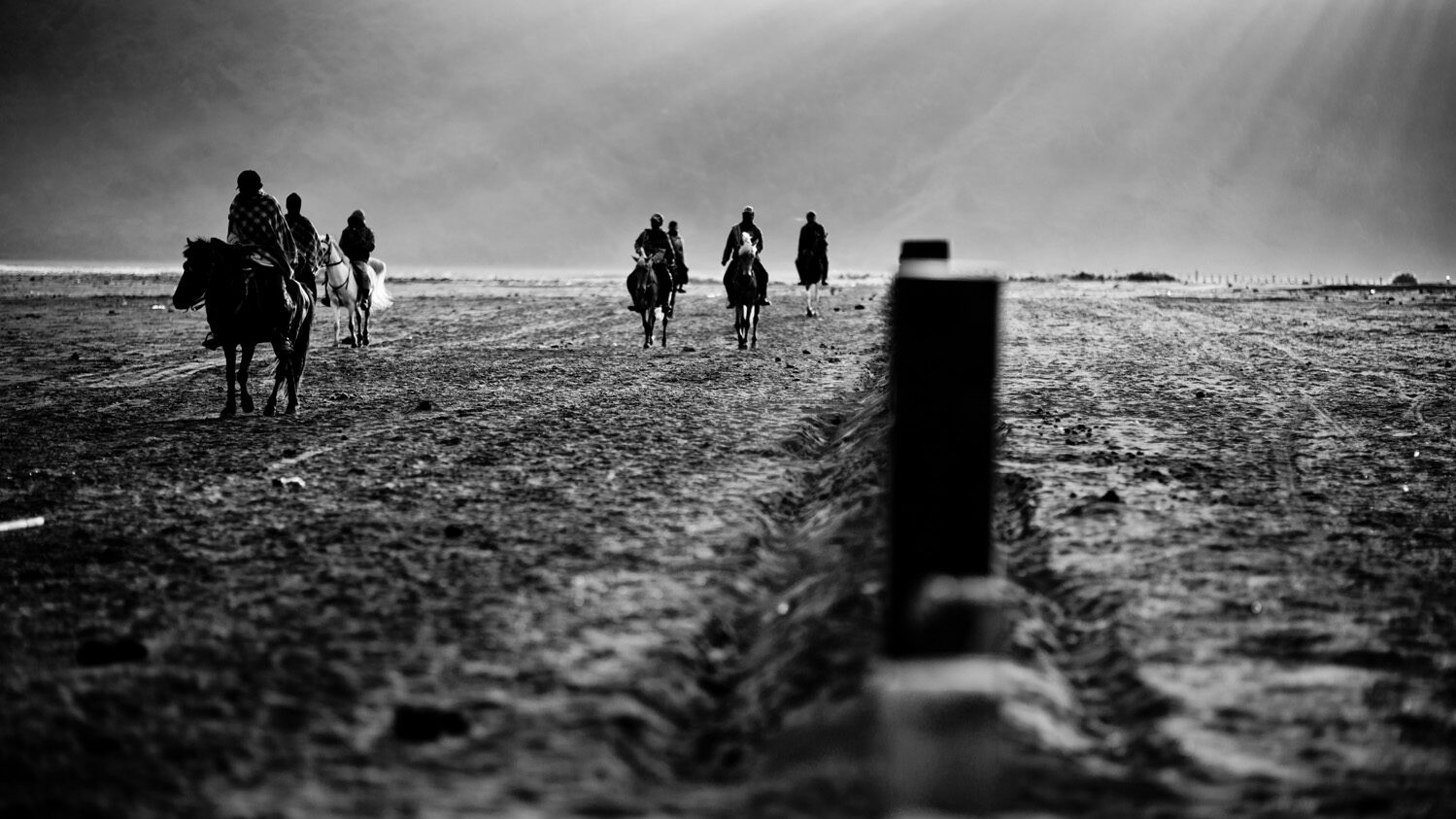
Whenever I led photography students overseas for practical workshops, I deliberately chose destinations rich in culture and human stories.
Northern Thailand, Angkor, Mount Bromo, and Bali were among the places I returned to repeatedly. These were never chosen simply because they were beautiful destinations. I was always looking for places where landscape, culture, religion, and everyday life existed naturally together.
Bali was one of those places.
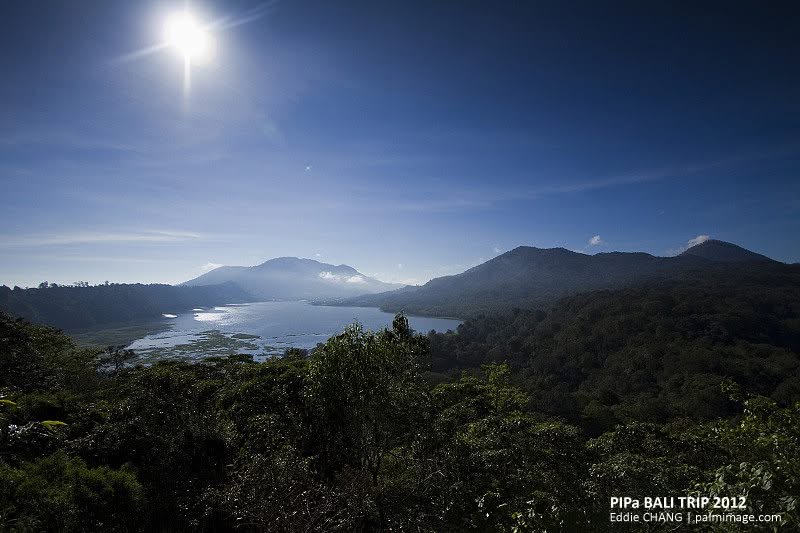
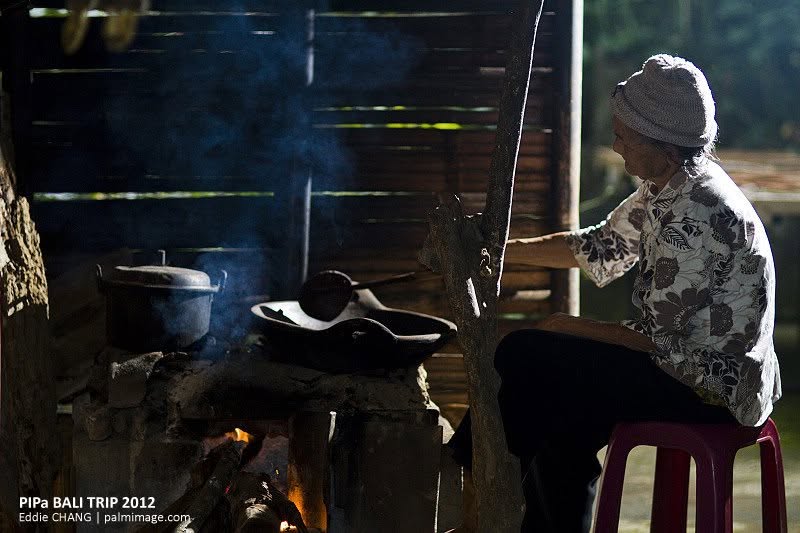
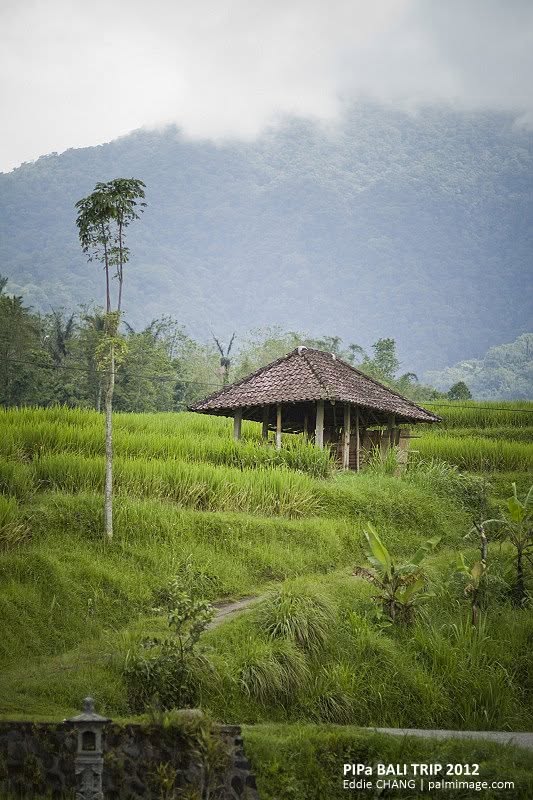
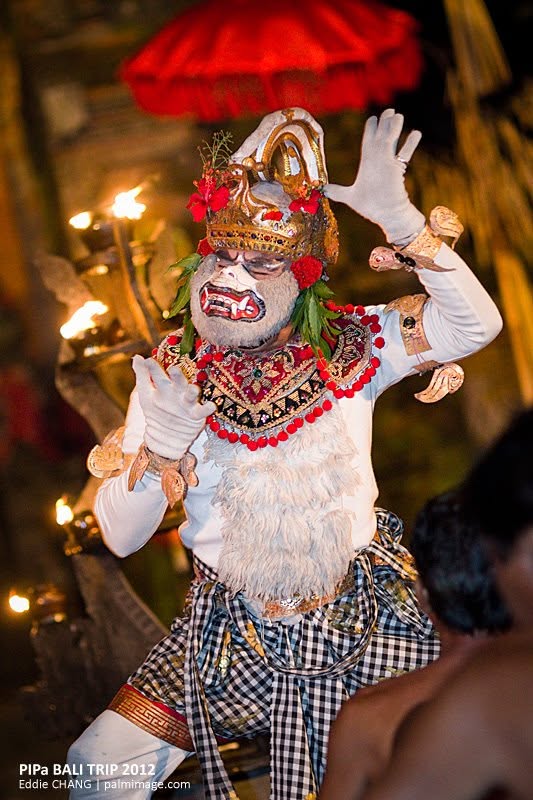
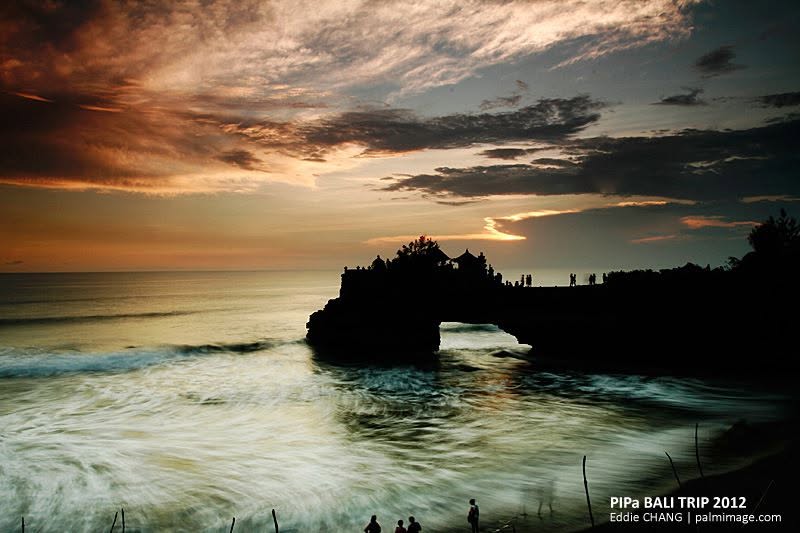
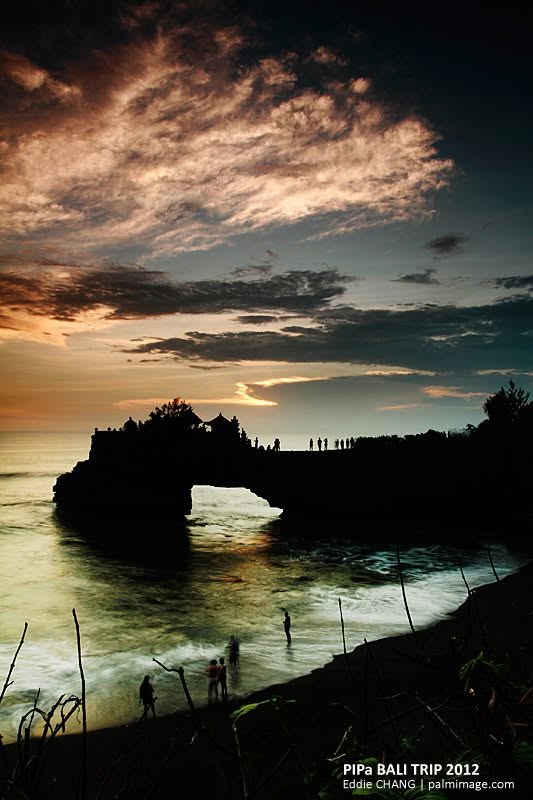
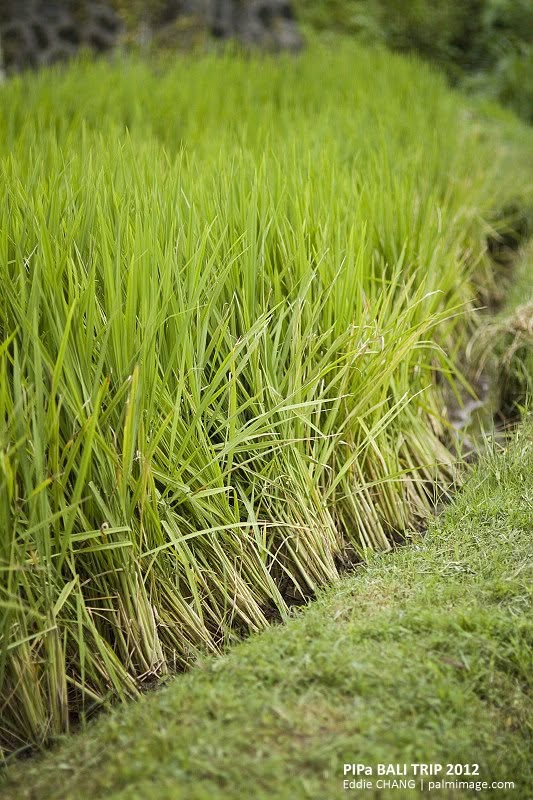
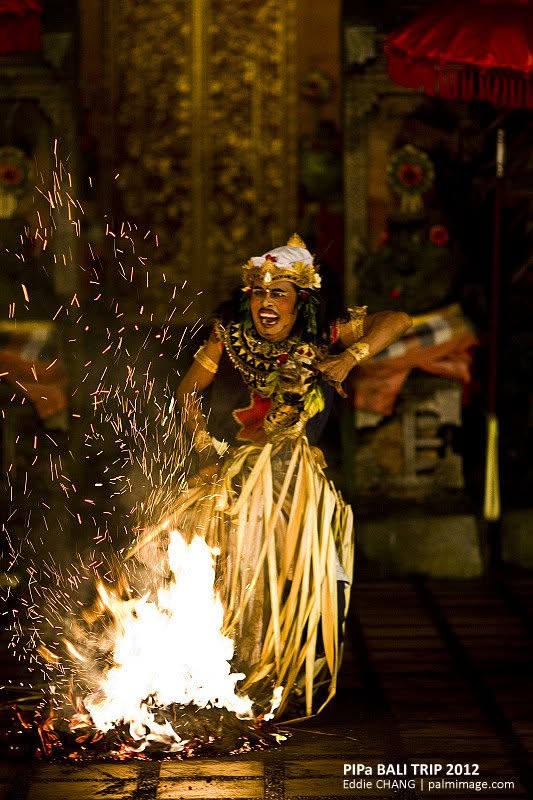
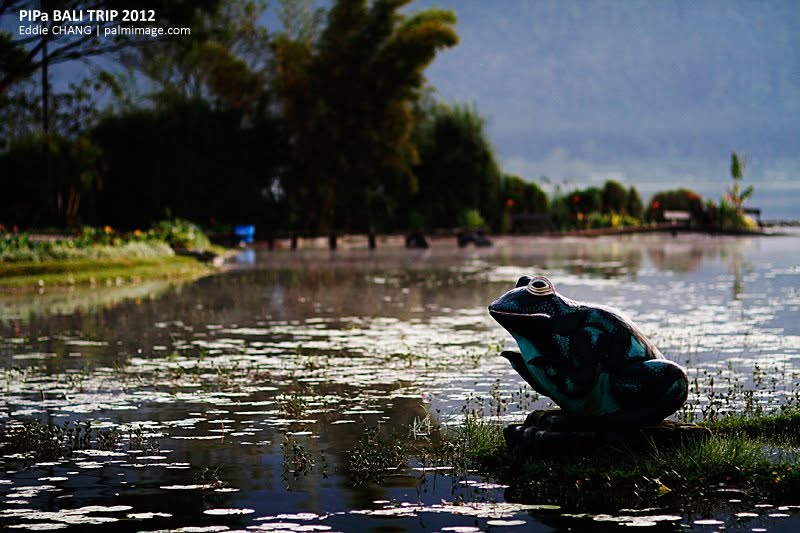
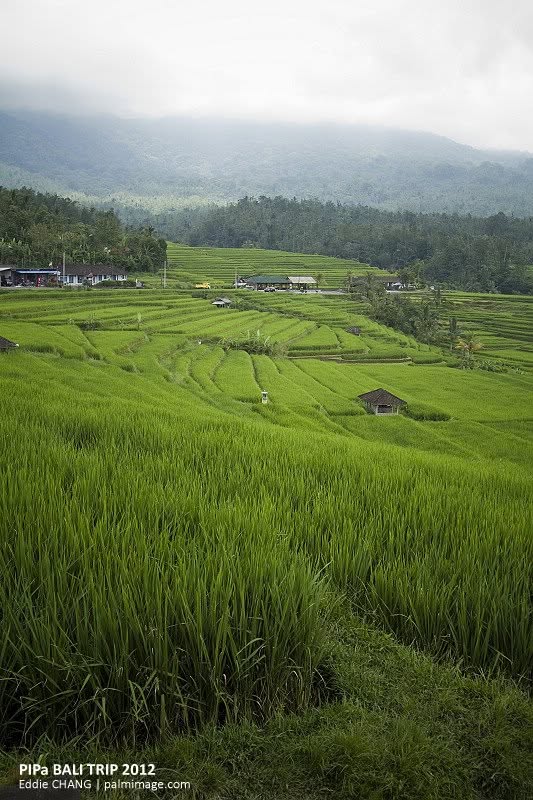
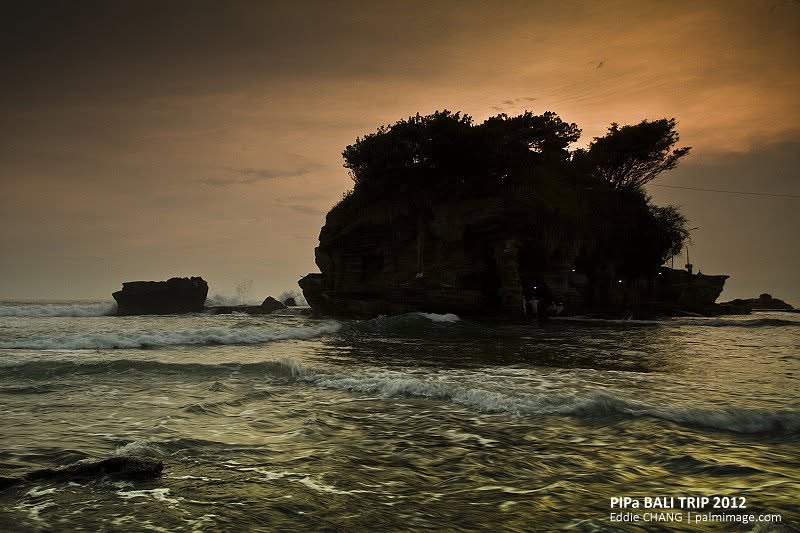
Beyond the familiar attractions of Uluwatu and Tanah Lot, we would venture into the highlands, through the Tegallalang rice terraces and around Lake Batur. Early mornings brought mist rising over the landscape and rice fields moving gently with the breeze. Elsewhere, coffee roasters worked over fragrant beans, while after sunset, performers brought fire dancing to life.
For my students, these were more than photographic subjects. They were opportunities to learn how to observe.
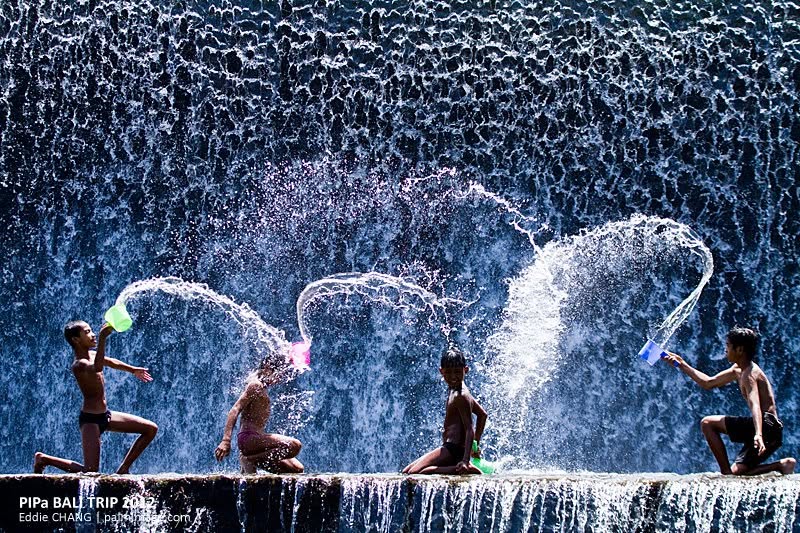
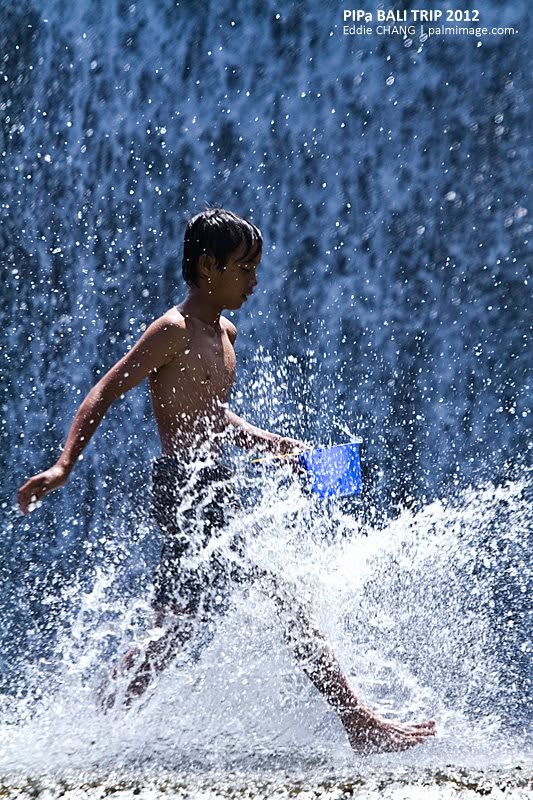
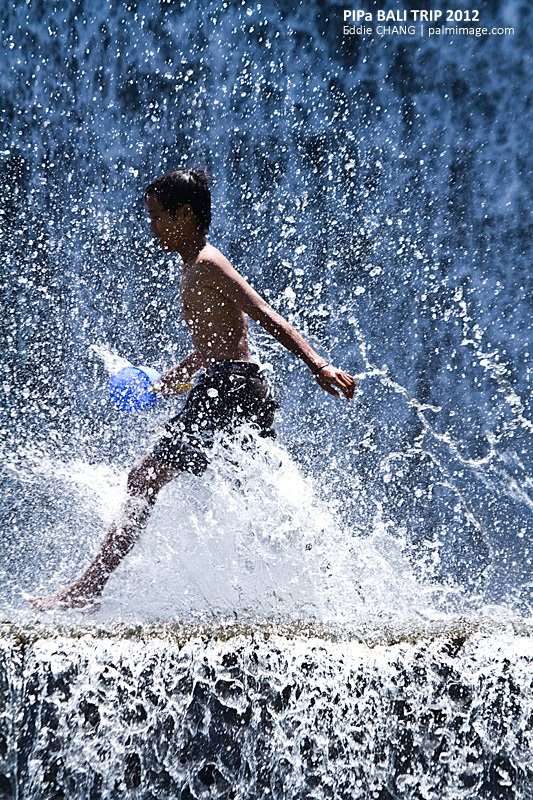
I would encourage them to approach the same scene from different perspectives, experiment with composition, work with different exposures, and most importantly, learn to recognise the moment when a photograph begins to say something beyond what is immediately visible.
Technical knowledge can teach you how to operate a camera.
But it cannot teach you what to see.
The way you choose to capture a moment often reveals something about what is happening inside you at that particular time. It reflects how quietly you observe, how deeply you think, and how curious and sensitive you are towards the people and world around you.
This was the part of photography I hoped to pass on to my students beyond technique.
A camera can record an image.
But it is the photographer who decides what that image means.