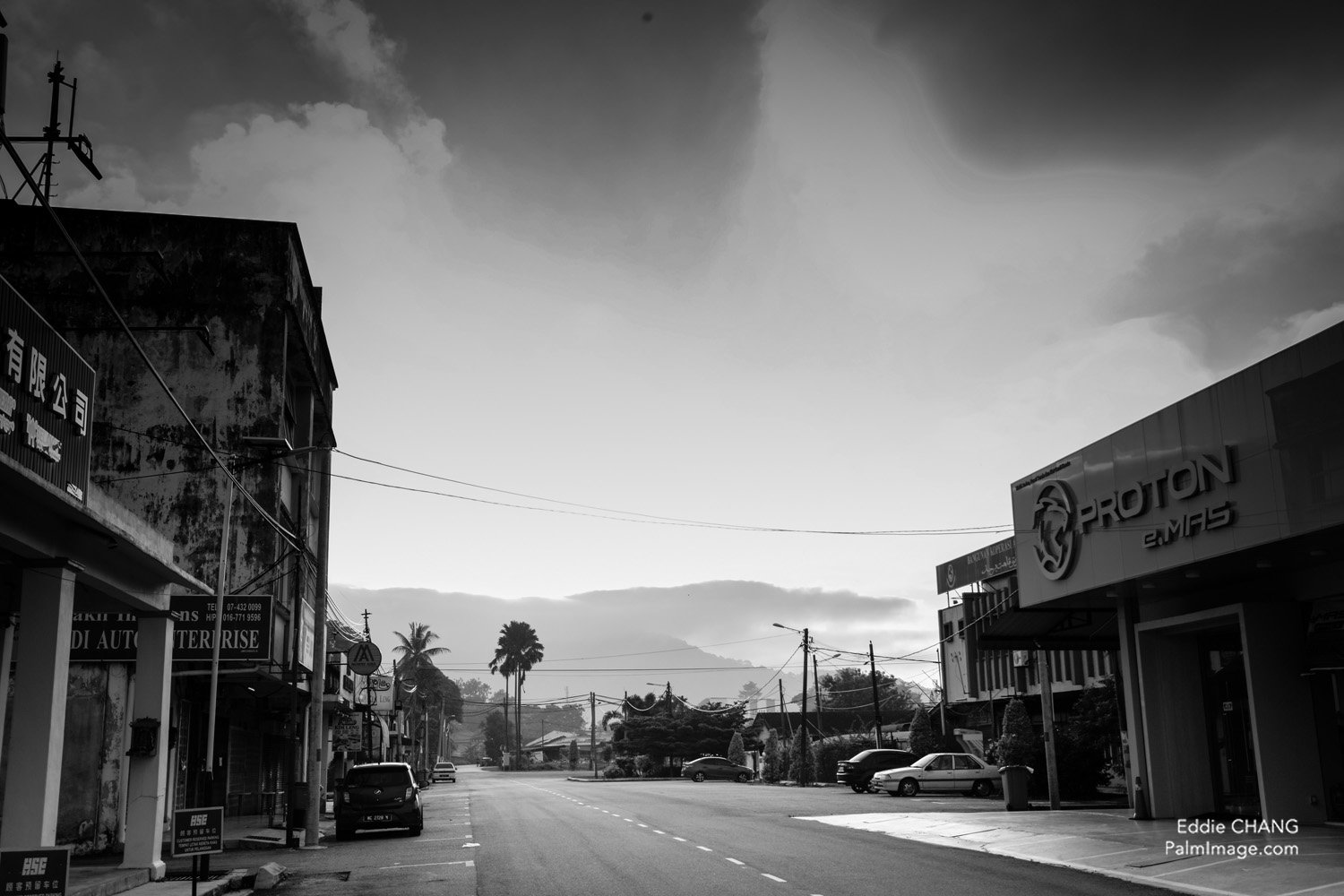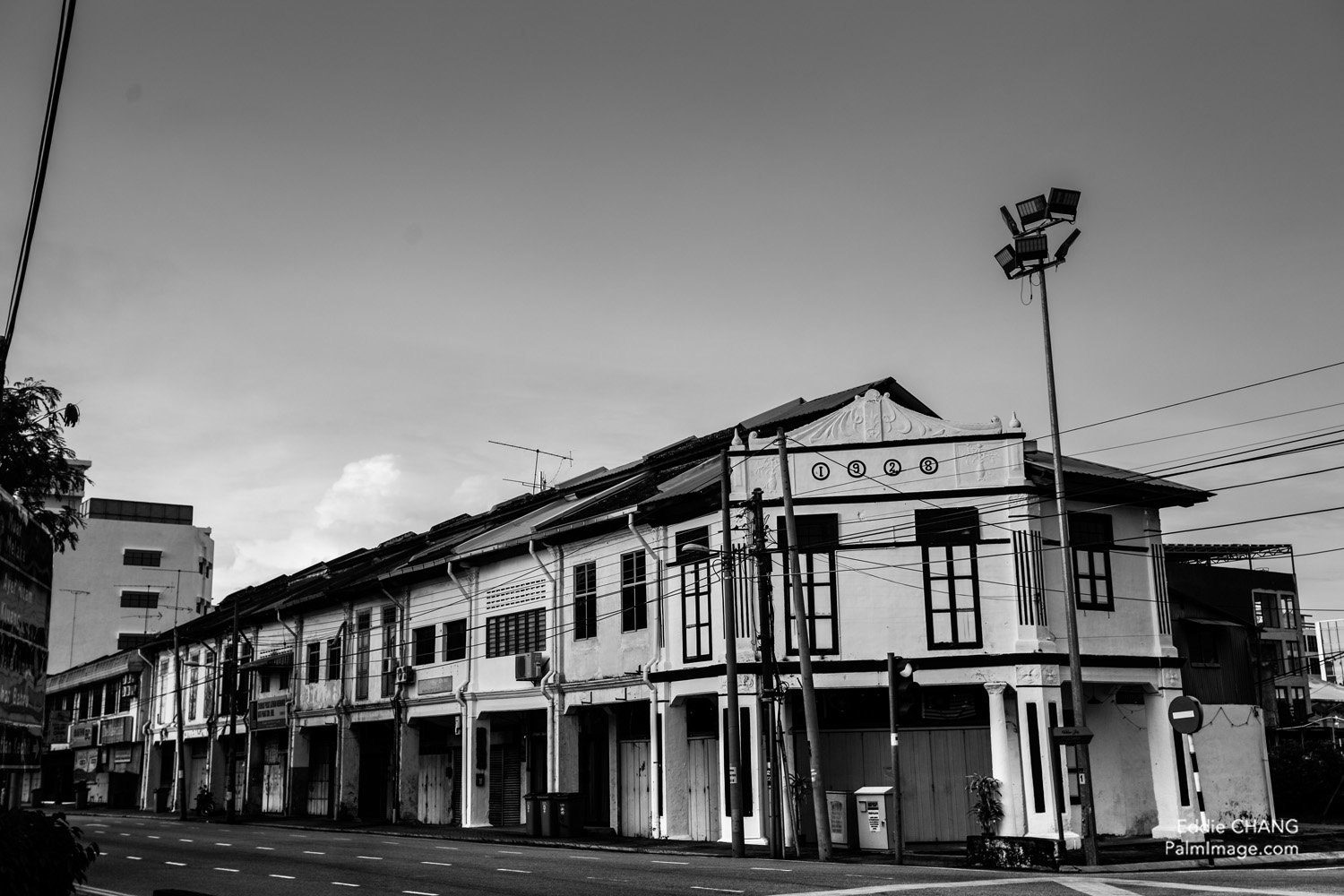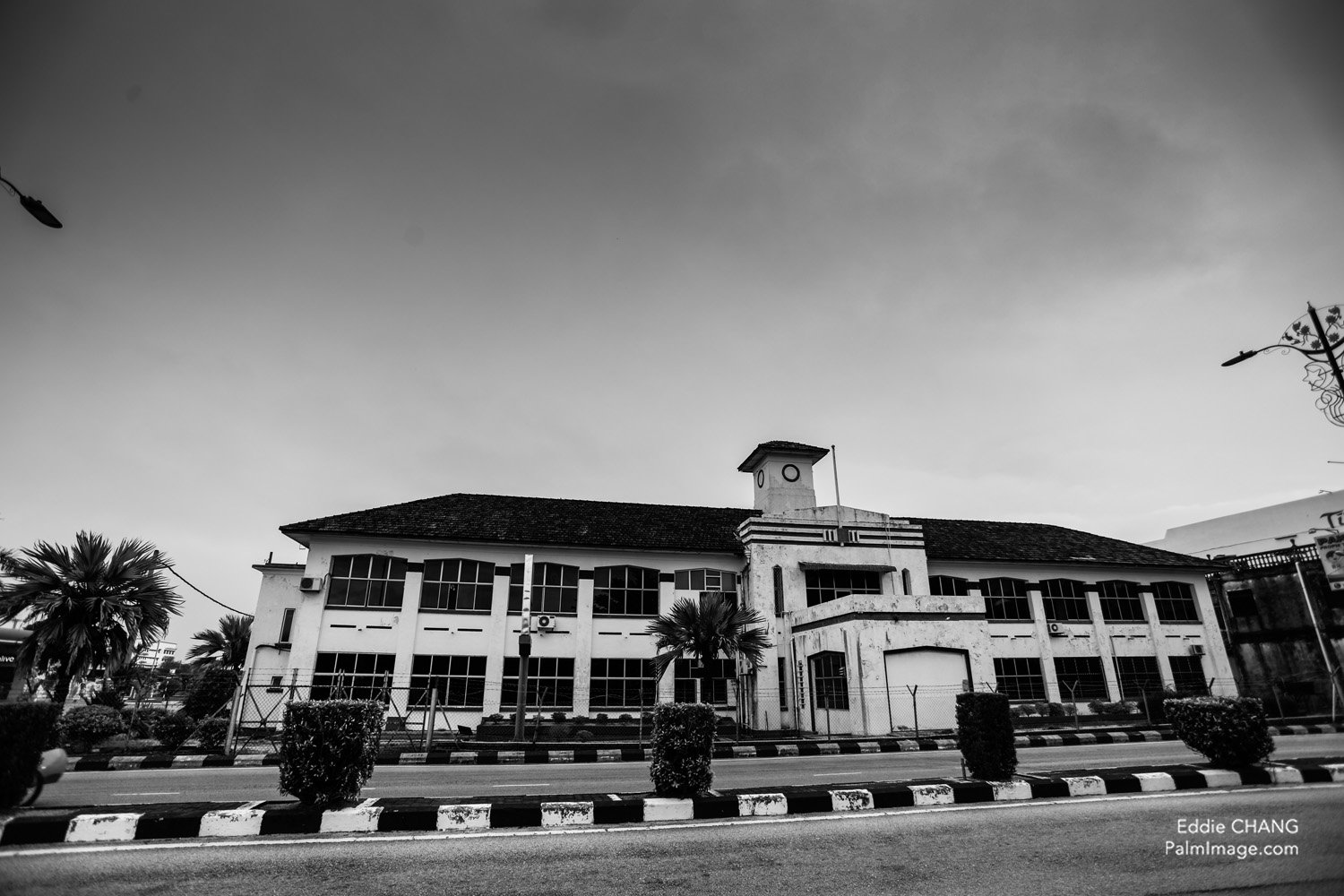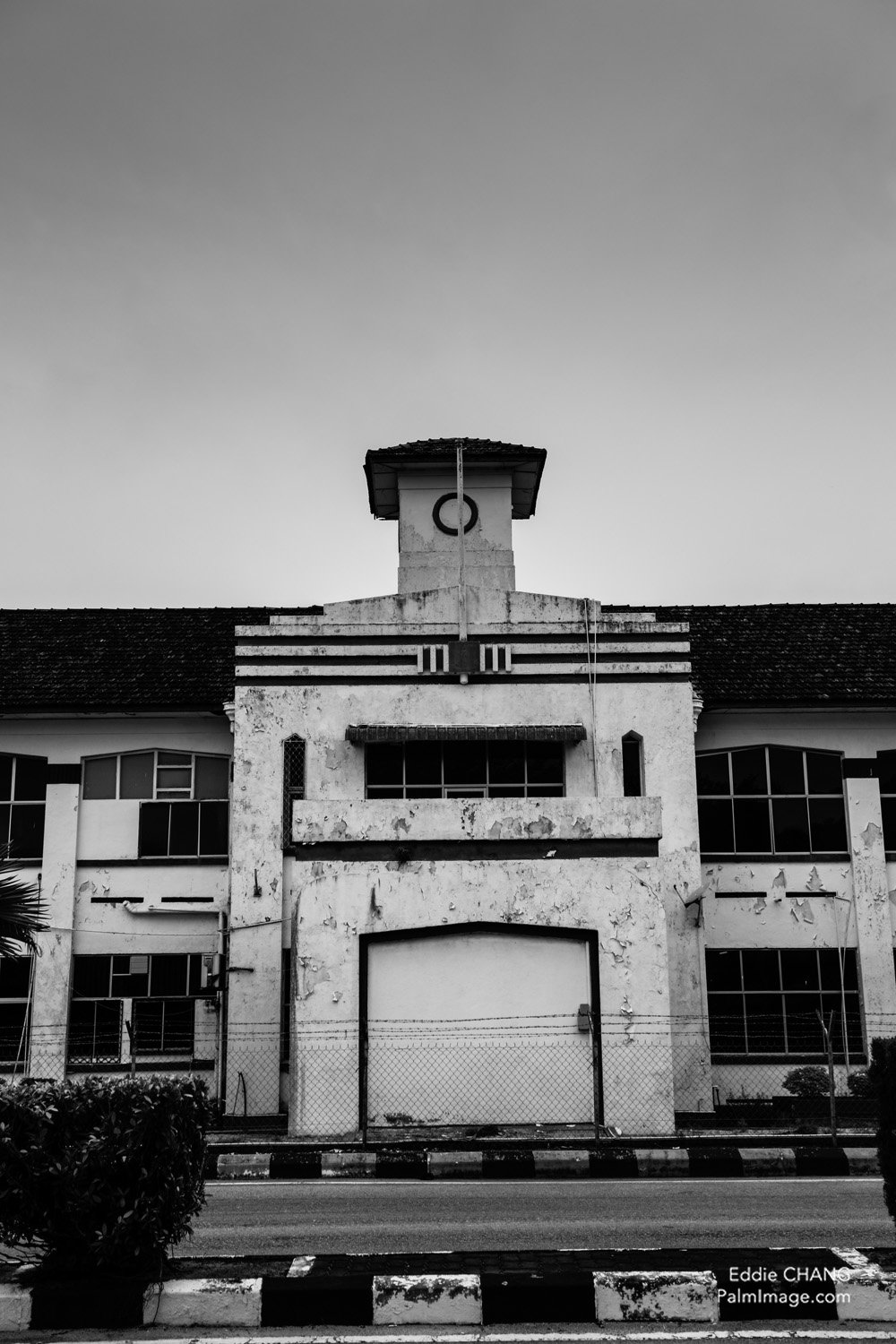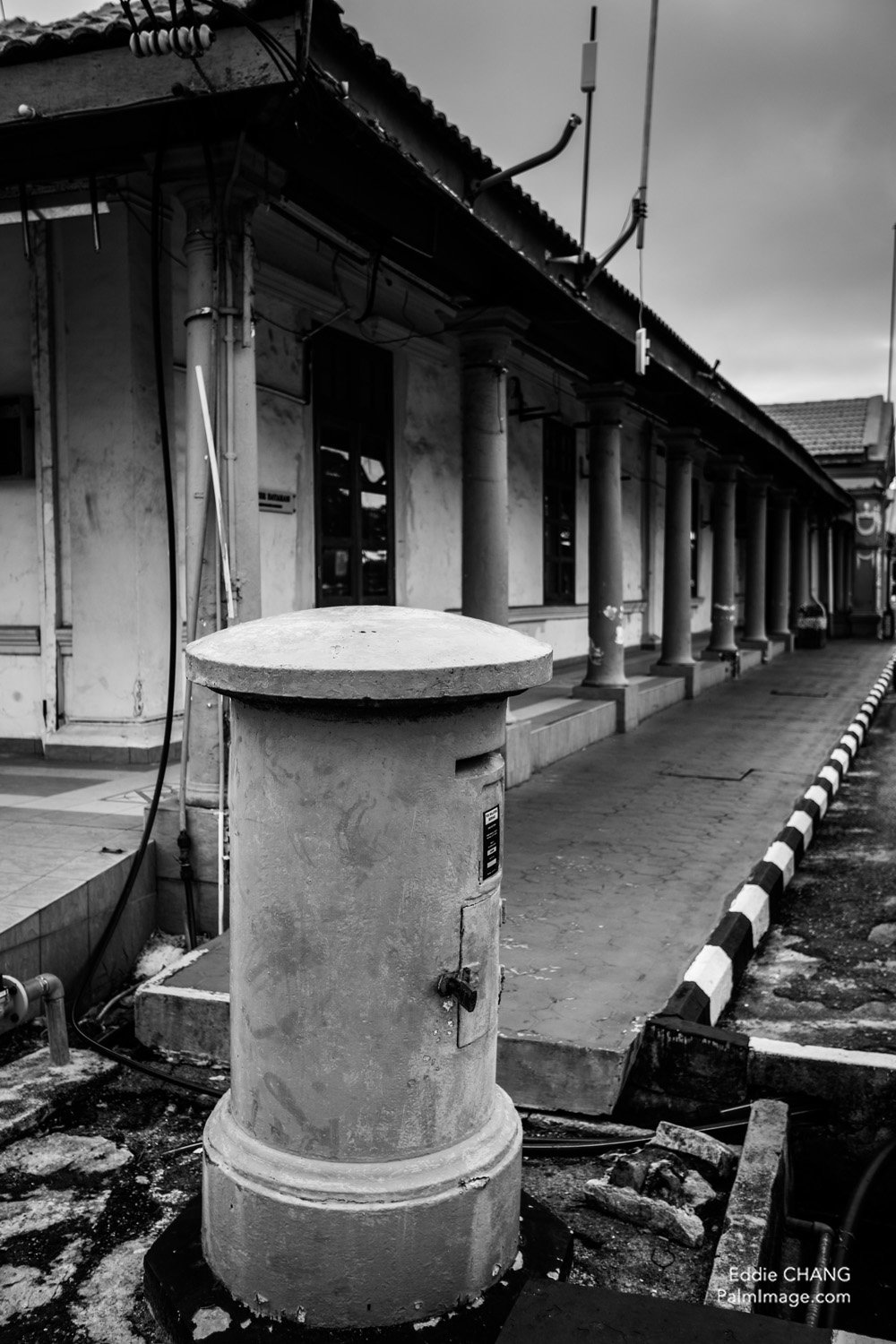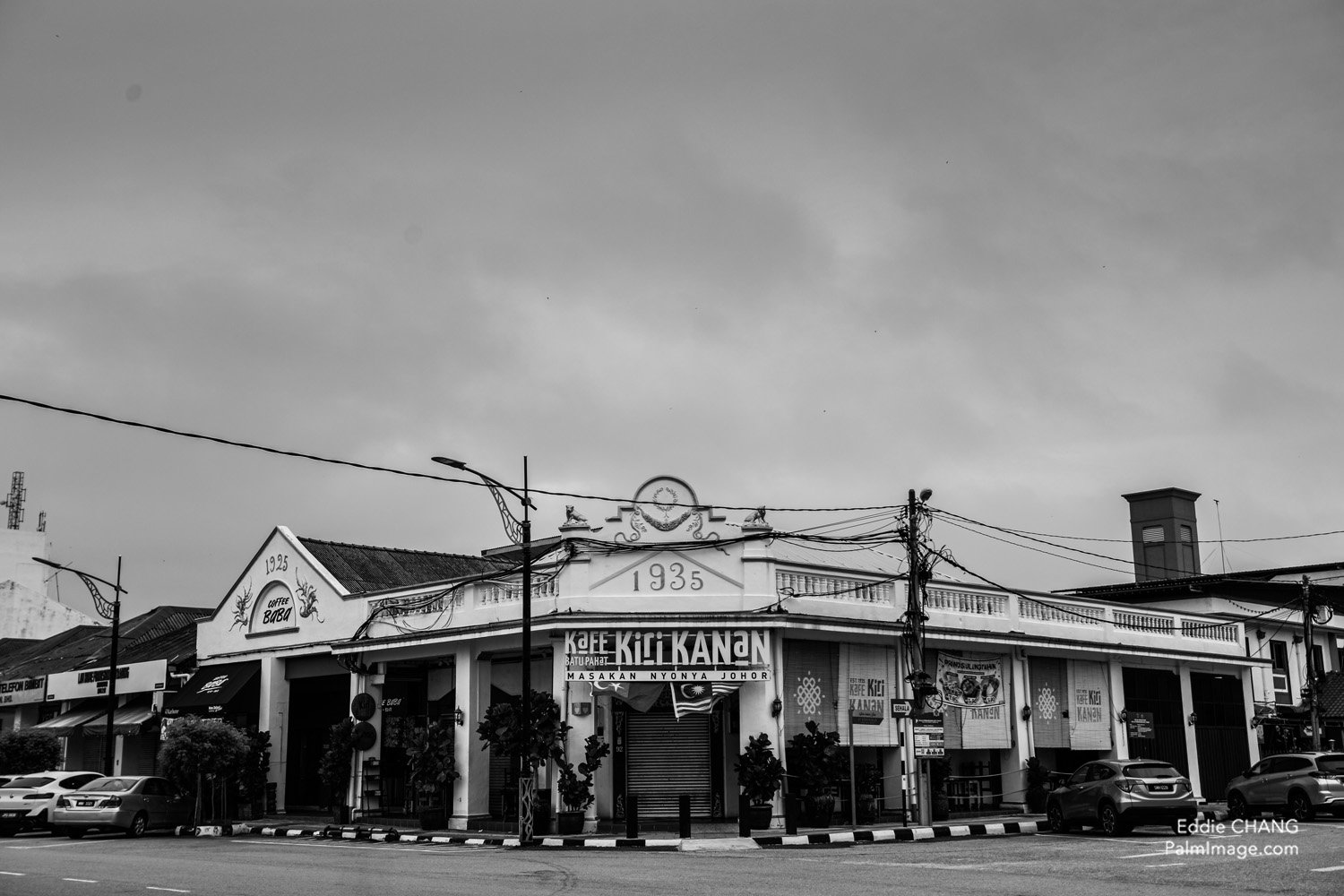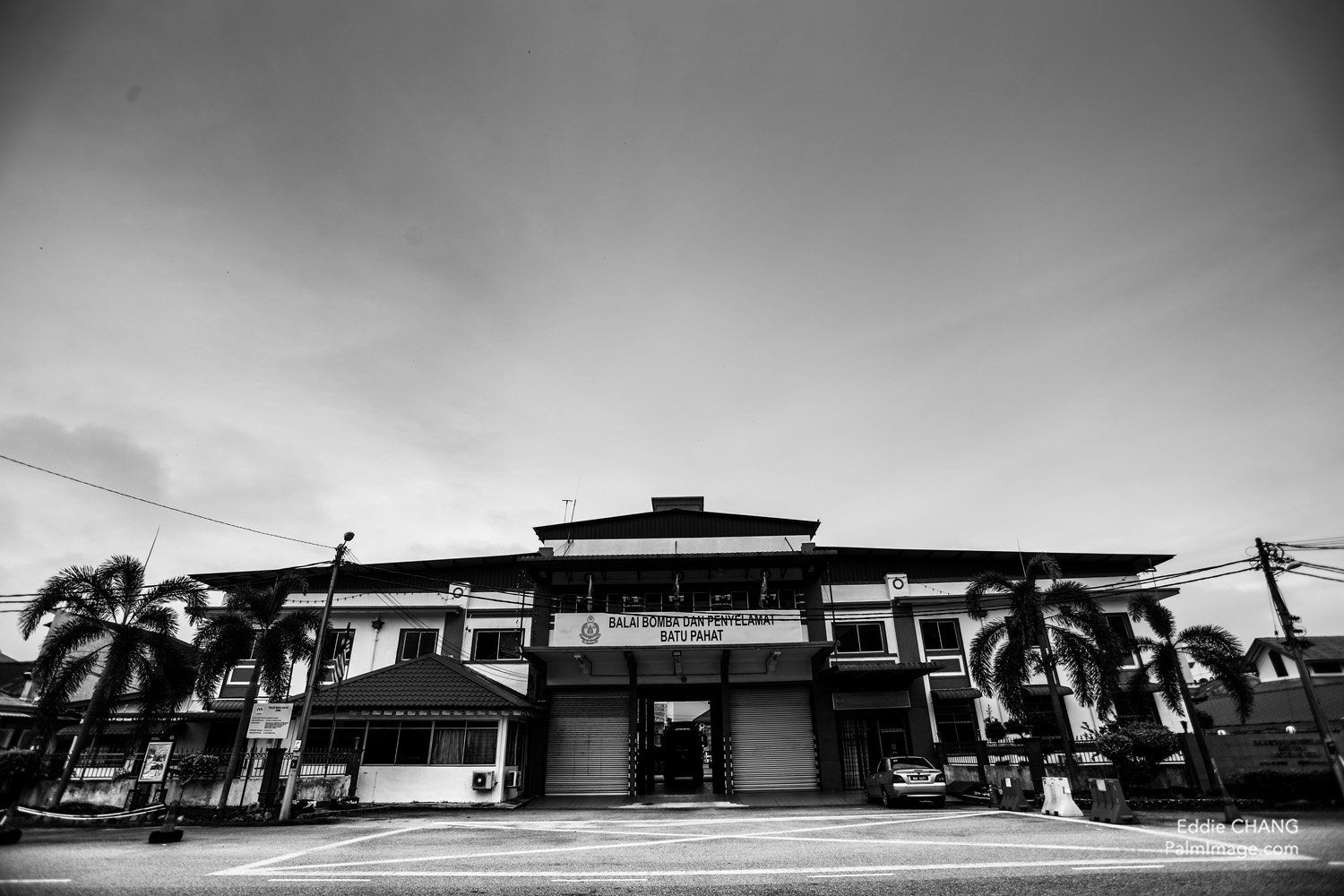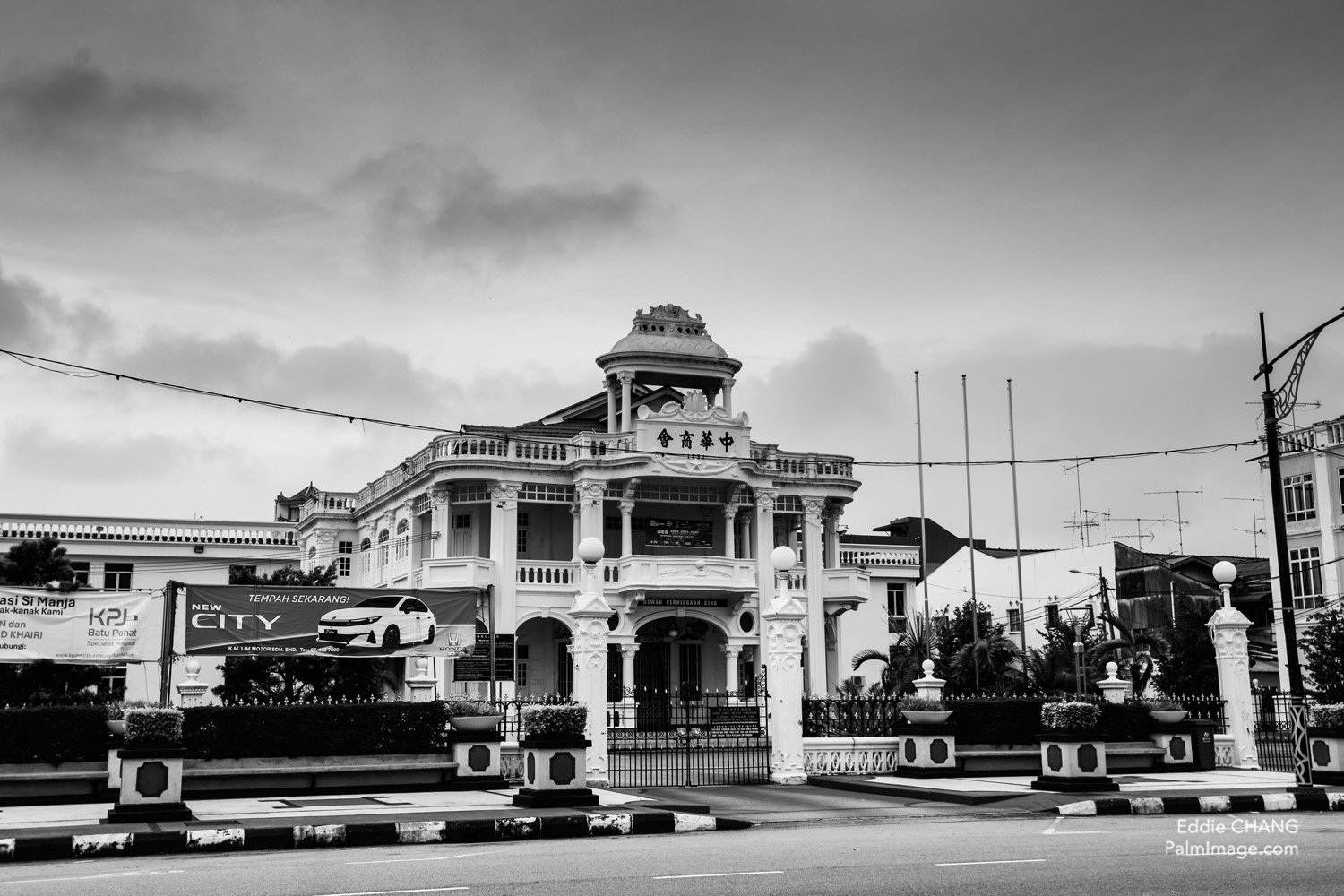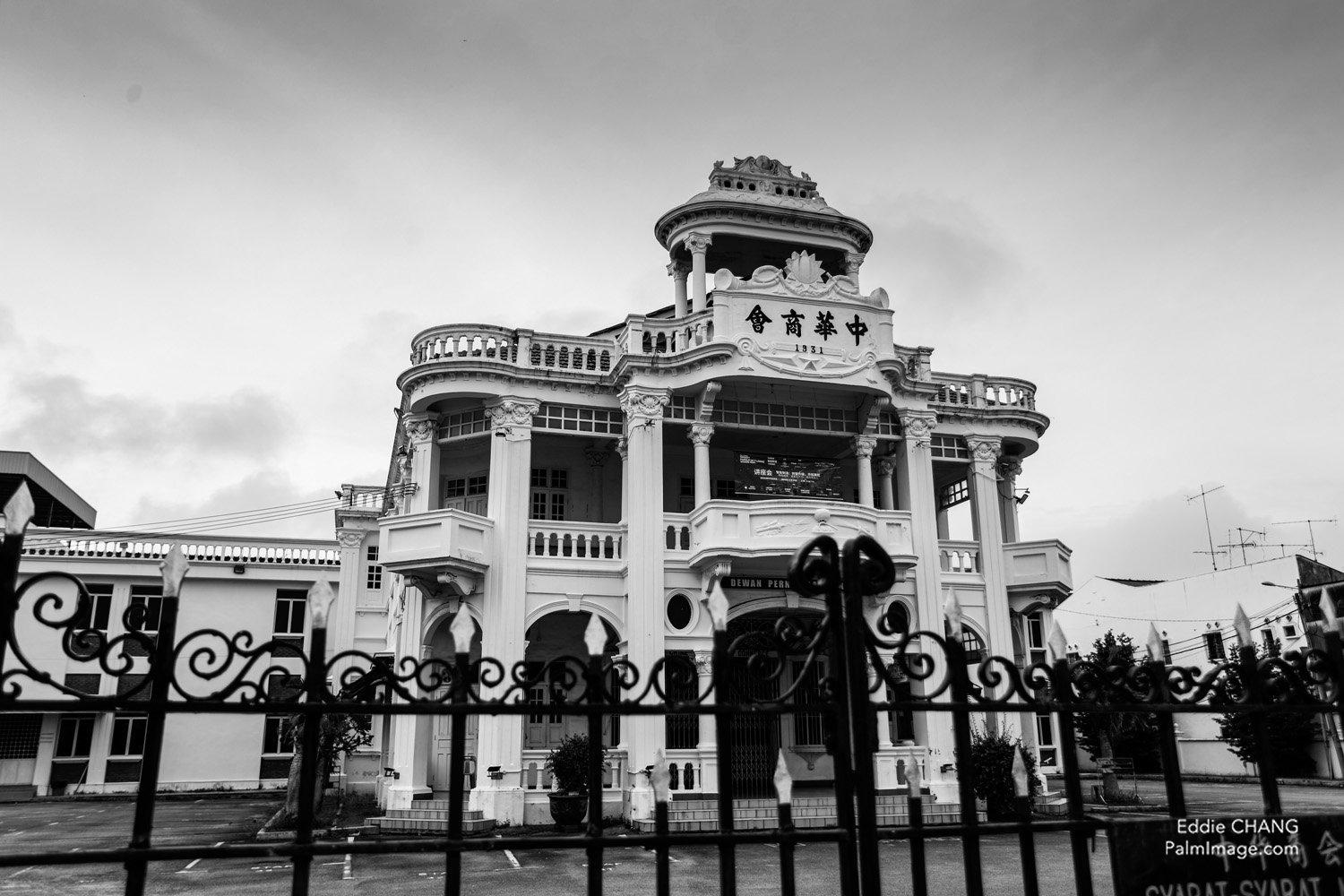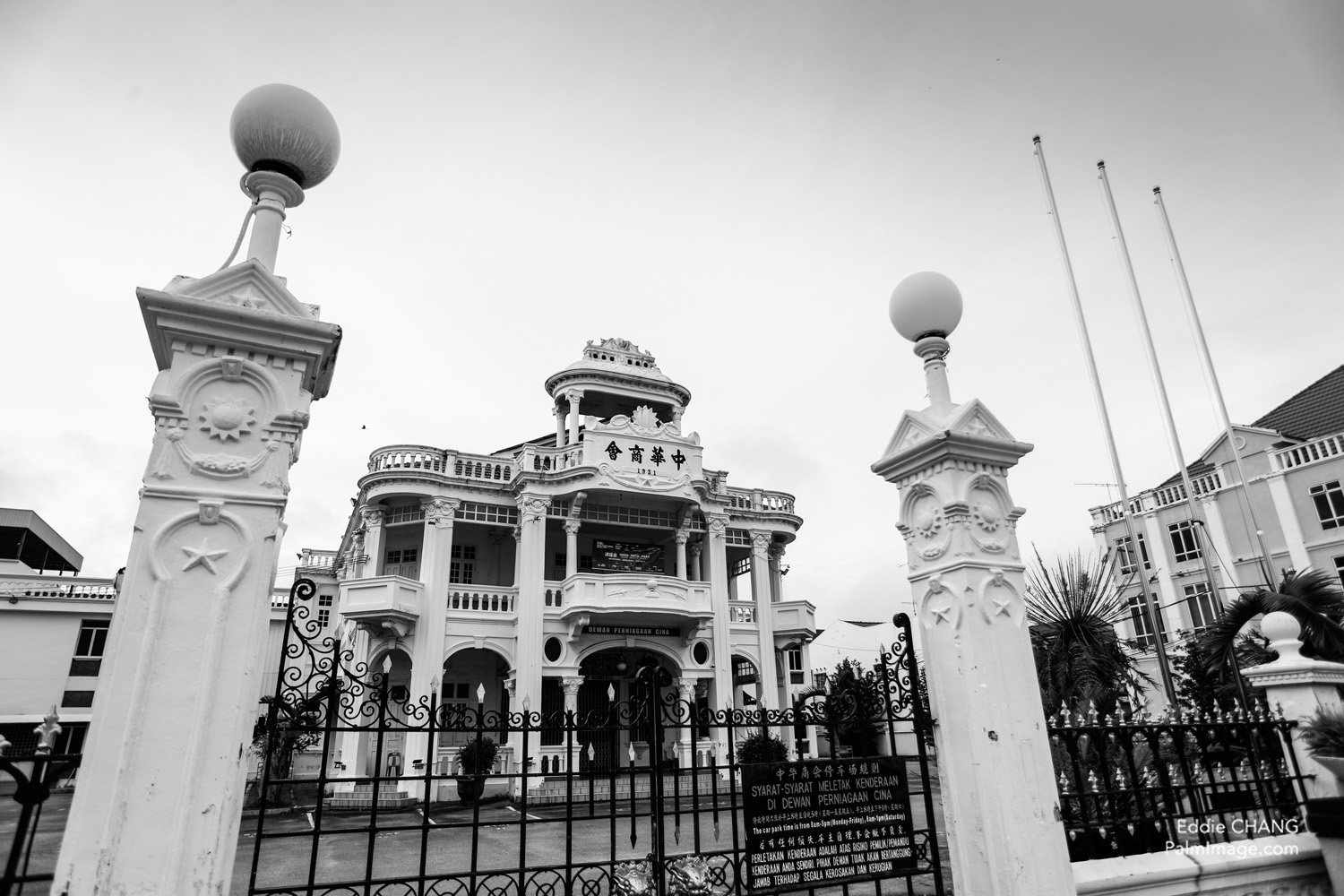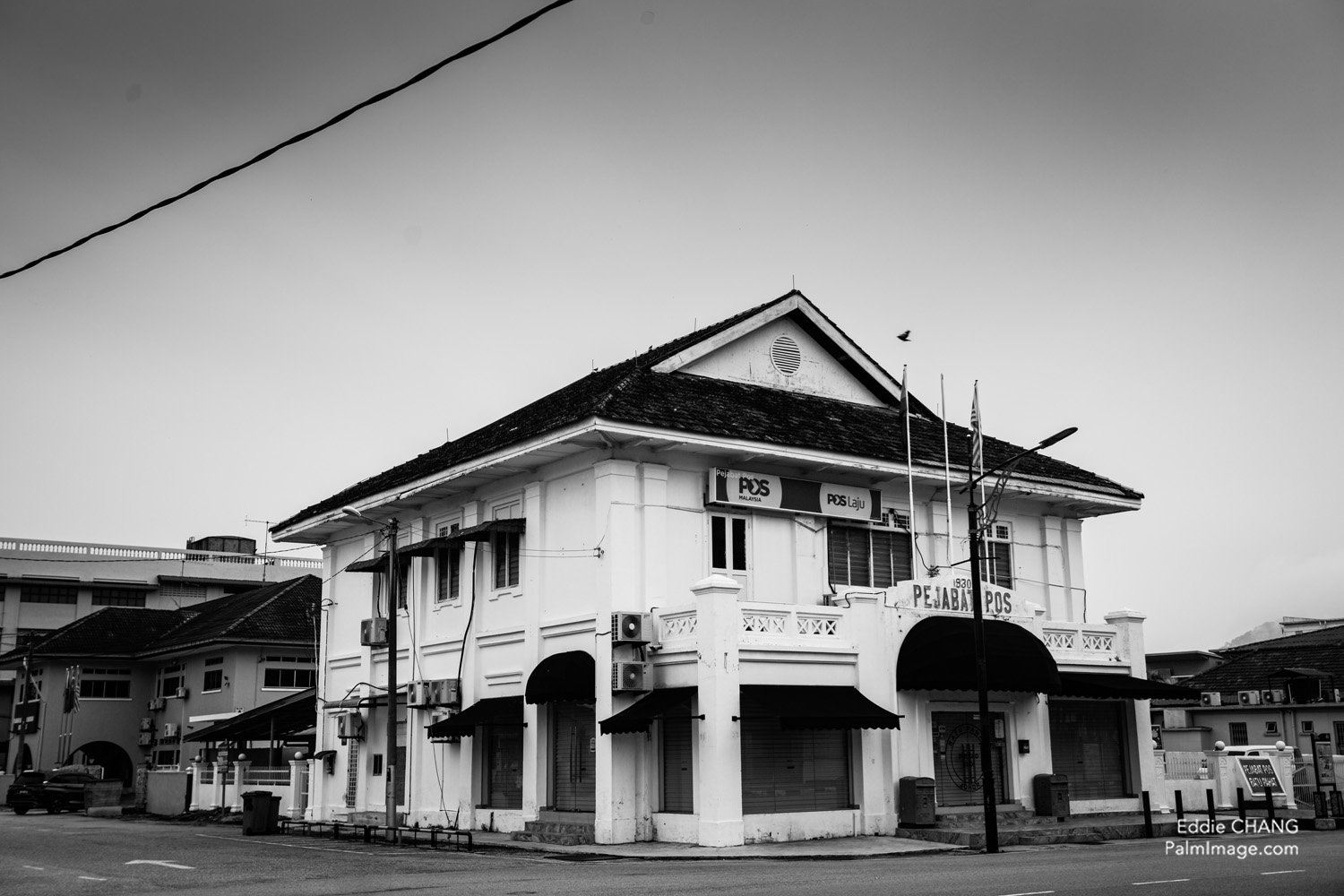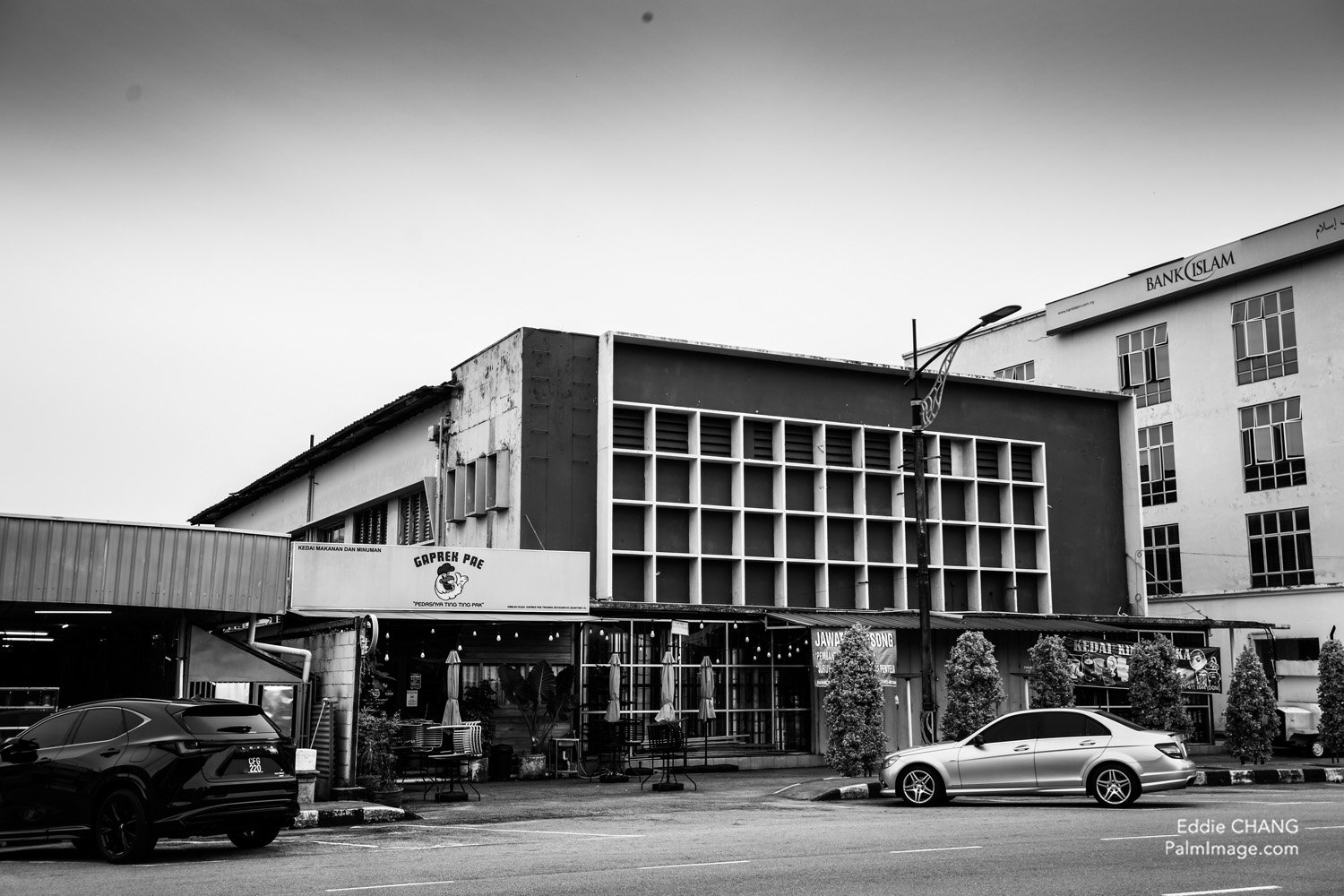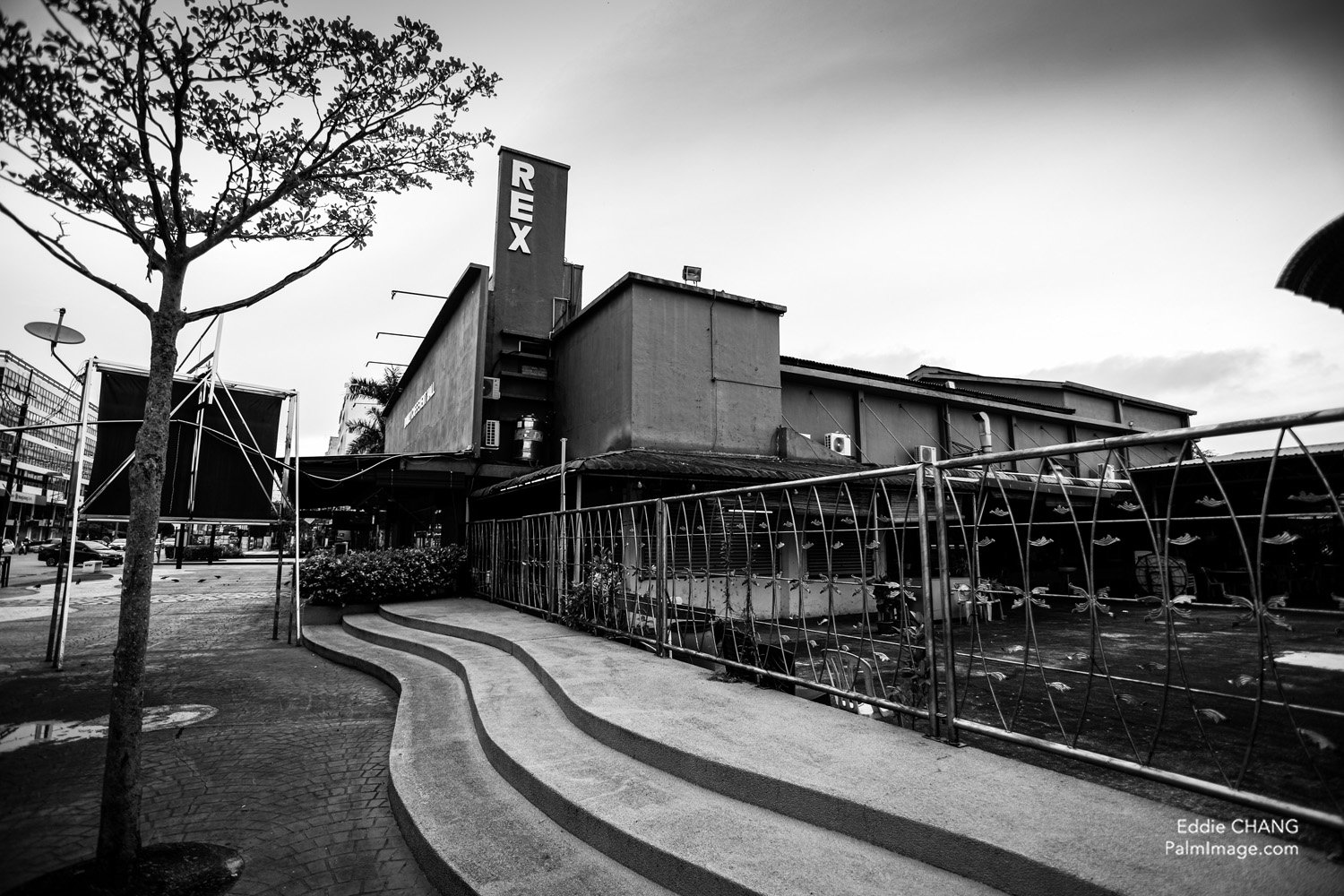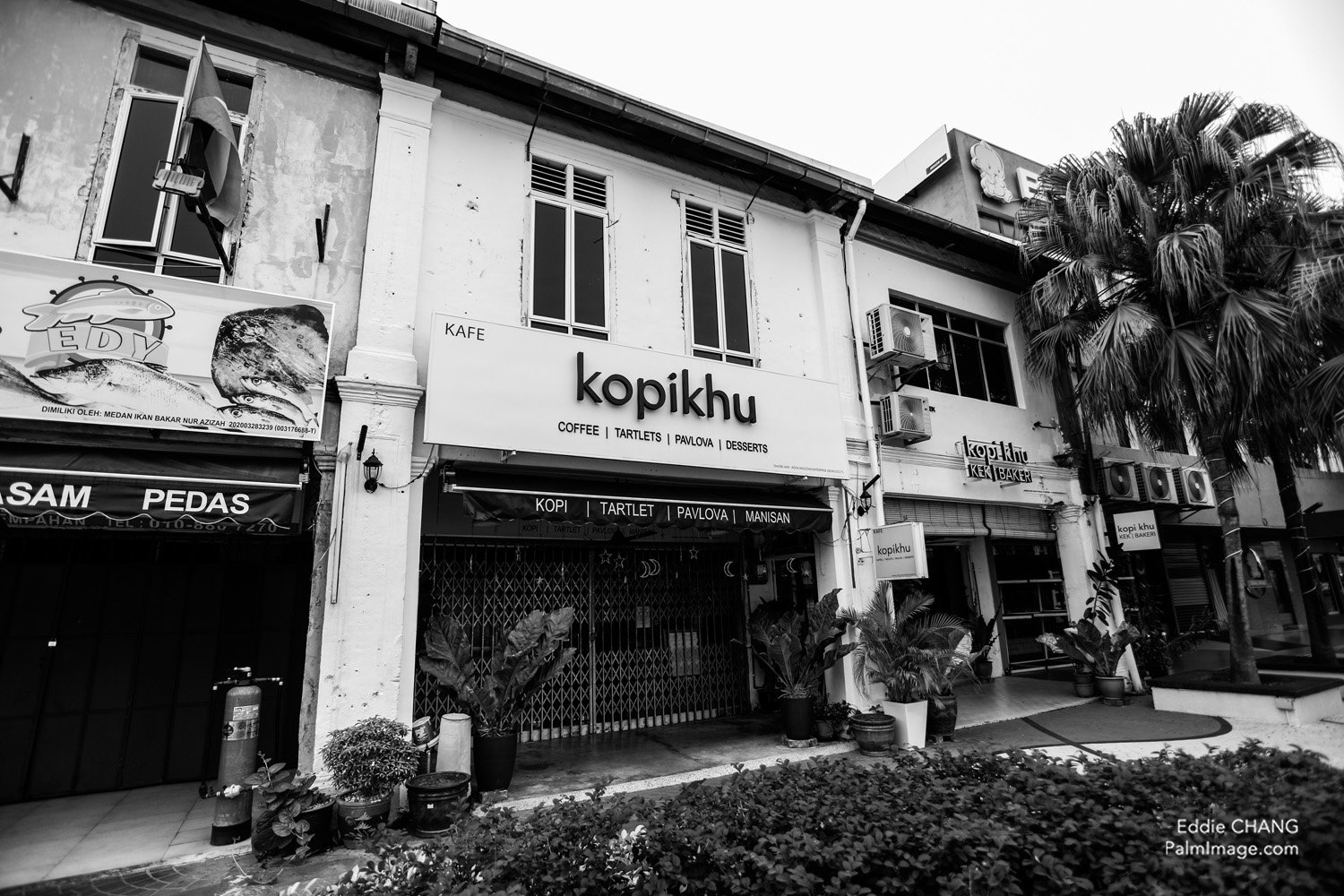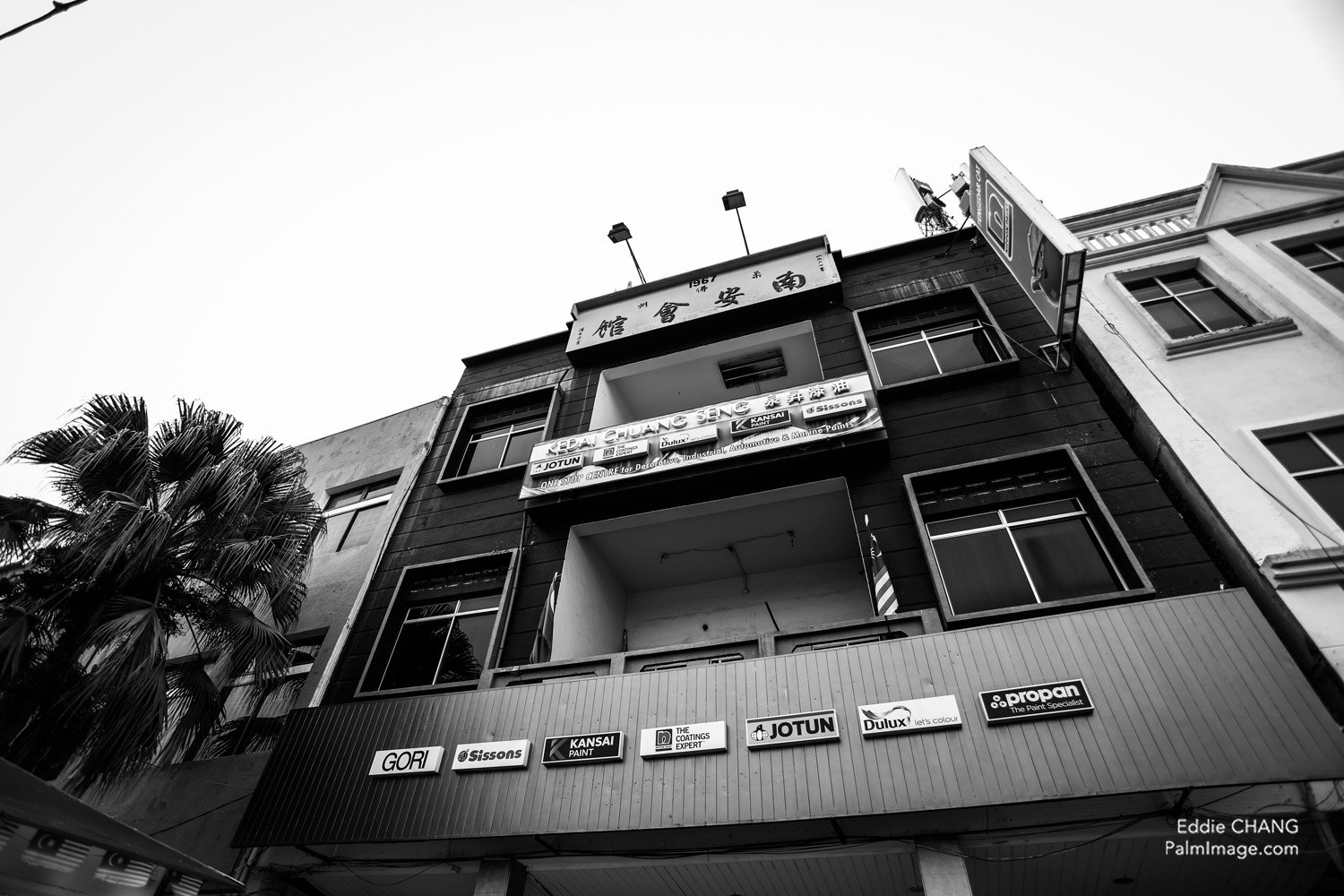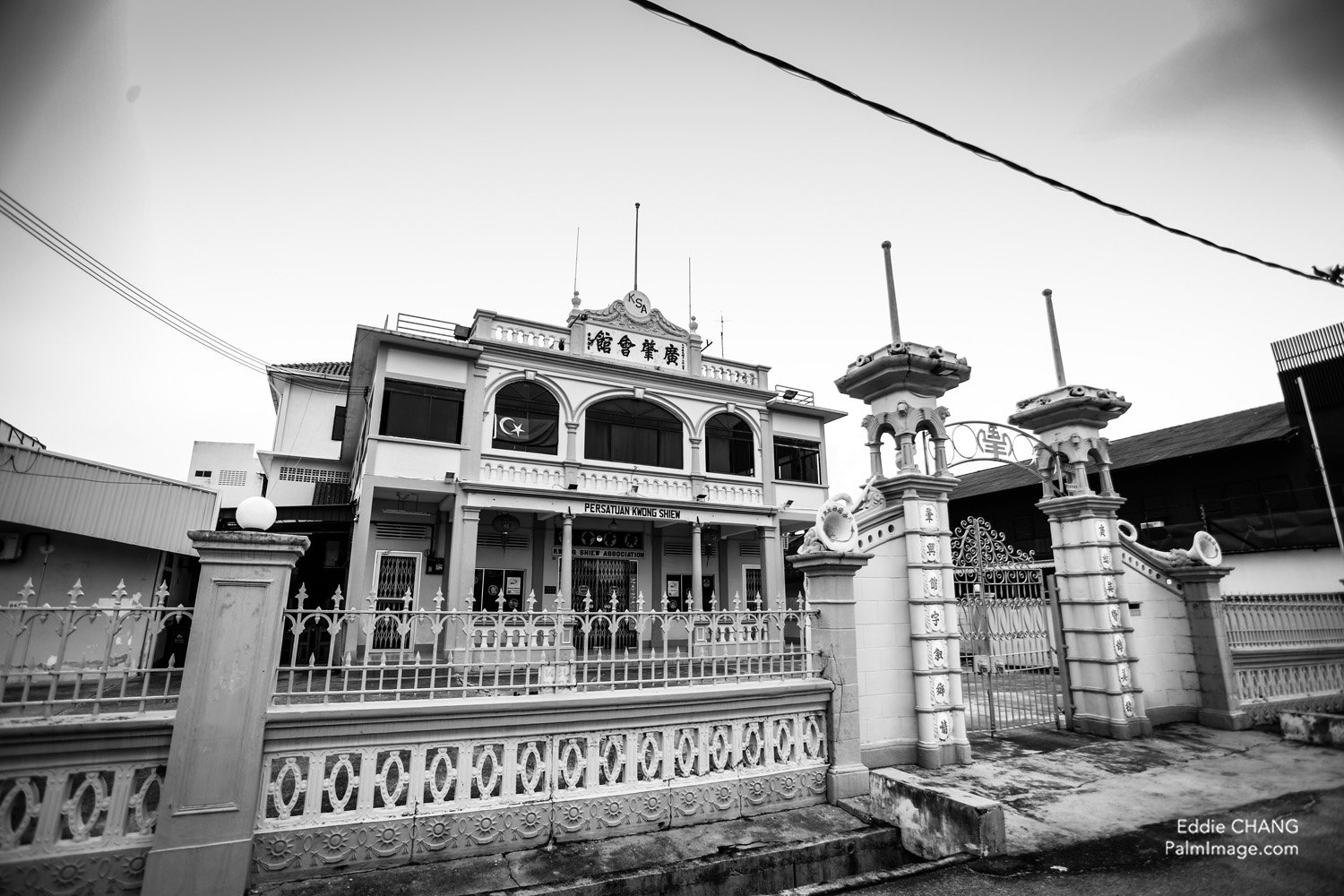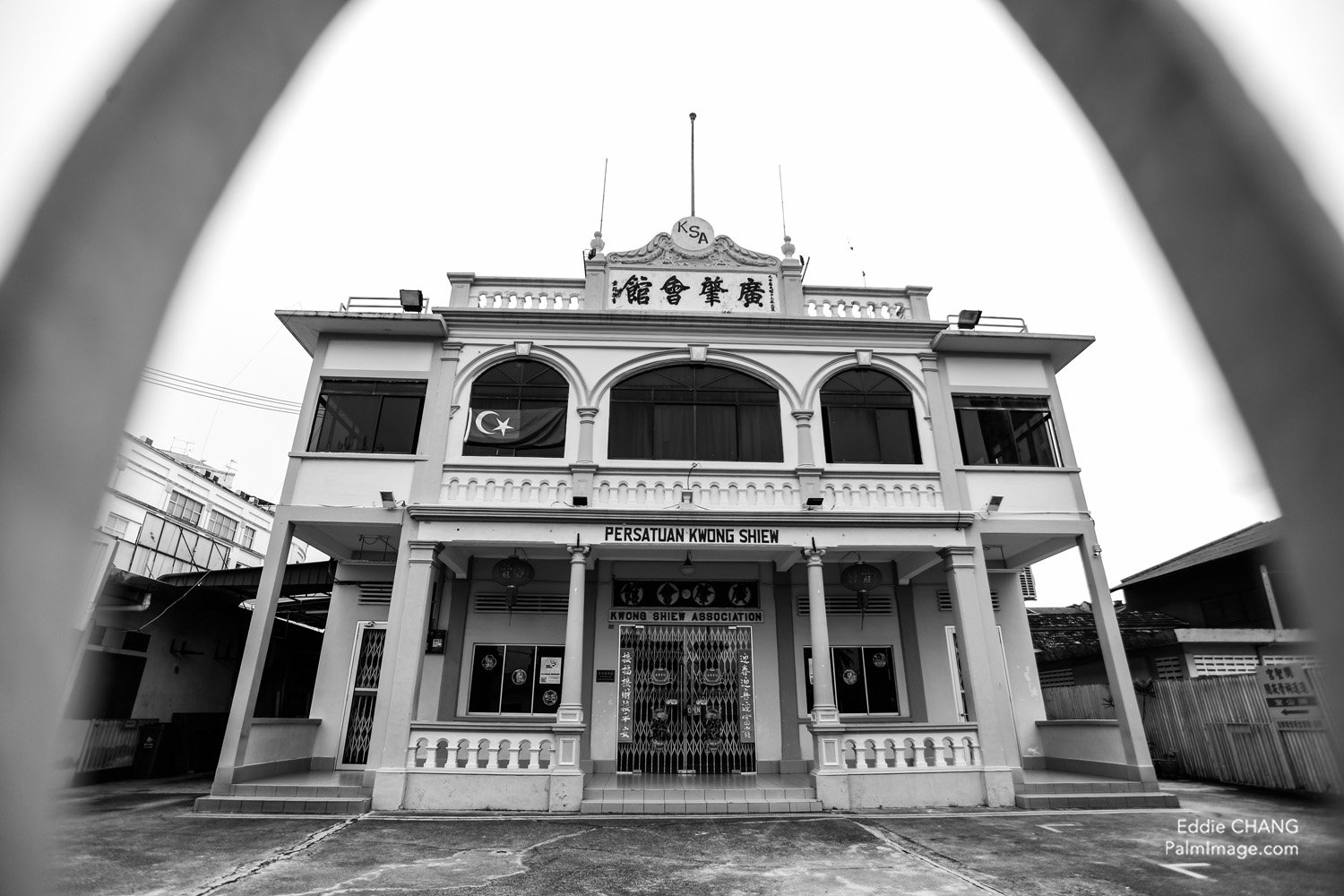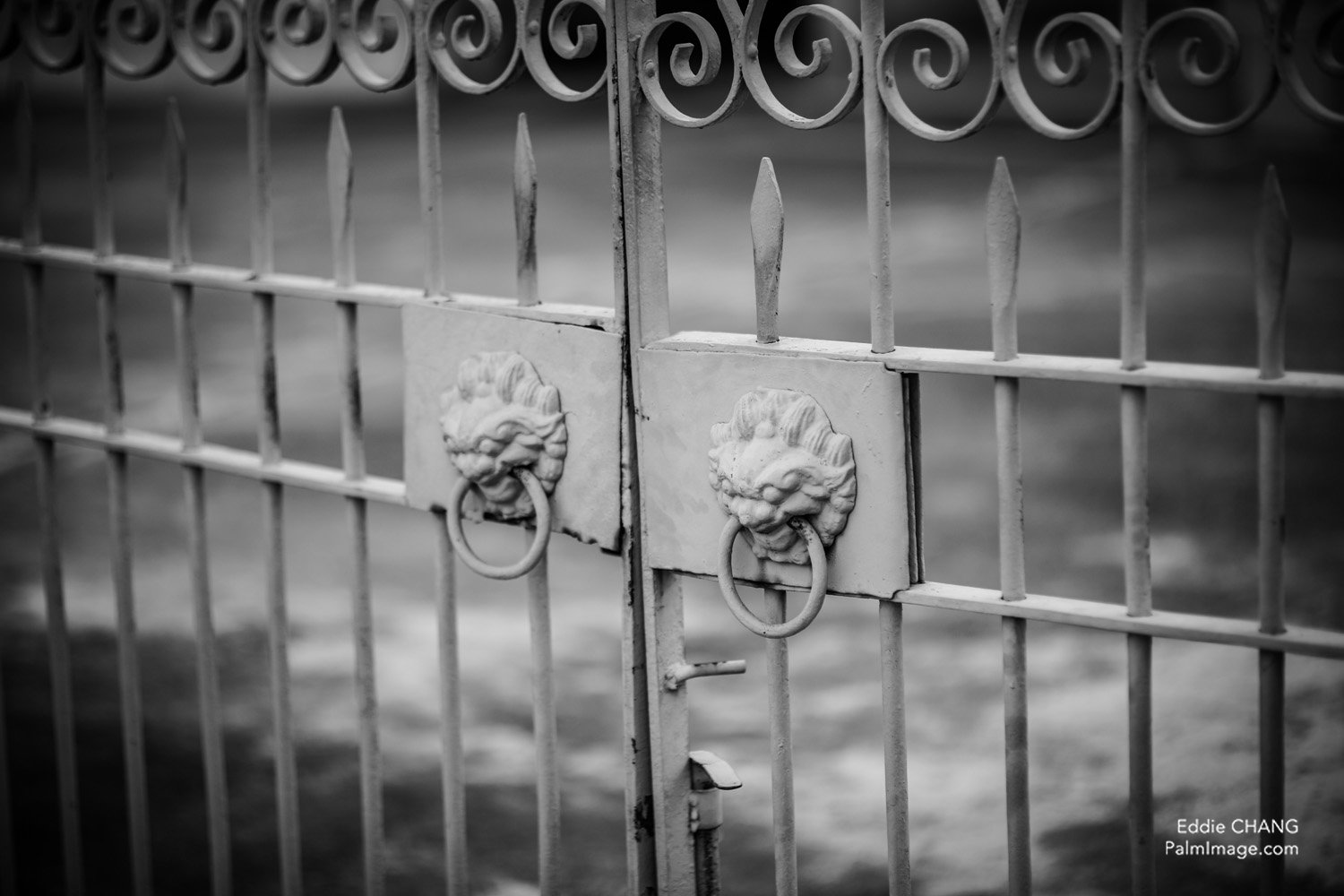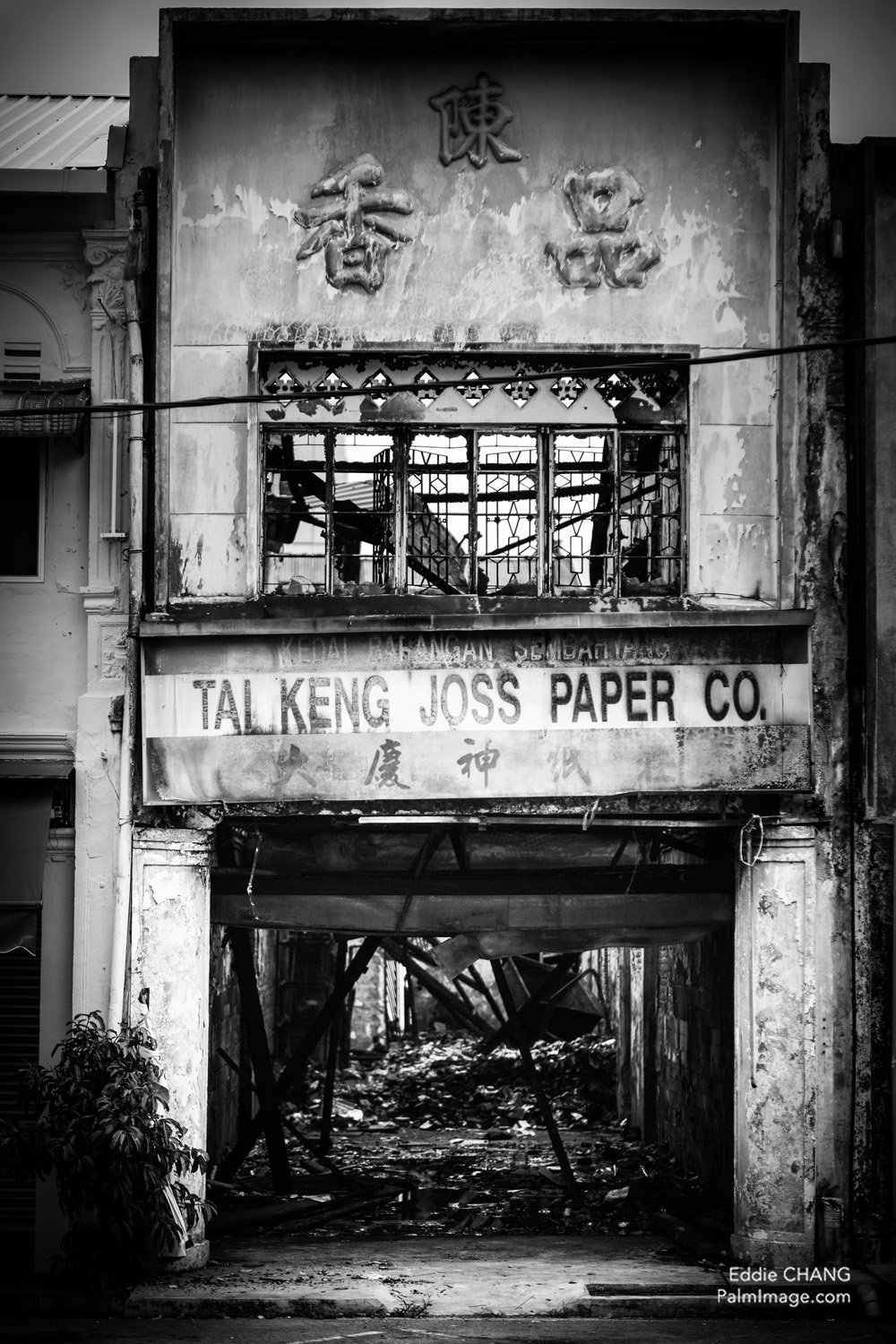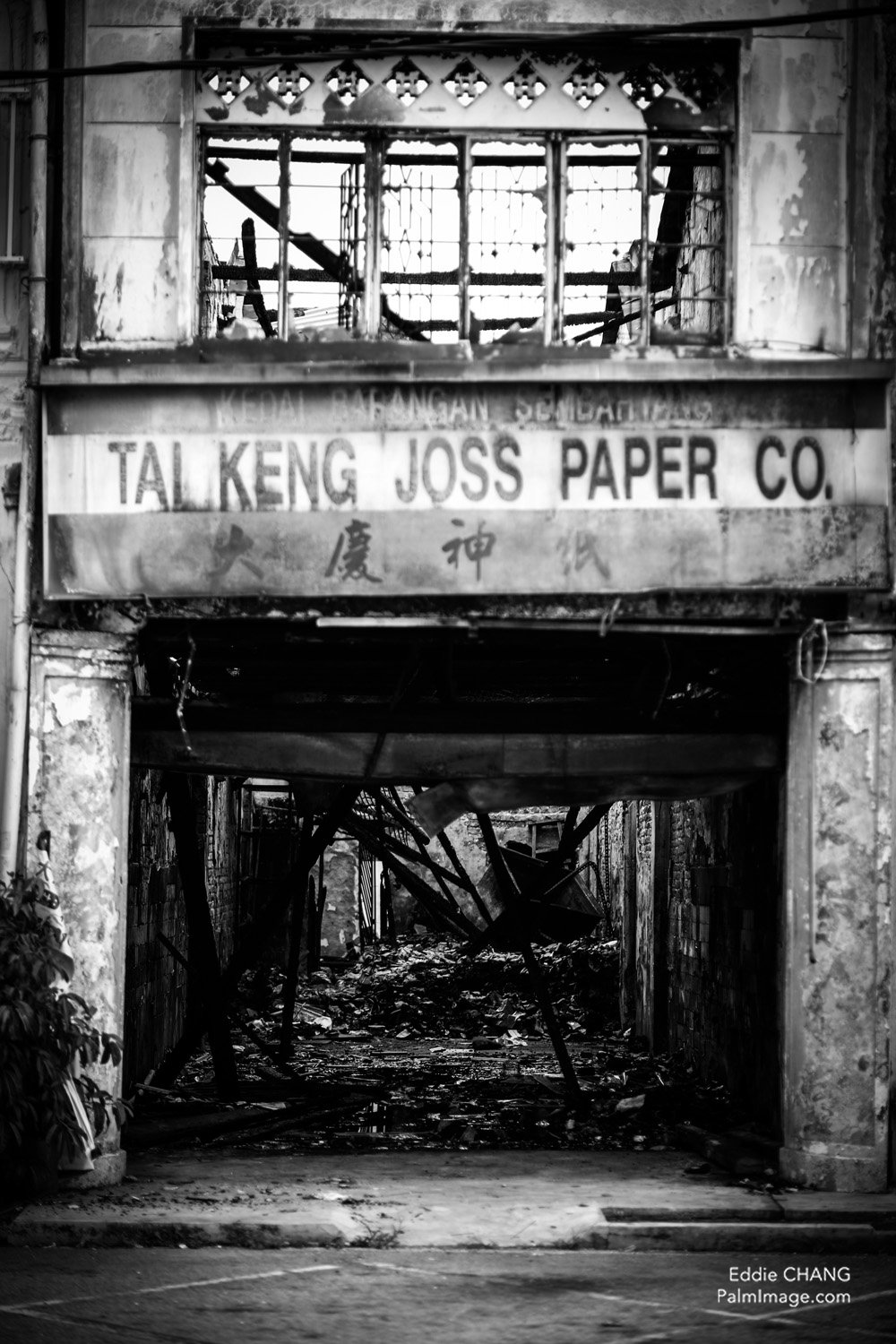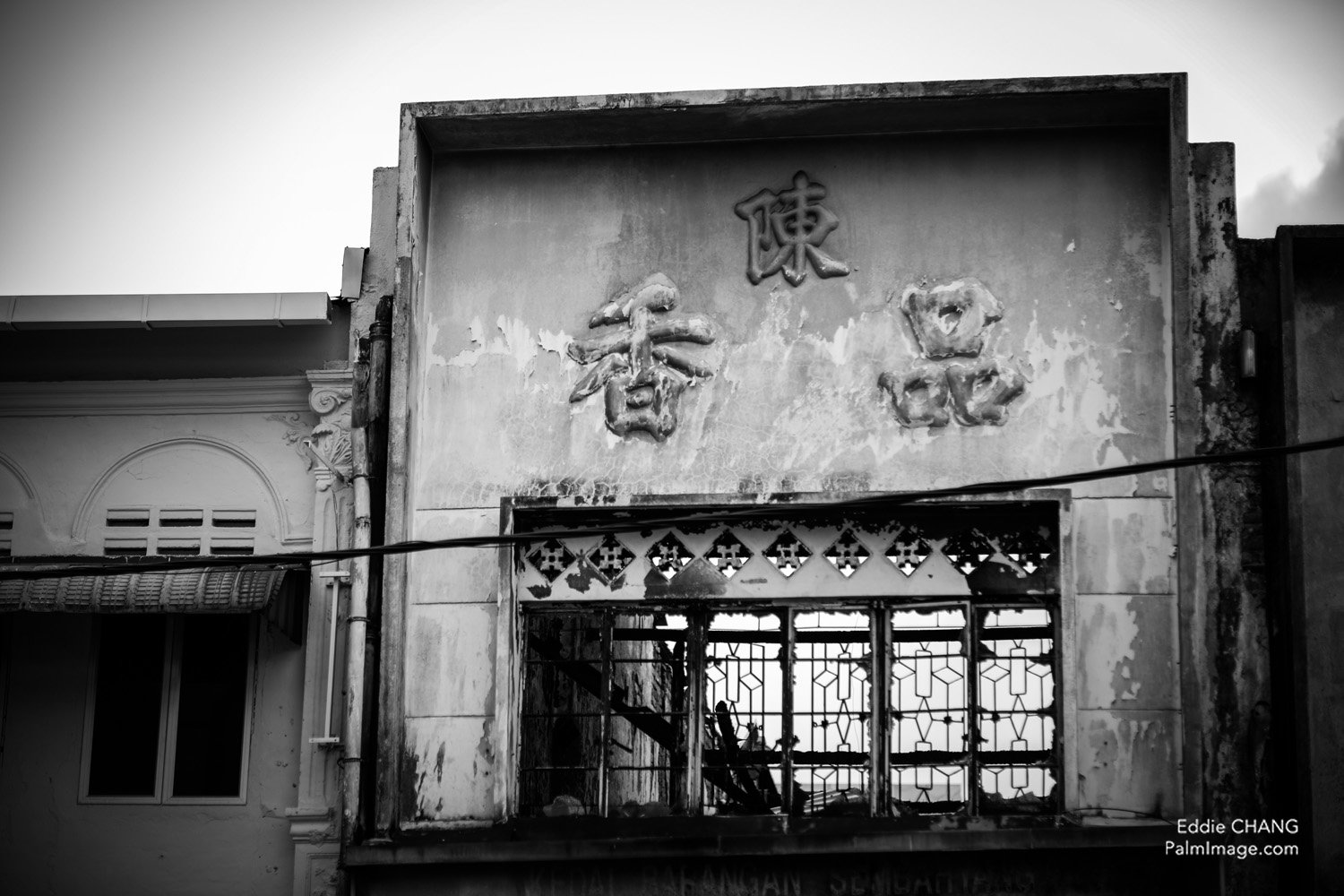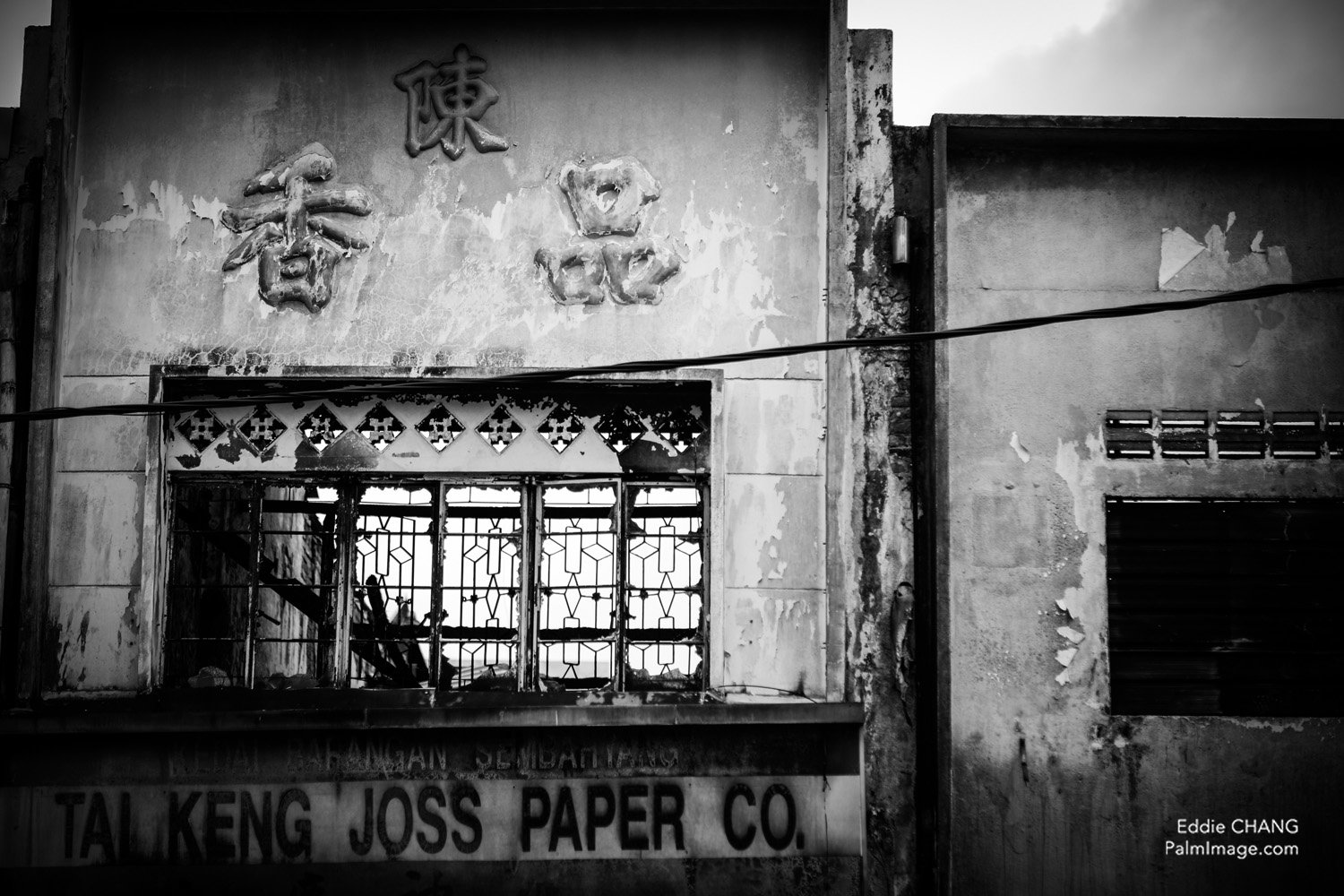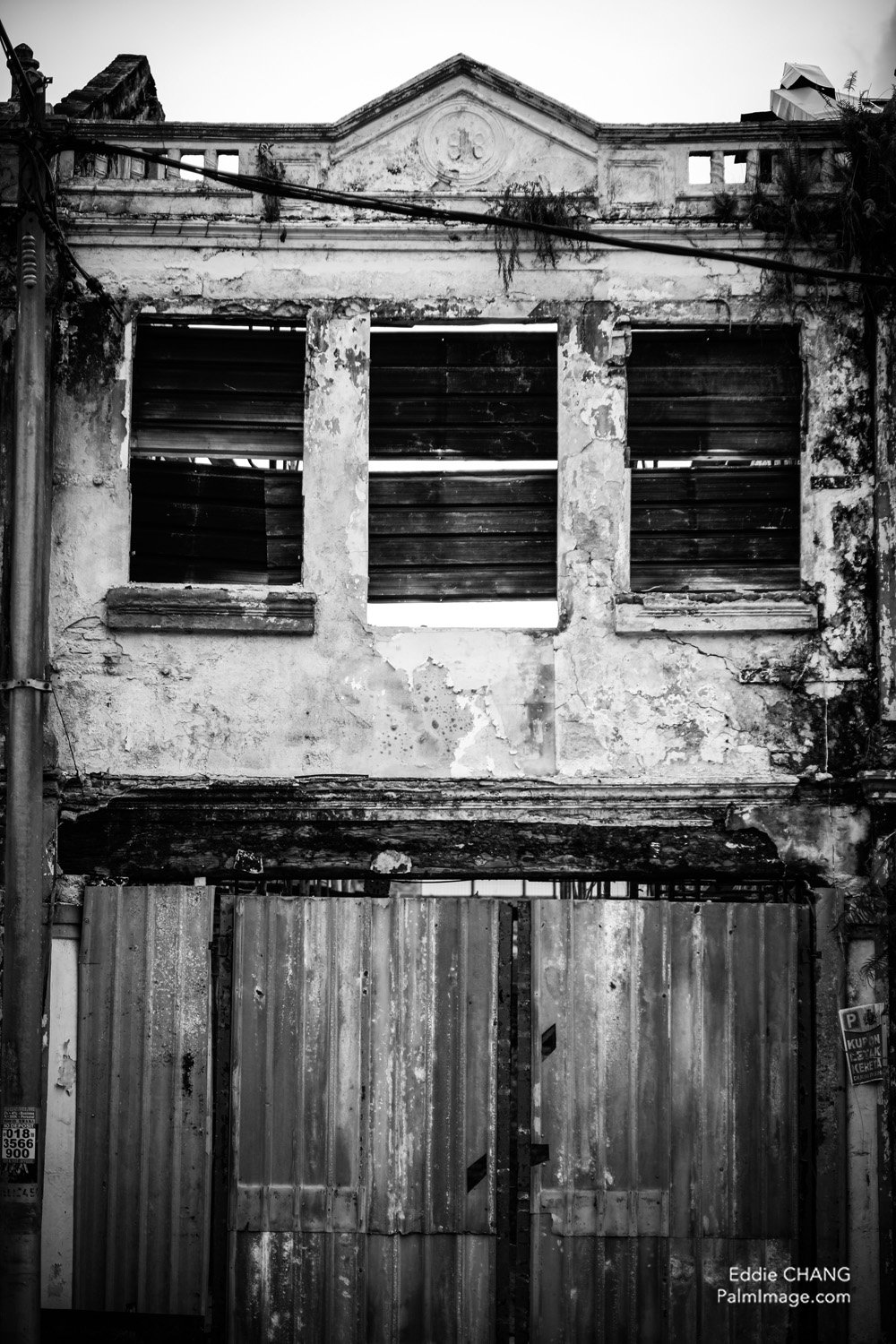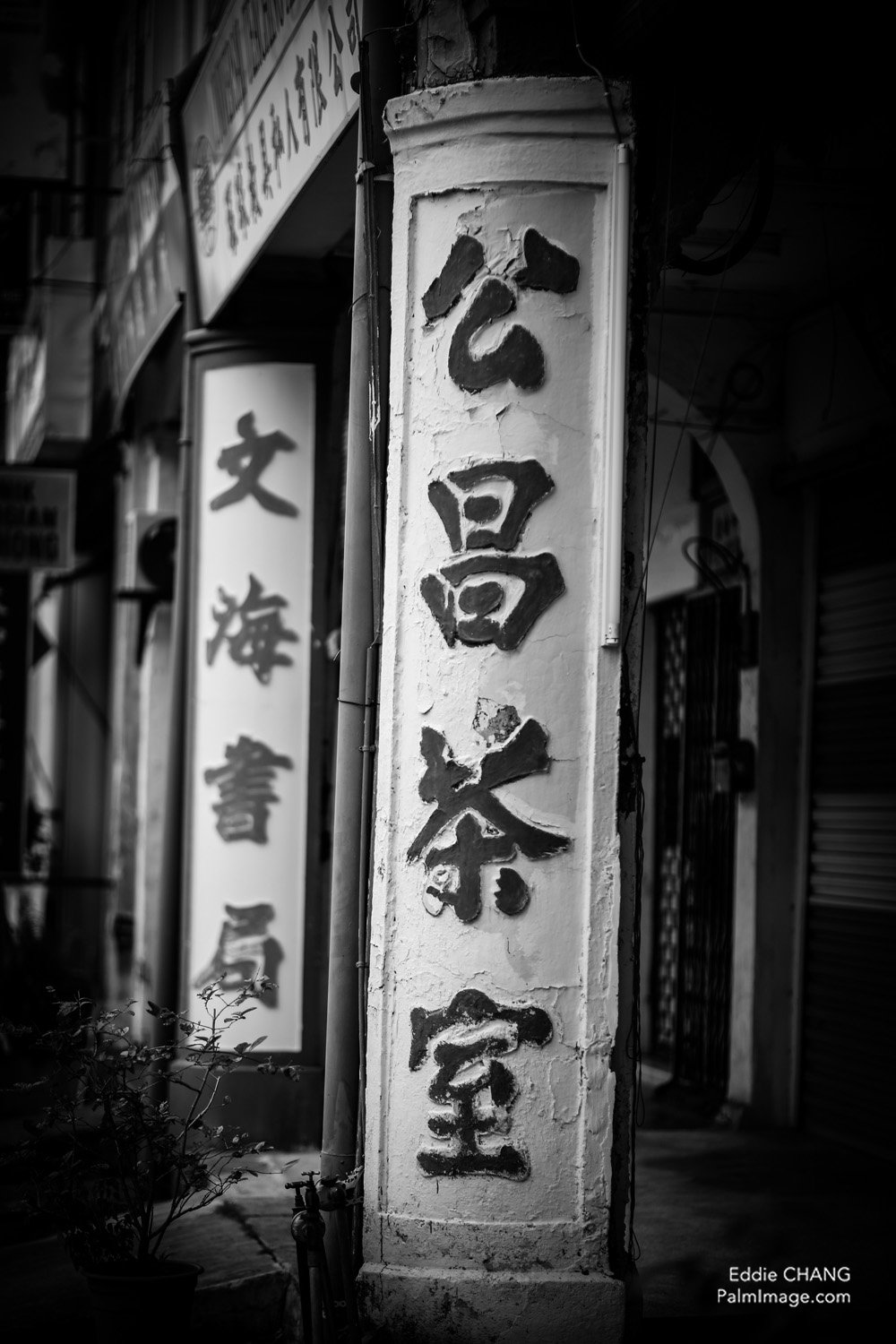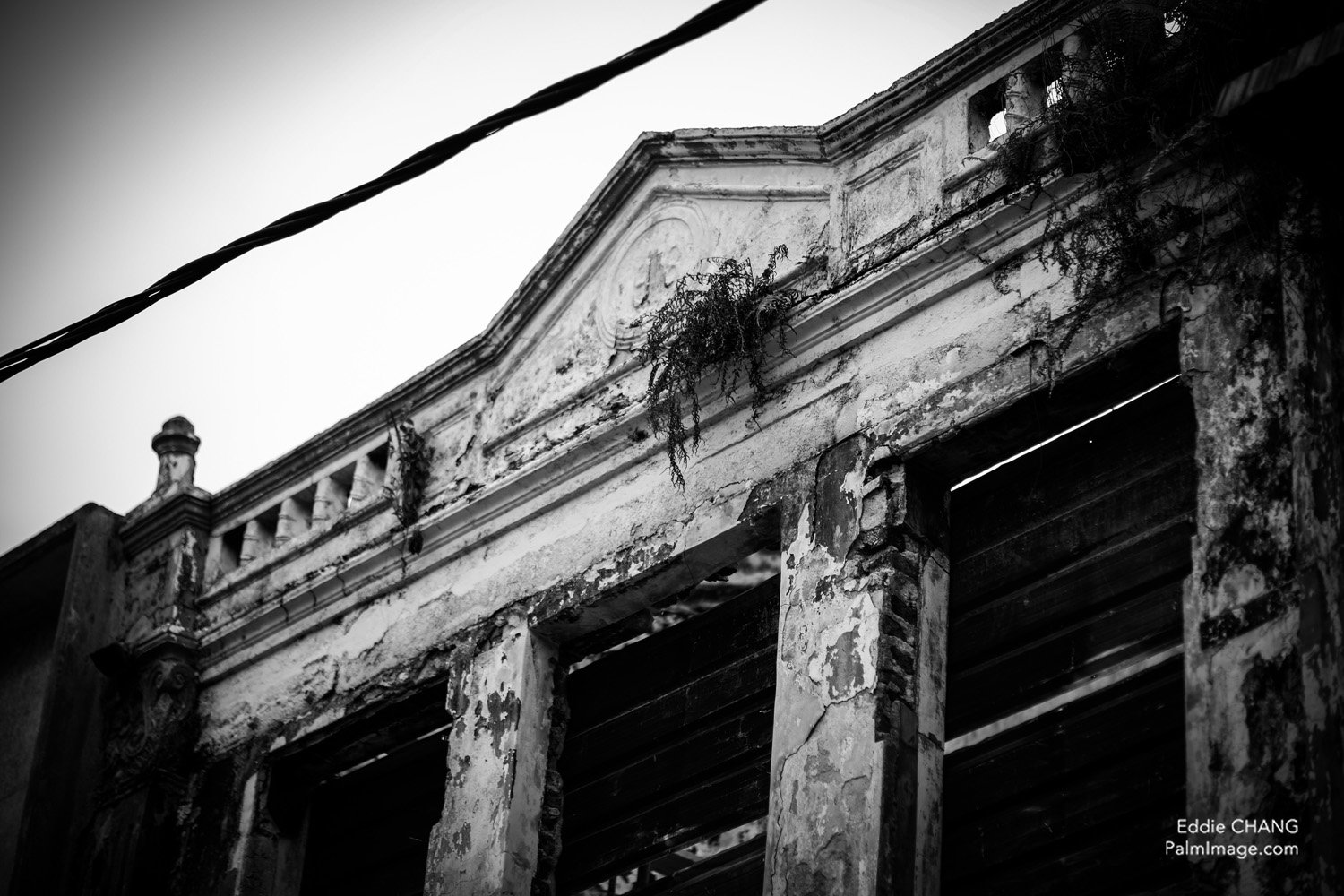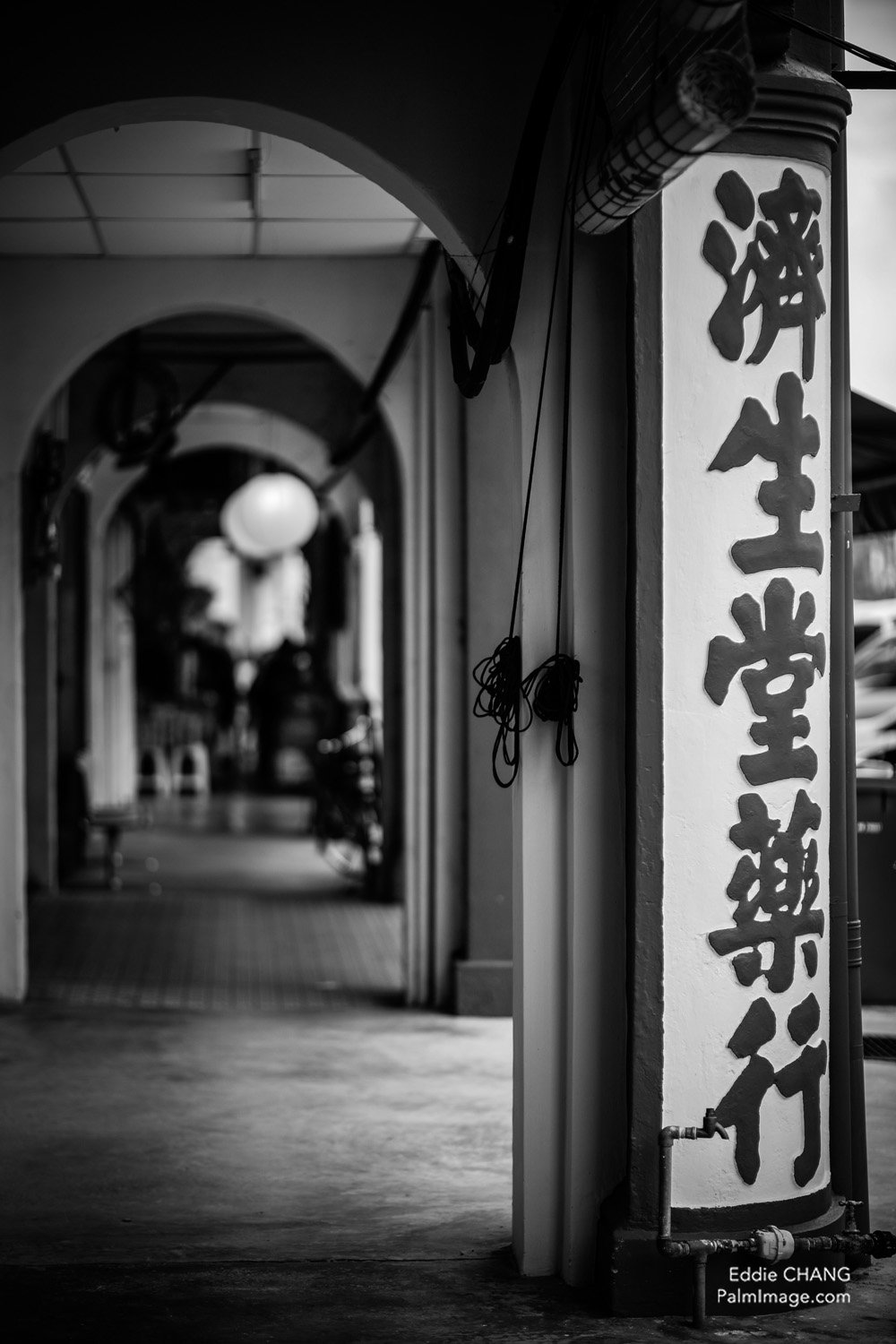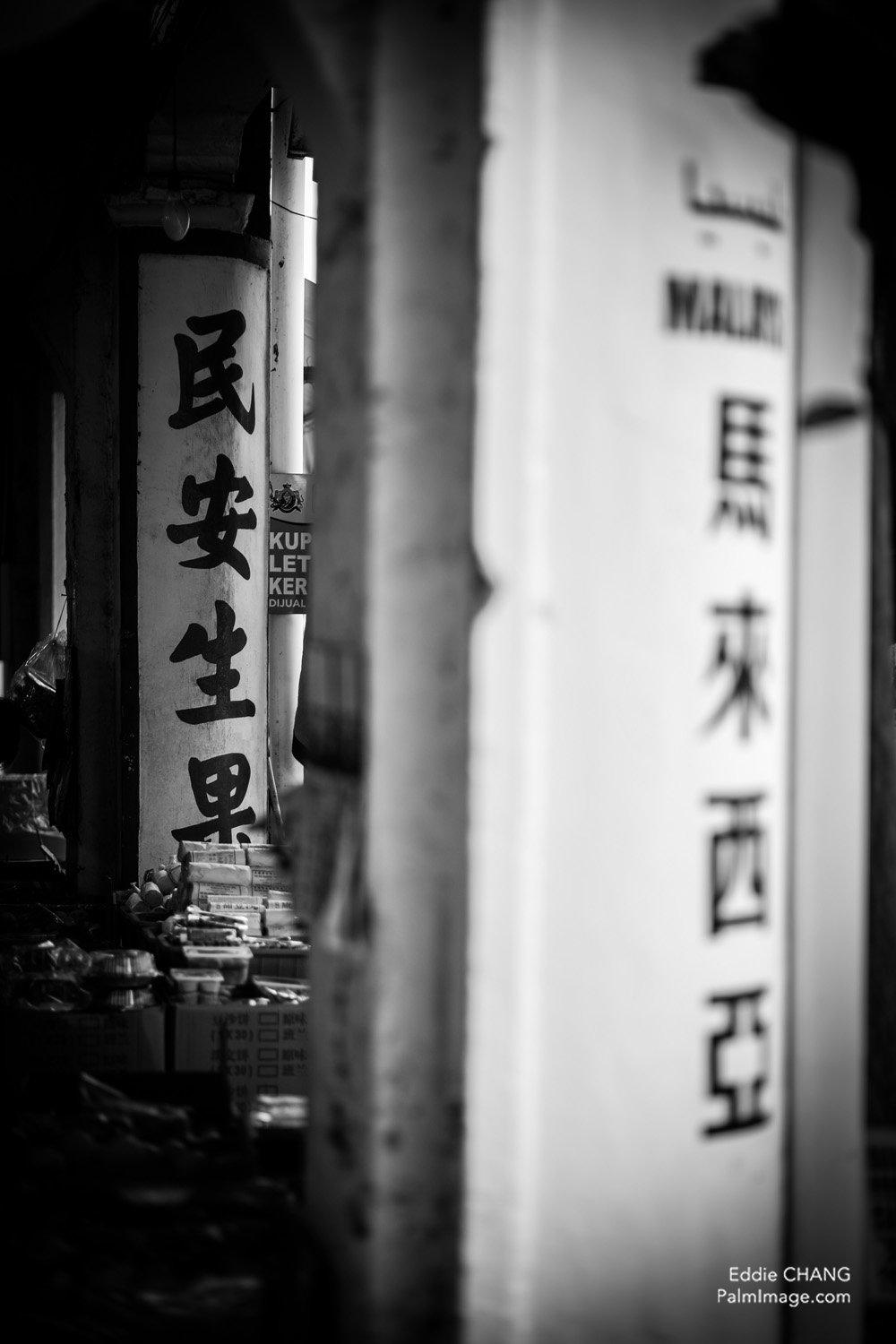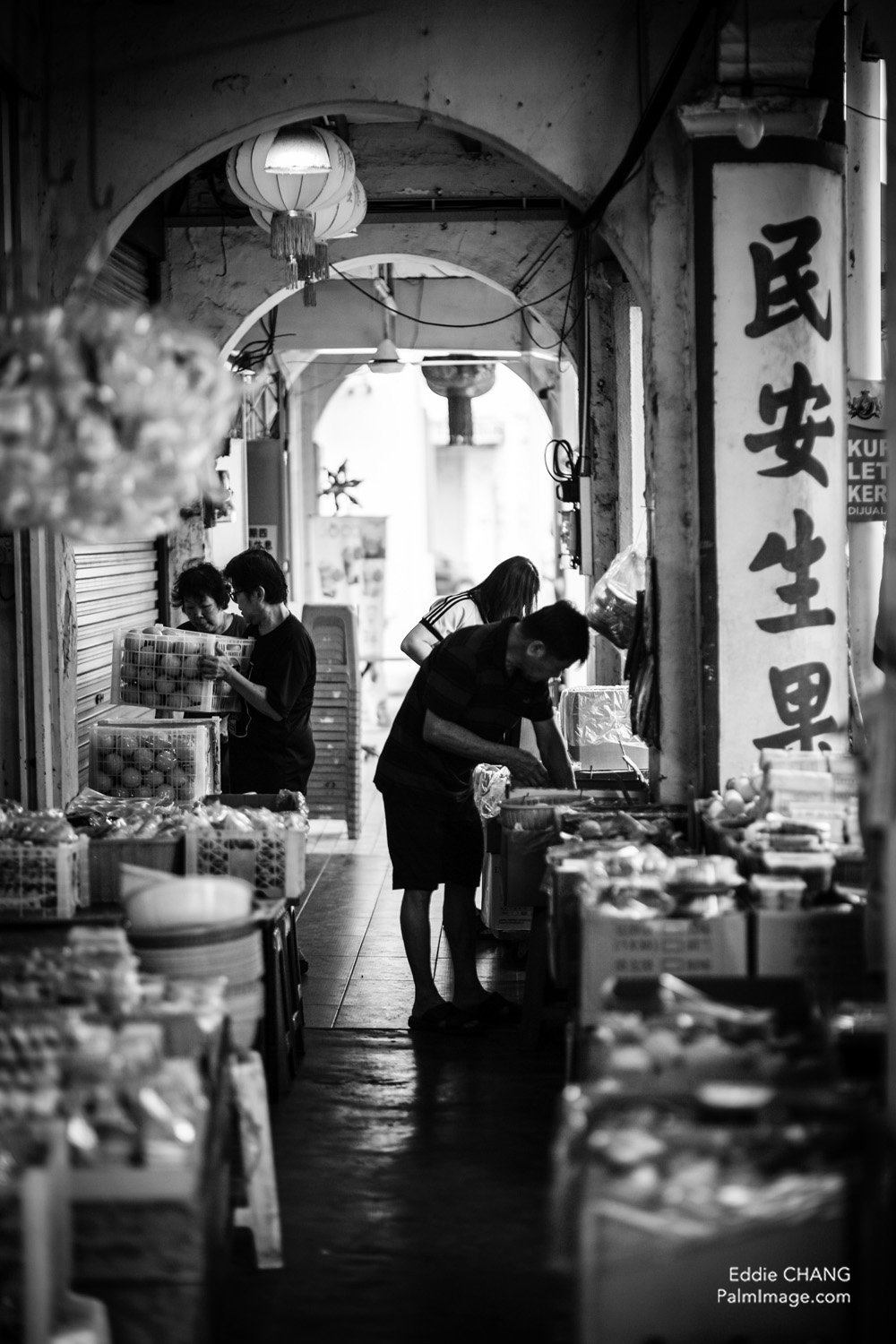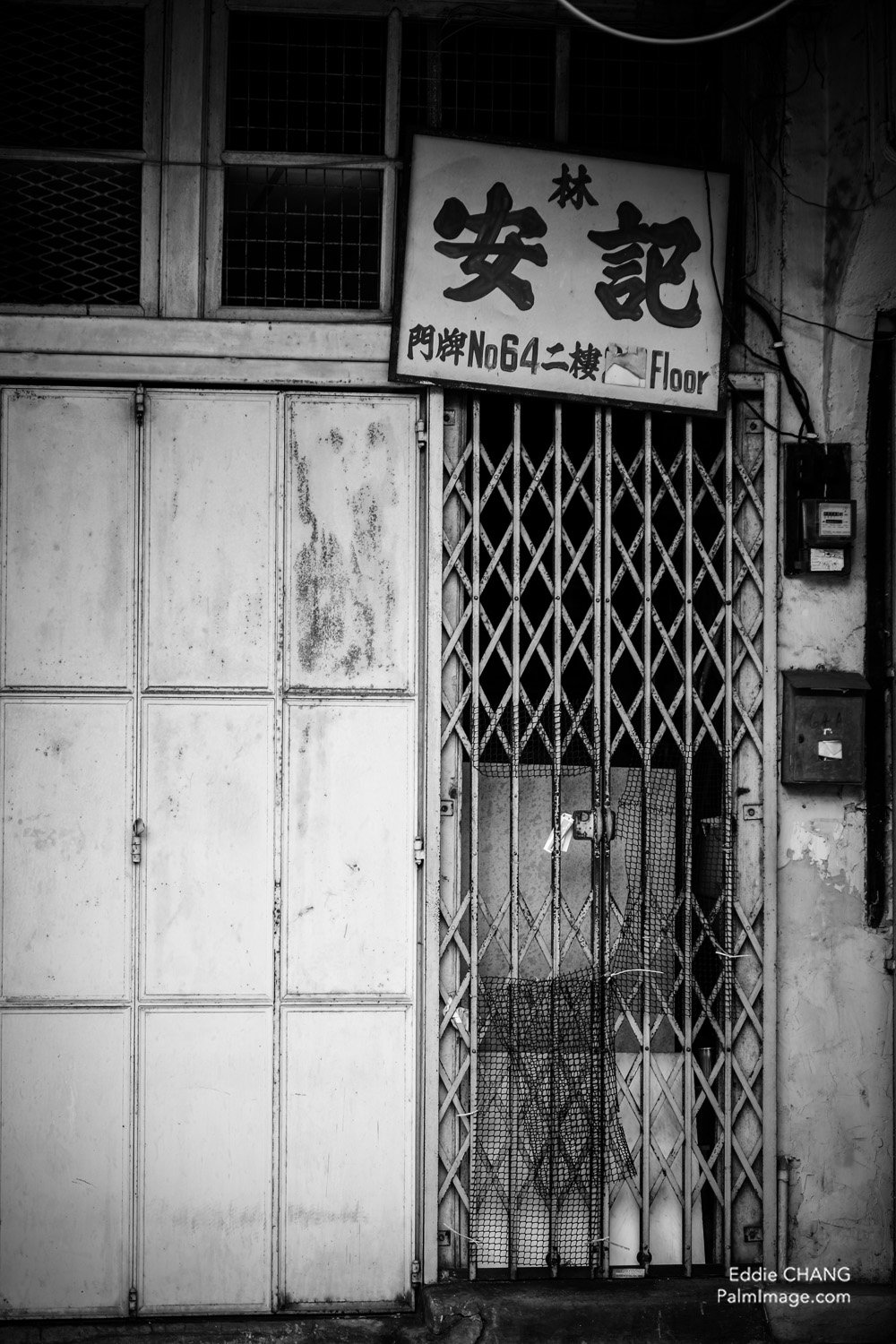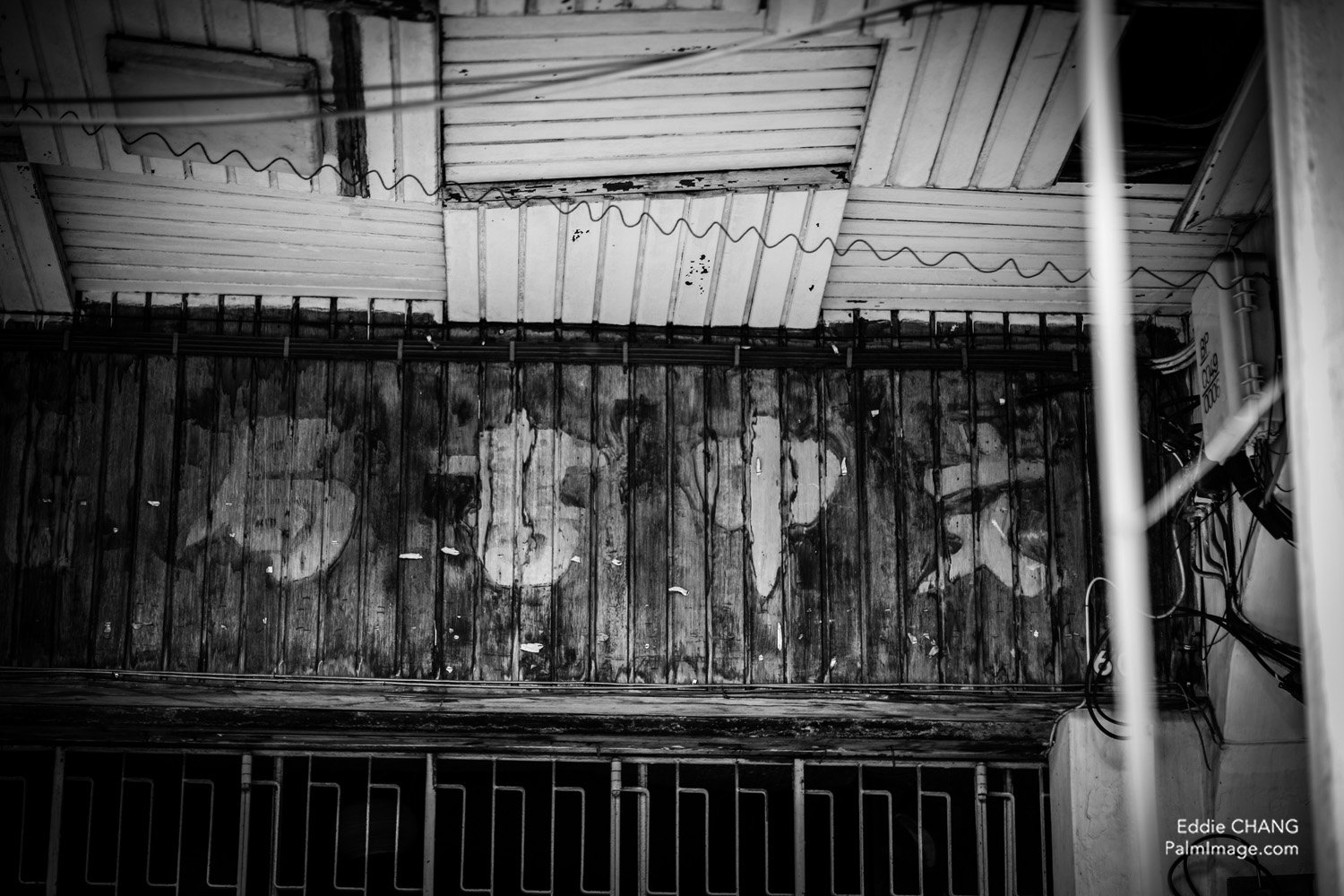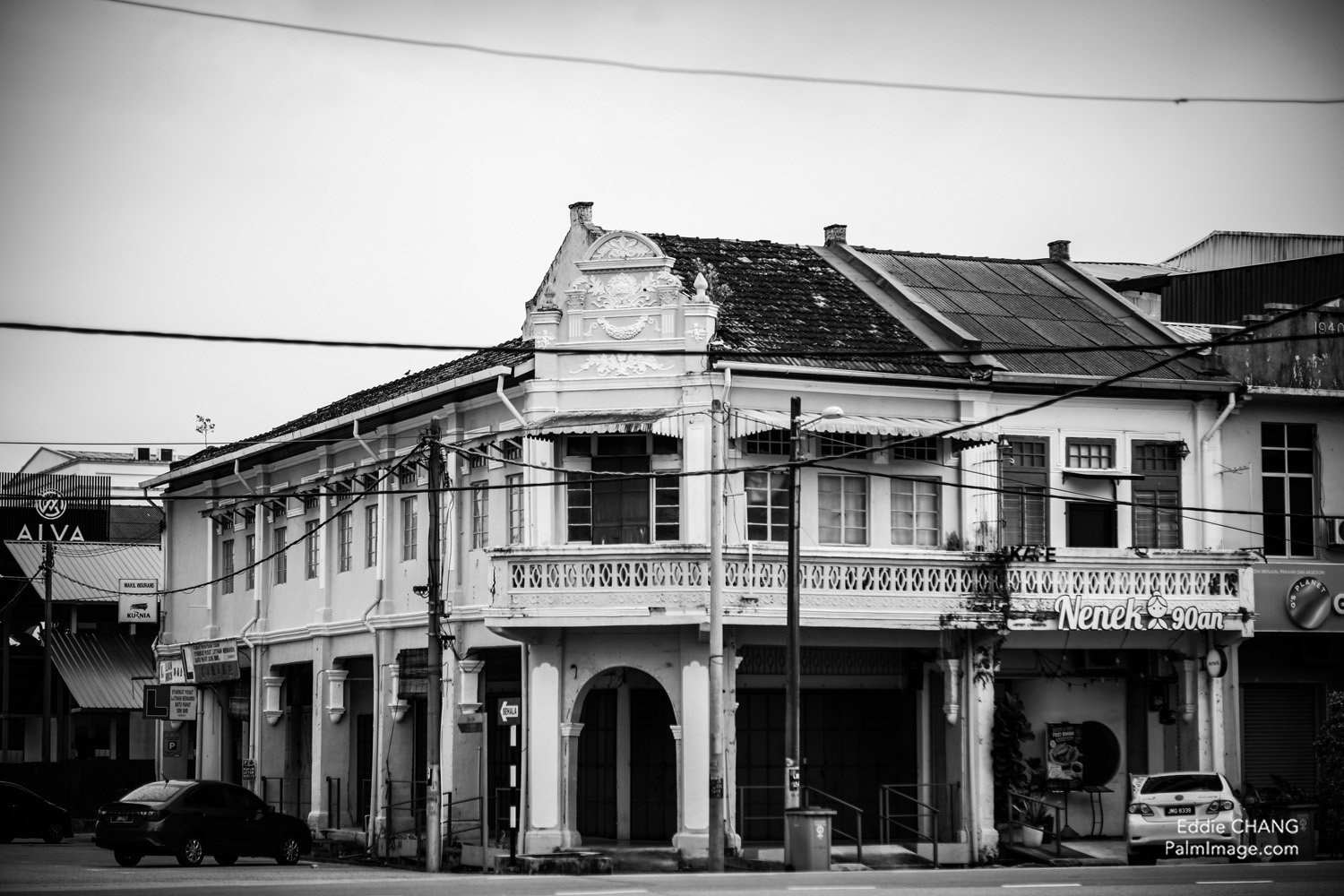
For the second time, I set out on foot through the streets of Batu Pahat with my camera, wandering from one corner to another in search of the historic structures that still stand today—pressing the shutter to preserve a visual record of this town.
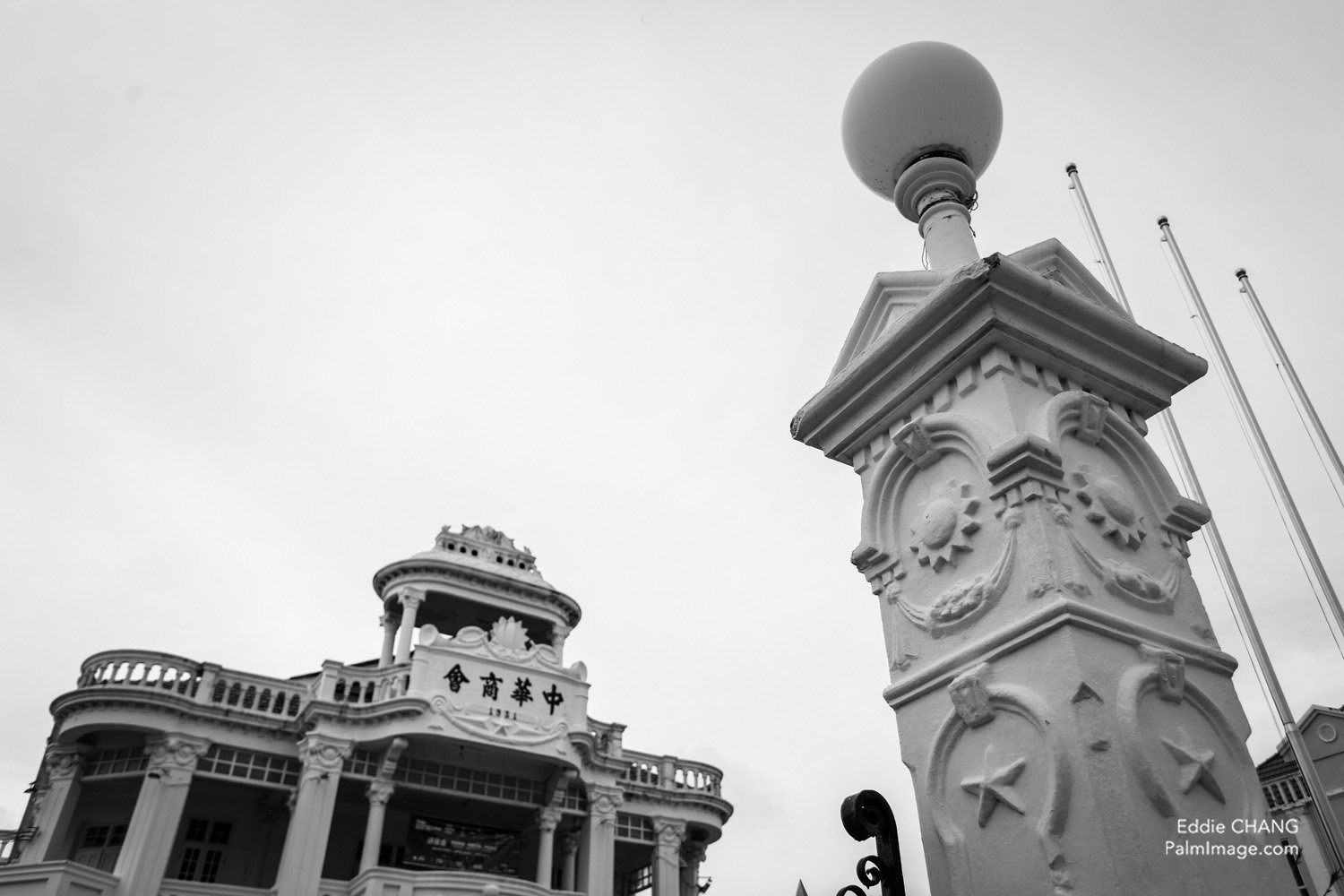
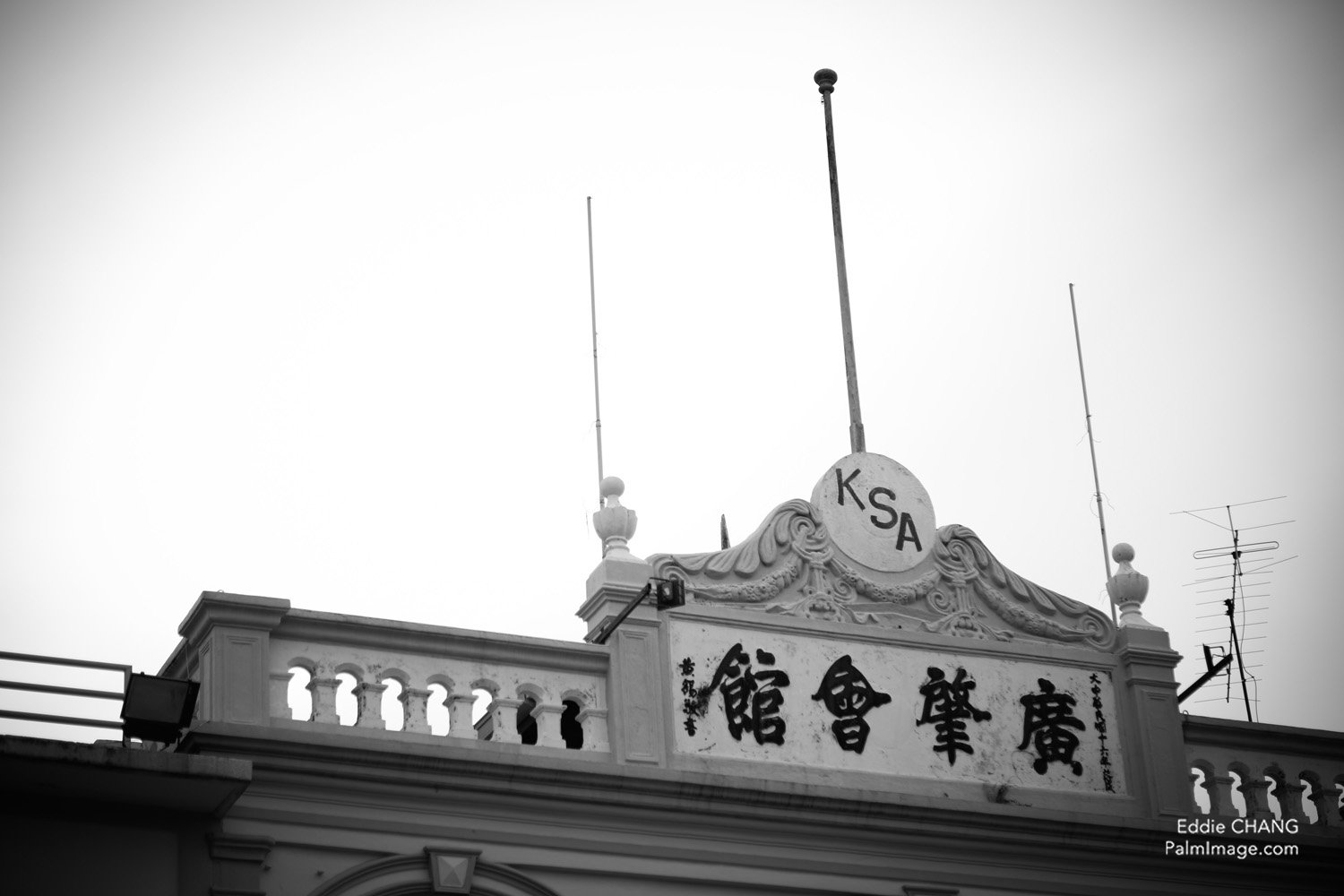
Beyond the 1920s architecture, my walk covered 1930 landmarks like the old police station and post office on Jalan Rahmat, the 1931 Chinese Chamber of Commerce (designed by Zhou Ji), and the 1935 fire station on Jalan Mohd Khalid, alongside a dedicated visit to the 1926–1927 Kwong Siew Association on Jalan Jenang.
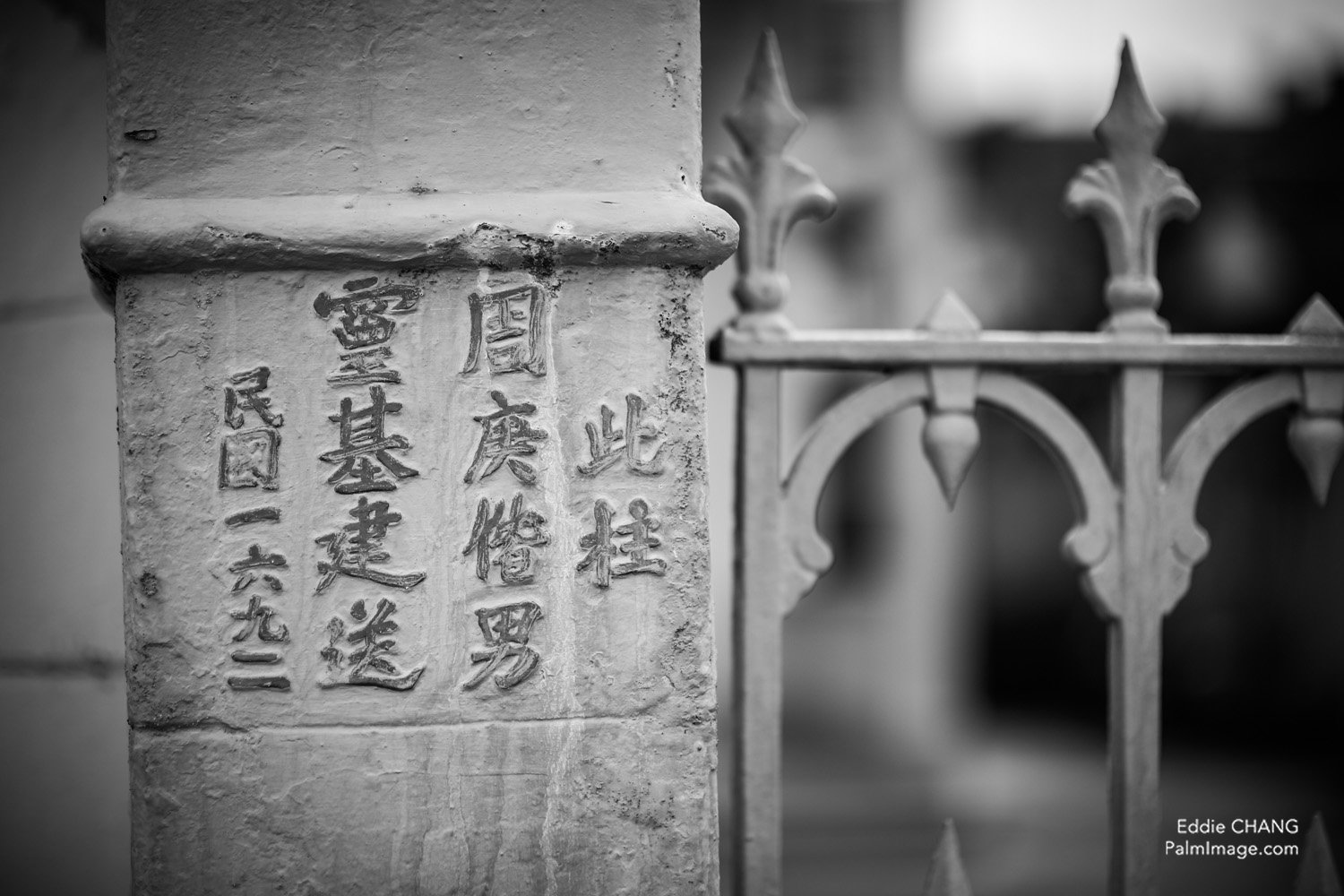
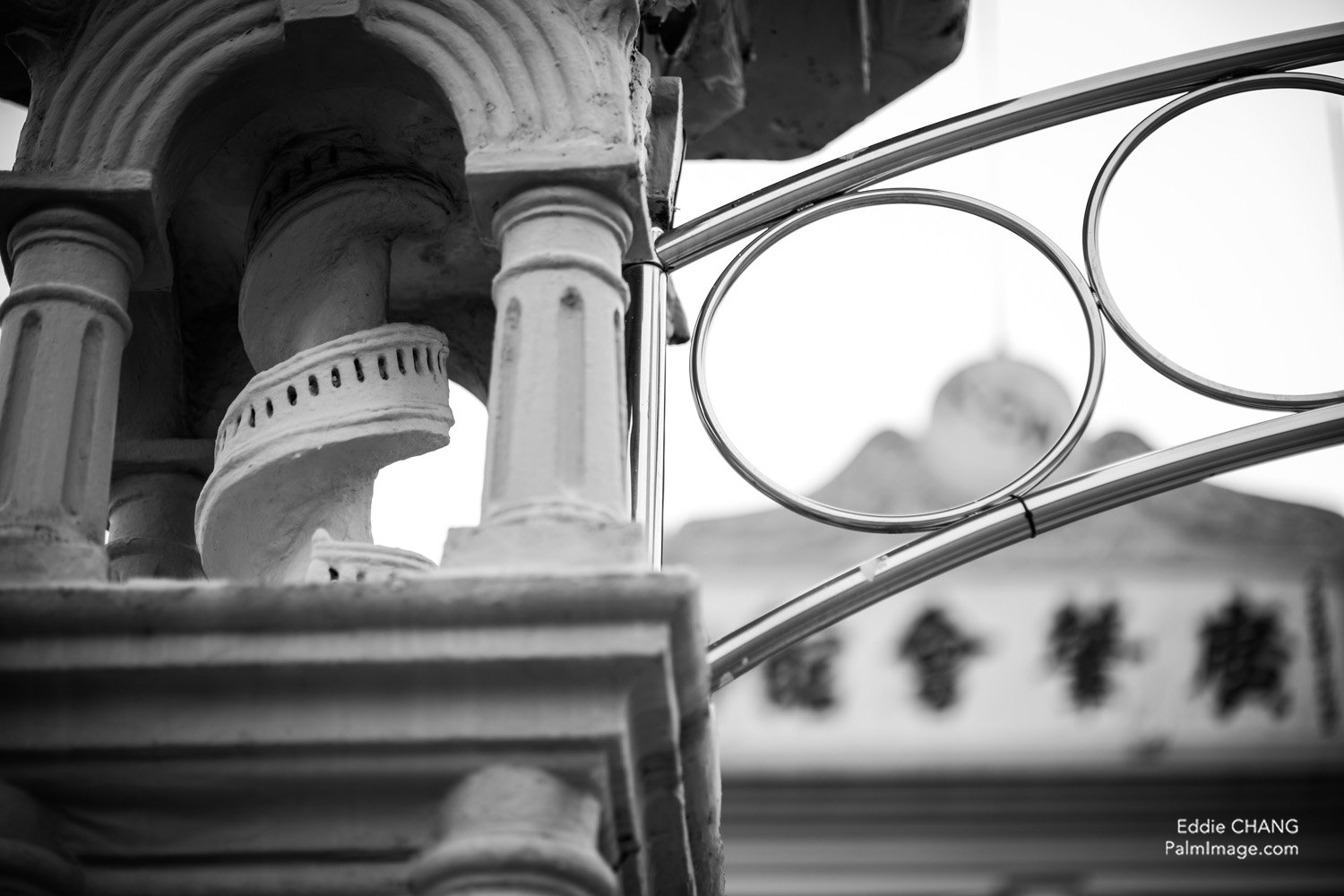
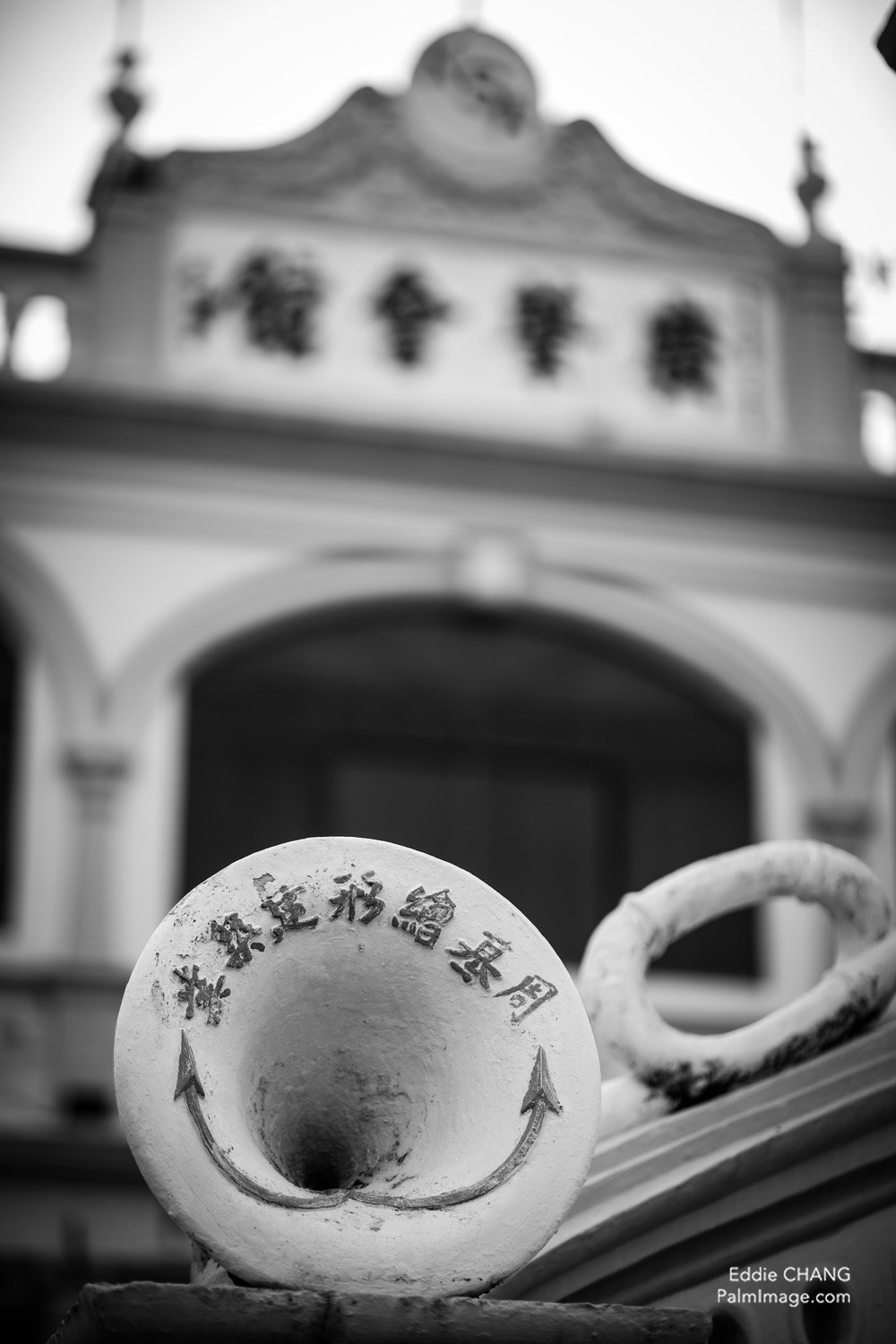
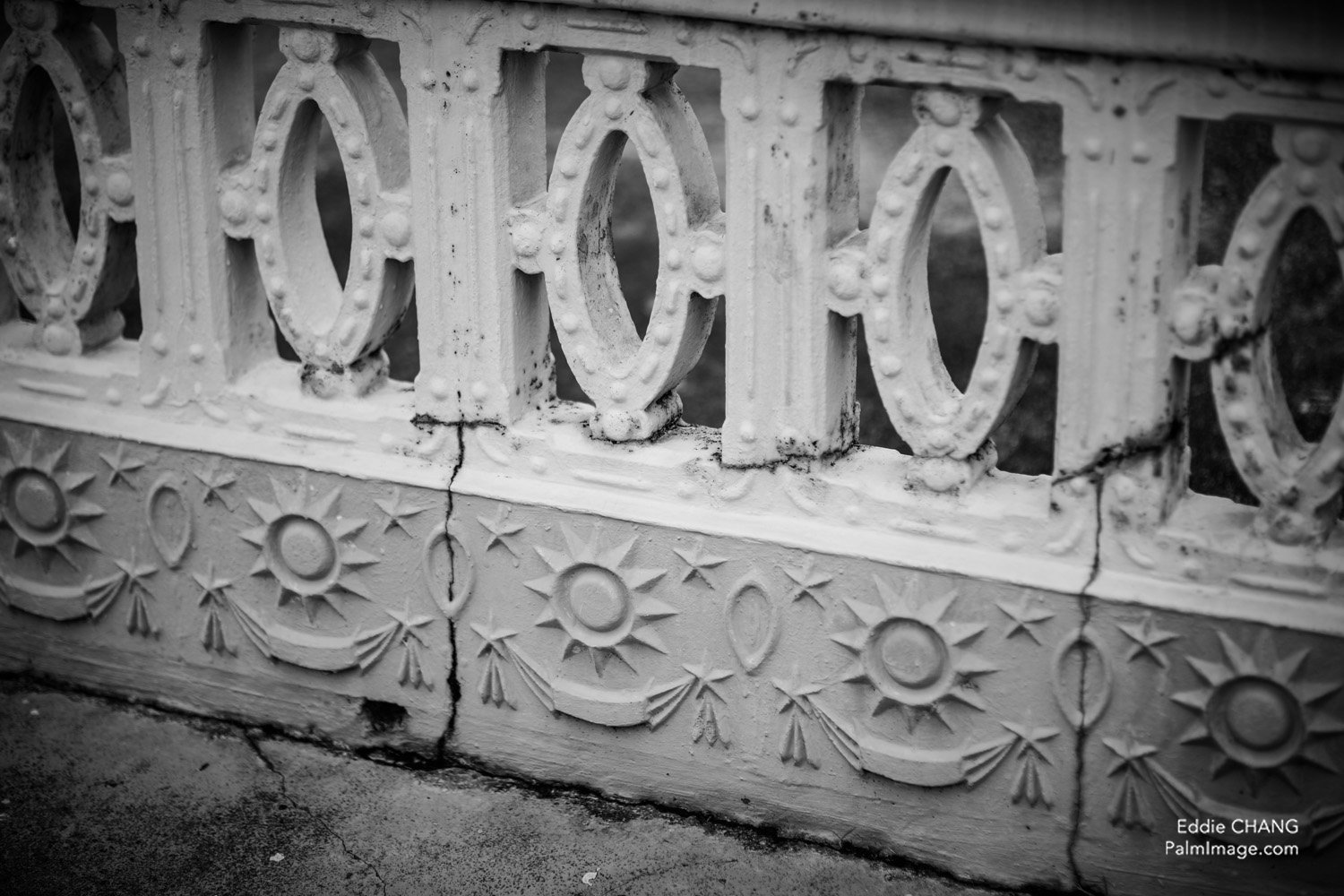
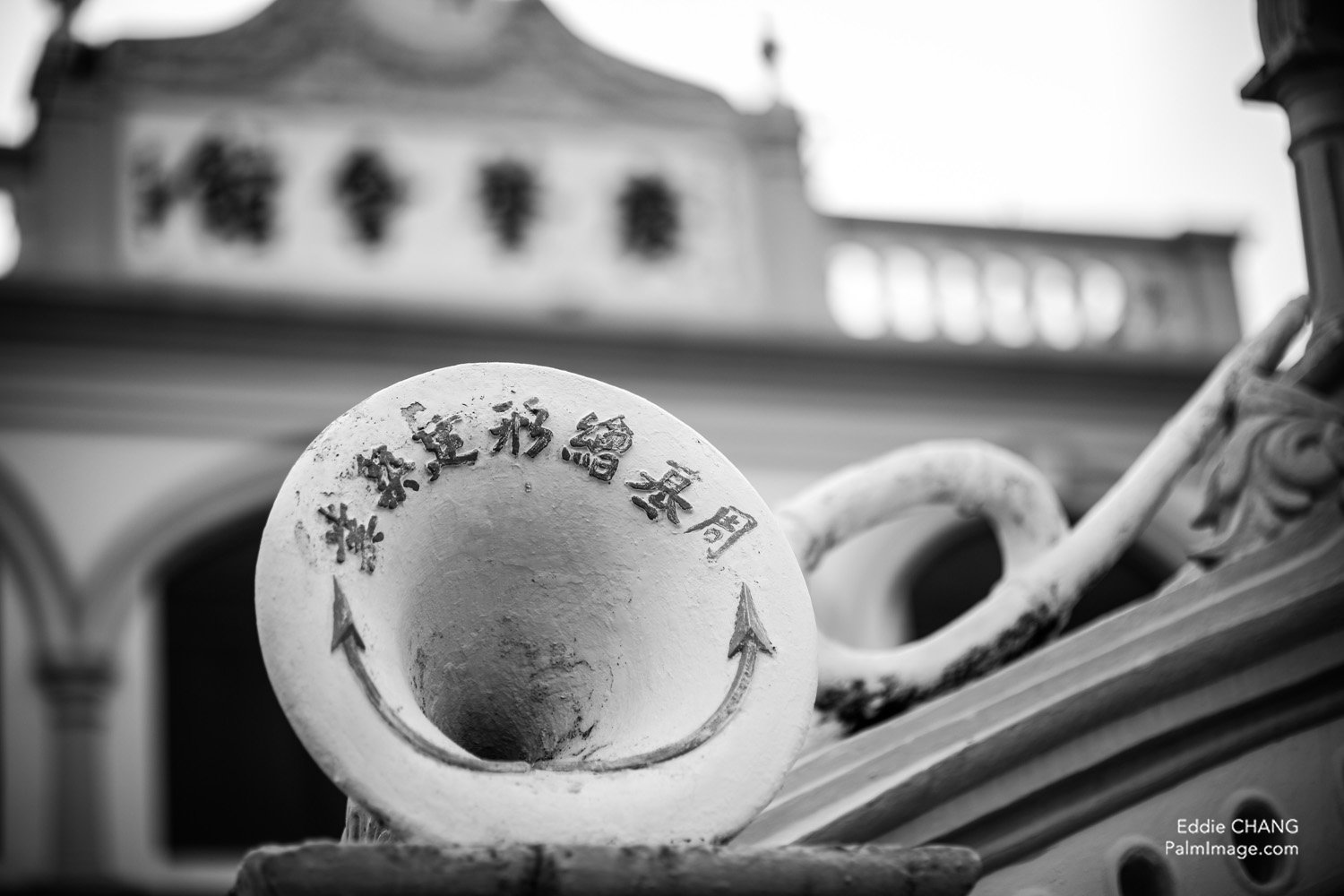
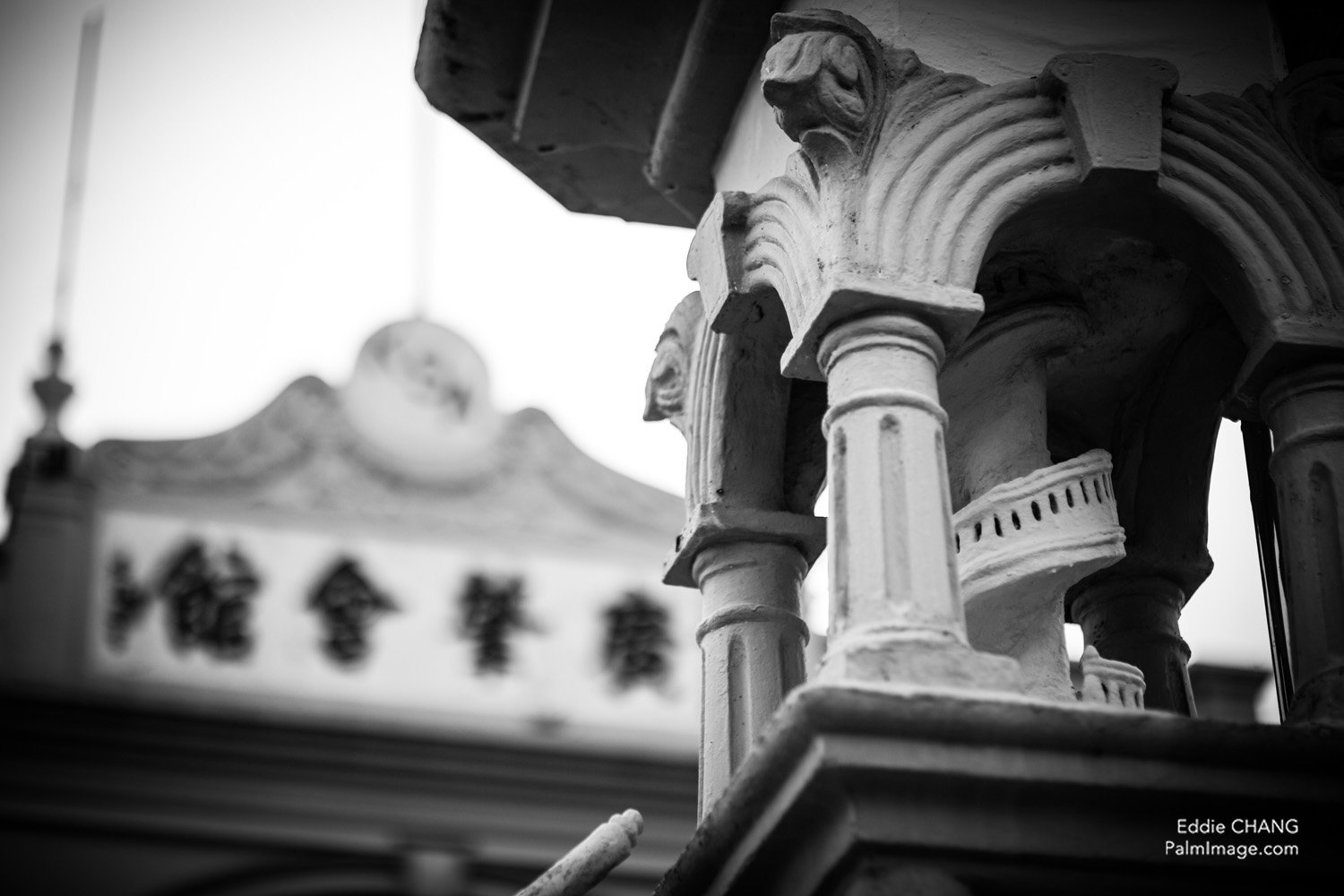
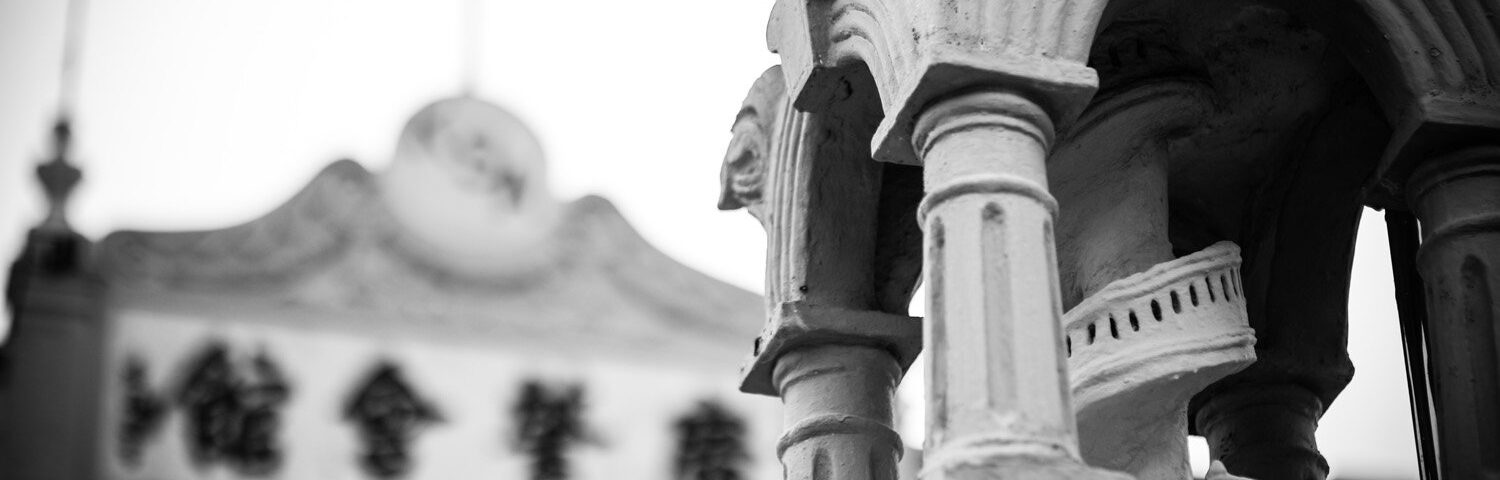
The Kwong Siew Association is rich in history. Its gate pillars feature miniature spiral staircases inside hollowed pavilions—showcasing master plasterwork and symbolizing “rising step by step” (bu bu gao sheng) in feng shui. Sculpted bugles along the wall evoke far-reaching renown, unity, and wealth, blending Baroque and Neoclassical flair with Cantonese craftsmanship. The bugle’s inner rim bears the architect’s signature, while pillar inscriptions record donors like Zhou Geng and his sons.
The Blue Sky with a White Sun on Historic Facades
As a revolutionary base supported by overseas Chinese loyal to Dr. Sun Yat-sen, Nanyang’s historical ties appear directly on building facades. Inlaid Blue Sky with a White Sun emblems on associations and chambers of commerce reflect the era’s strong allegiance to the Republic of China and support for the revolution.
Looking Back, Looking Ahead
Modern architecture may be grander, yet it often lacks the soul and historical imprint of pre-war structures. Time flows endlessly, and while change can feel like loss, it also marks the progression of an era. Preserving these historic buildings matters, though how we interpret their legacy remains a personal reflection.